Metal Retrofit vs Liquid Applied Membrane: Which is Right for Your Commercial Business?
Choosing Between Metal Retrofit and Liquid Applied Membrane Roofing
Find the Right Fit for Your Commercial Building's Needs
When it comes to protecting your commercial building, the roof is one of the most critical components. But when it’s time to upgrade or repair, the decision between a metal retrofit or a liquid applied membrane can be challenging. Both options have unique advantages, so how do you know which is the right fit for your business? Let’s break it down.
Metal Retrofit: The Durable Upgrade
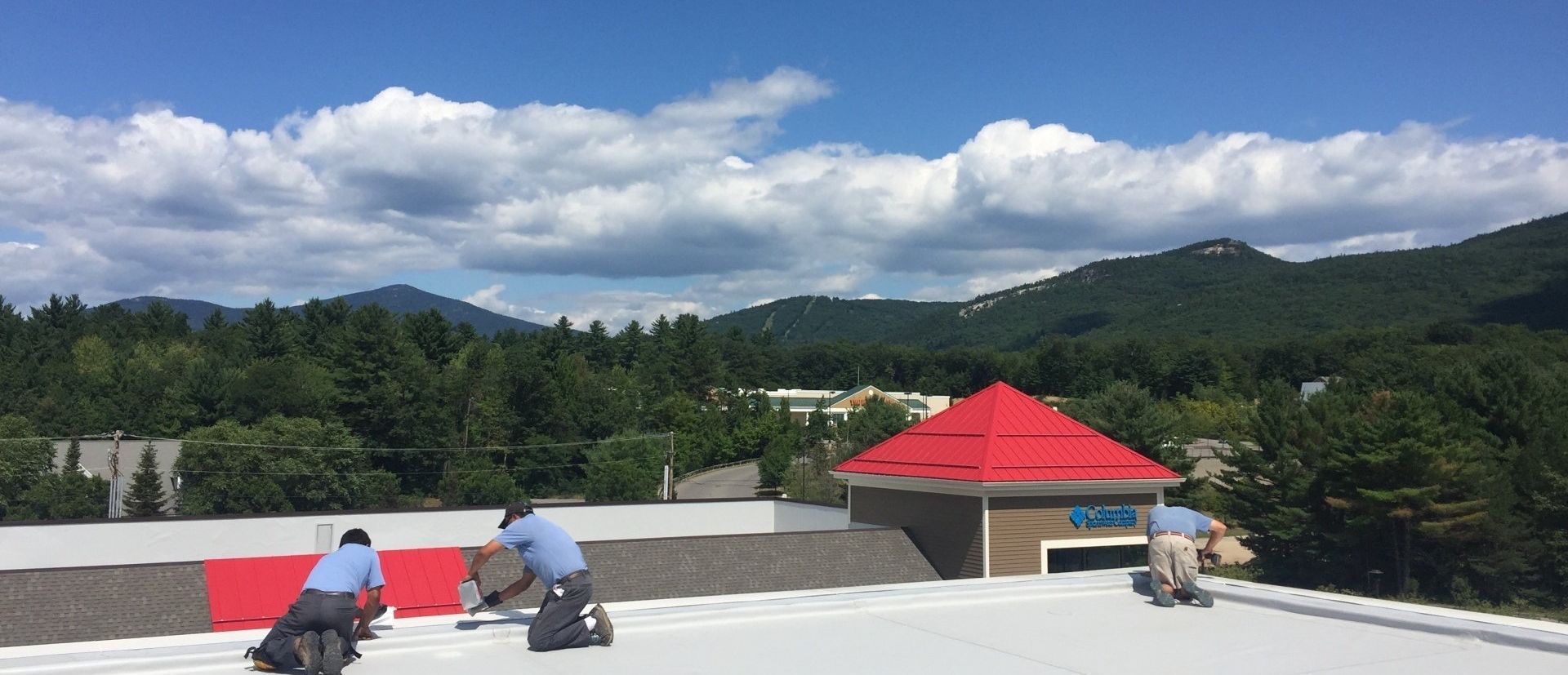
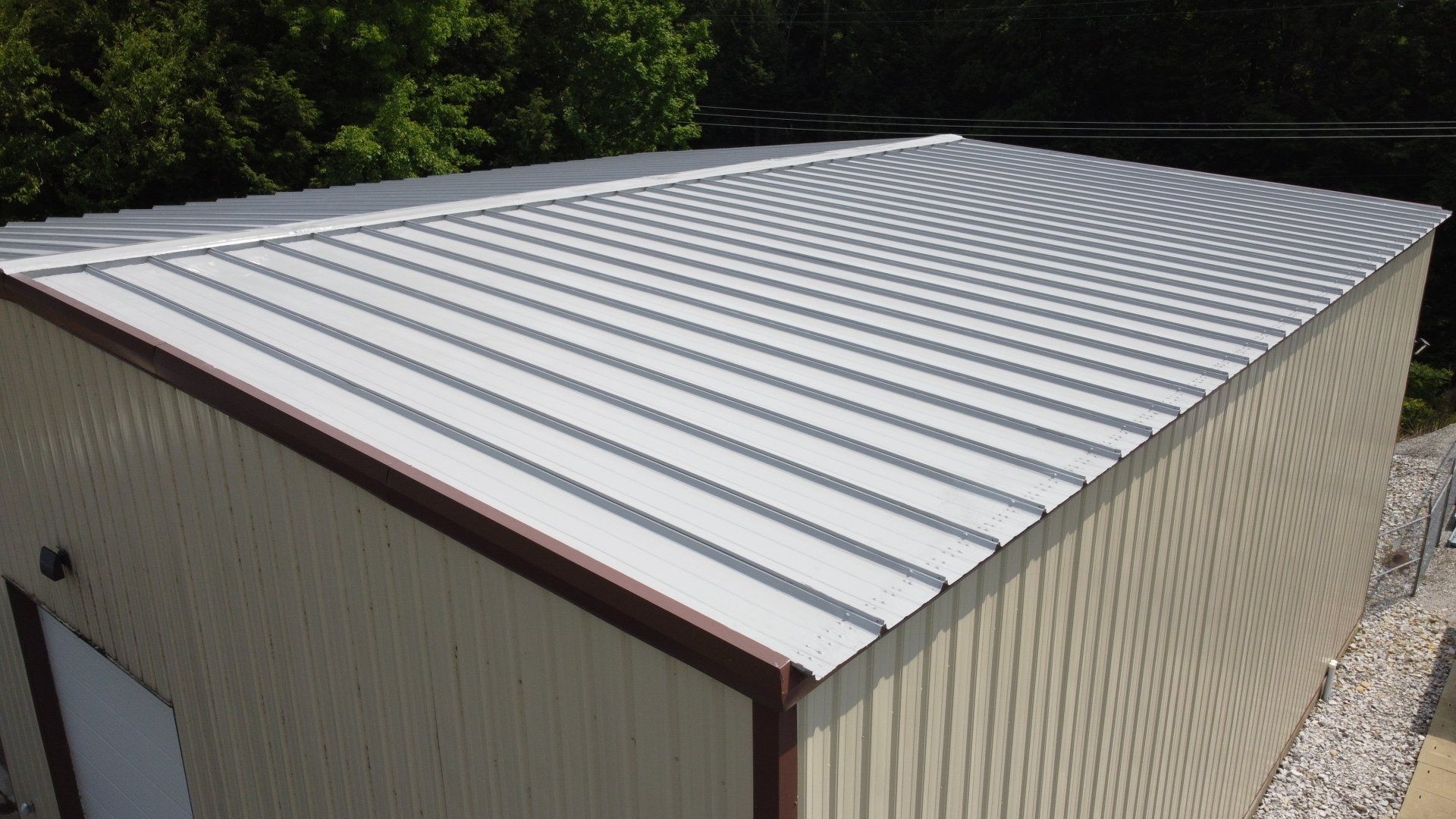
A metal retrofit involves installing a new metal roof system over your existing roof. This solution is ideal if you’re dealing with an aging roof that’s leaking, rusting, or showing wear and tear but still structurally sound. Metal roofing is known for its durability and longevity, often lasting 40 to 70 years with proper maintenance. It’s especially great for commercial buildings in harsh climates where strong winds, heavy rain, or snow are common.
One of the key benefits of a metal retrofit is the enhanced energy efficiency. Many metal roofs are coated with reflective materials, reducing heat absorption and lowering cooling costs during the summer months. Additionally, they’re fire-resistant and can boost the overall safety of your building.
The downside? Metal retrofits can be a more expensive upfront investment and take longer to install compared to other options. However, the long-term benefits in durability and energy savings can make it well worth the cost for many businesses.
Liquid-Applied Membrane: Flexibility & Cost-Effectiveness
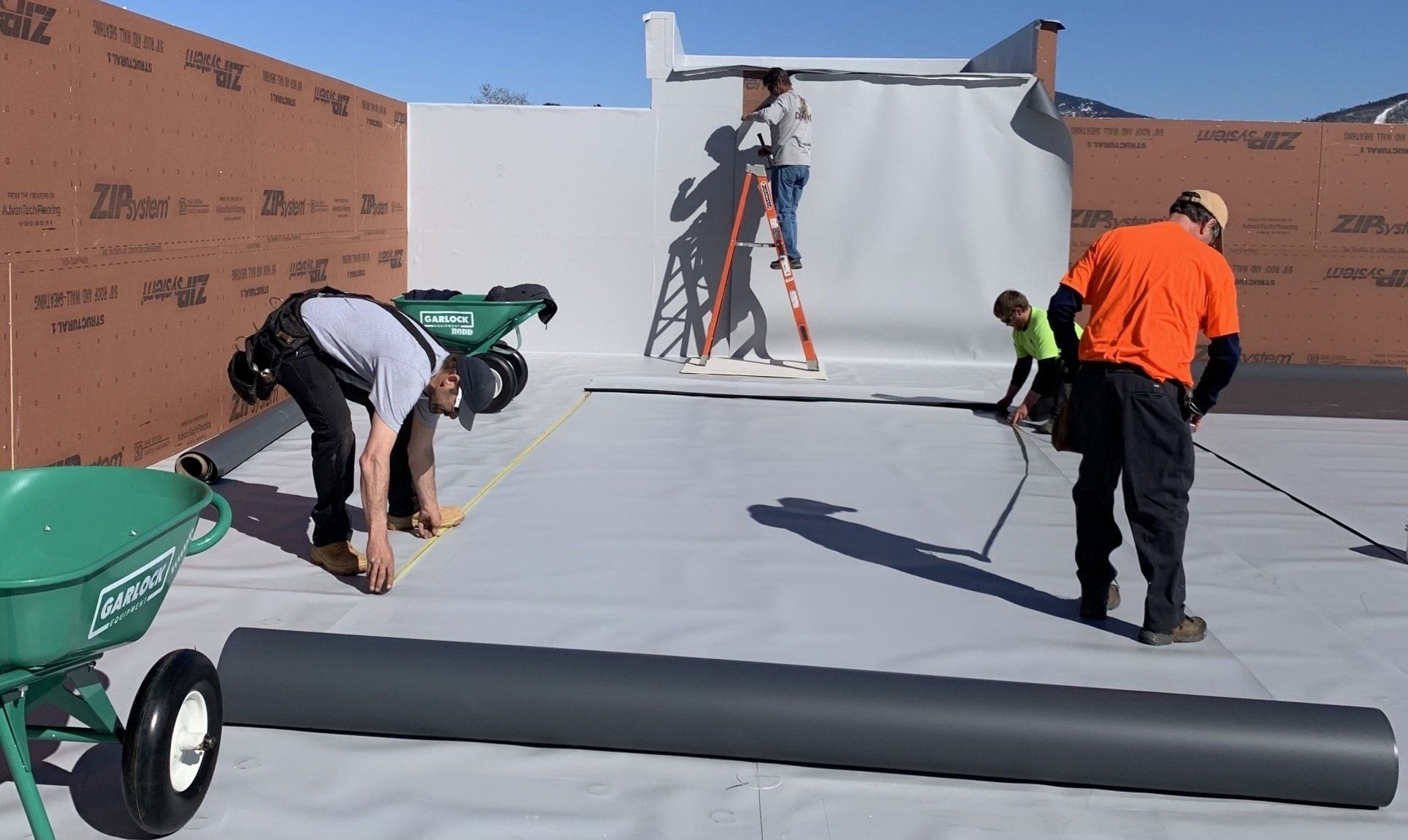
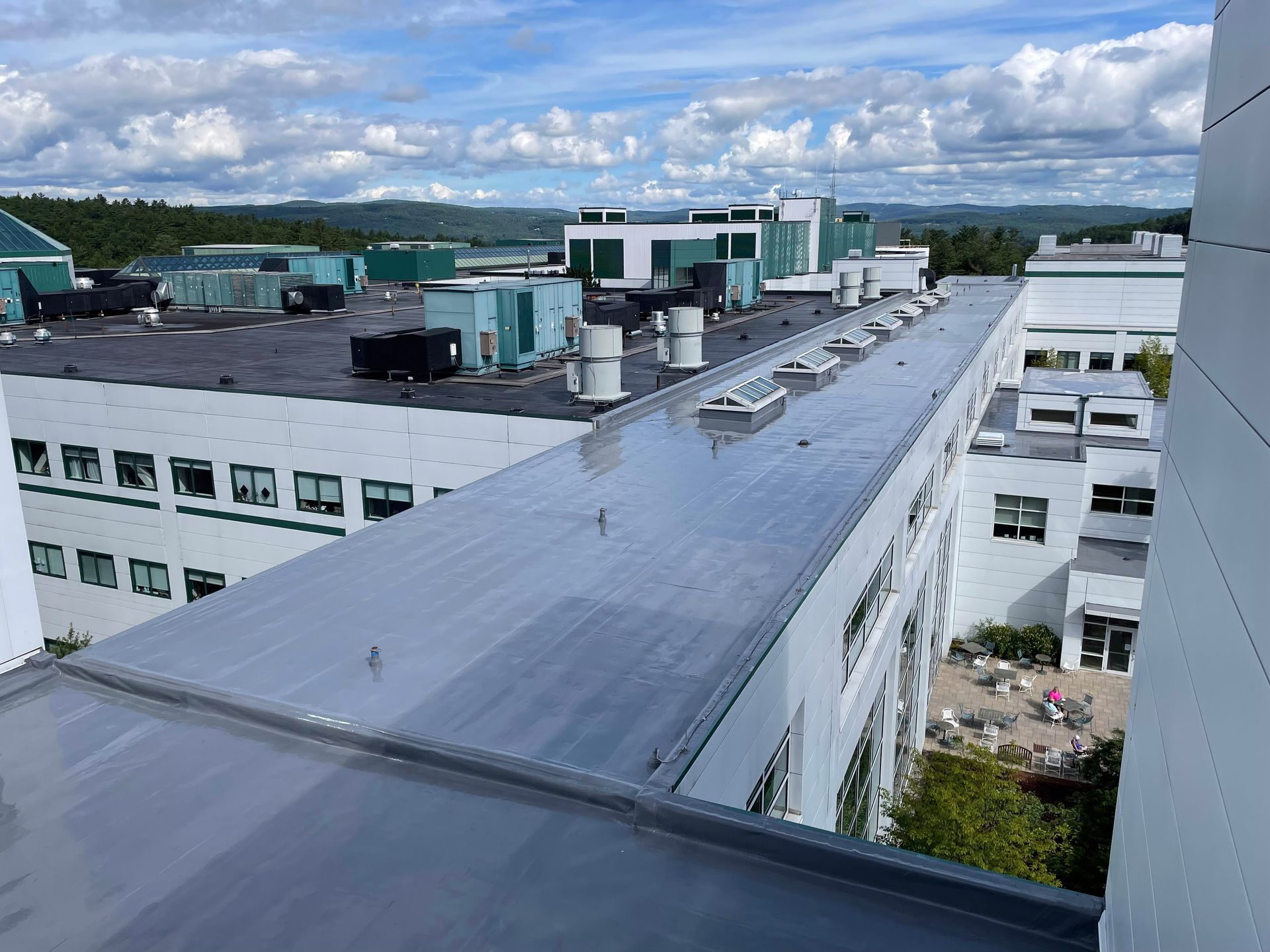
A liquid applied membrane is a versatile and cost-effective solution that involves applying a waterproof coating directly over your existing roof. This option is ideal for buildings with flat or low-sloped roofs and is designed to extend the life of your current roof without the need for a complete overhaul.
One major advantage of liquid membranes is their seamless application, which eliminates common points of leakage. They’re highly flexible and can easily adapt to the unique shape of your roof, creating a waterproof barrier that prevents water infiltration. Plus, liquid applied membranes are quick to install, meaning less downtime for your business.
However, liquid membranes may not be as long-lasting as metal roofing and may require more frequent maintenance. They are typically expected to last 10-20 years, depending on the material used and the environmental conditions.
Which is right for you?
Ultimately, the decision comes down to your building’s needs, budget, and long-term goals. If you’re looking for a durable, energy-efficient option with long-term benefits, a metal retrofit might be the way to go. If you need a cost-effective, fast solution with minimal disruption, a liquid applied membrane could be your best bet.
Still unsure? It’s always a good idea to consult with a professional roofing contractor who can assess your building’s specific needs and guide you toward the best solution for your commercial property.