Cost-effective Roofing Systems for Commercial Buildings

Smart Roofing Investments for Commercial Buildings:
Balancing Cost and Durability
When managing a commercial building, one of the biggest considerations is finding a roofing system that’s not only durable but also cost-effective. A reliable roof protects your investment, but you don't have to break the bank to get a solid solution. Let’s explore some of the most cost-effective roofing systems for commercial buildings, each offering unique benefits in terms of price, longevity, and performance.
TPO Roofing: Affordable & Energy-Efficient
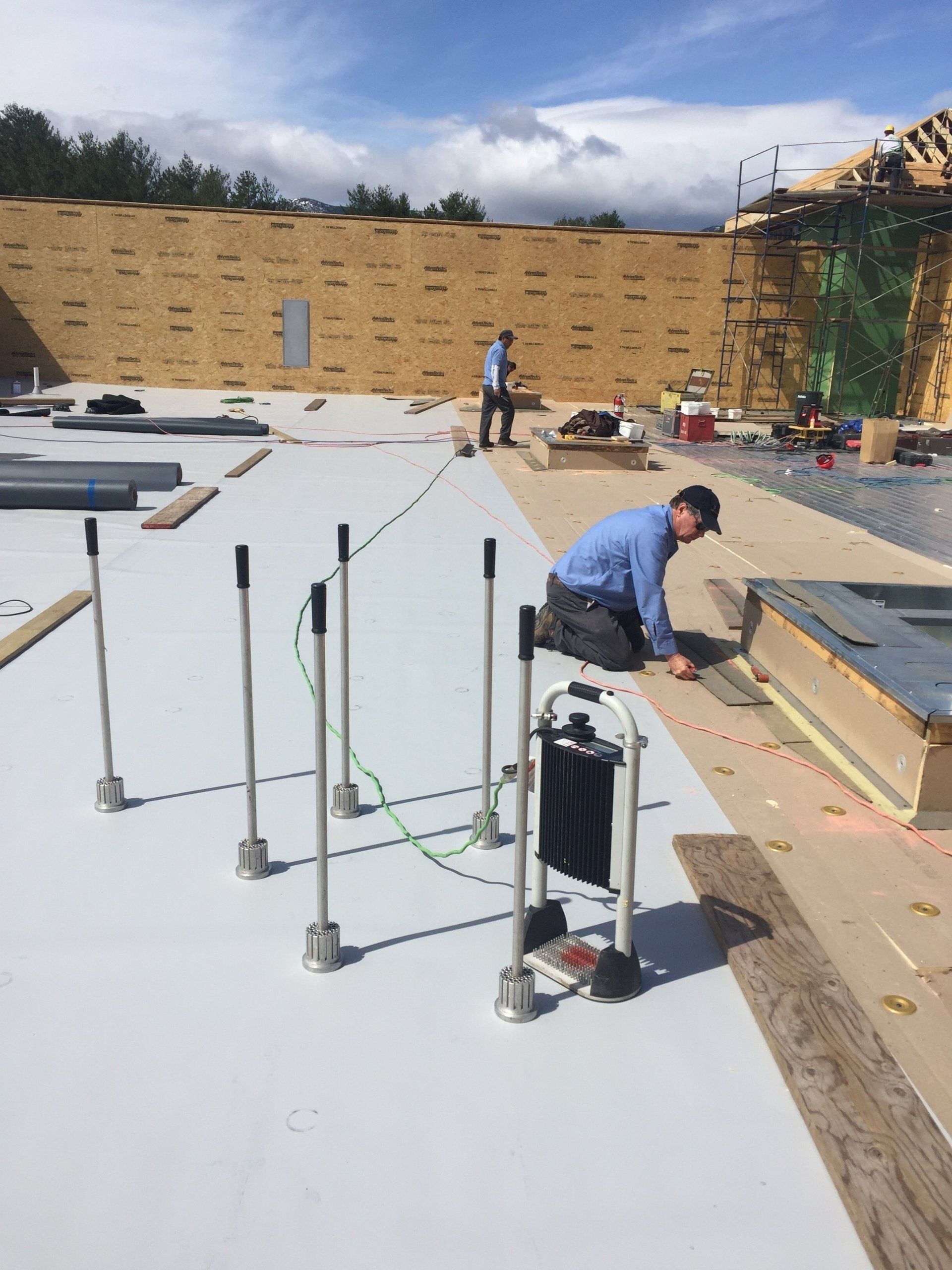
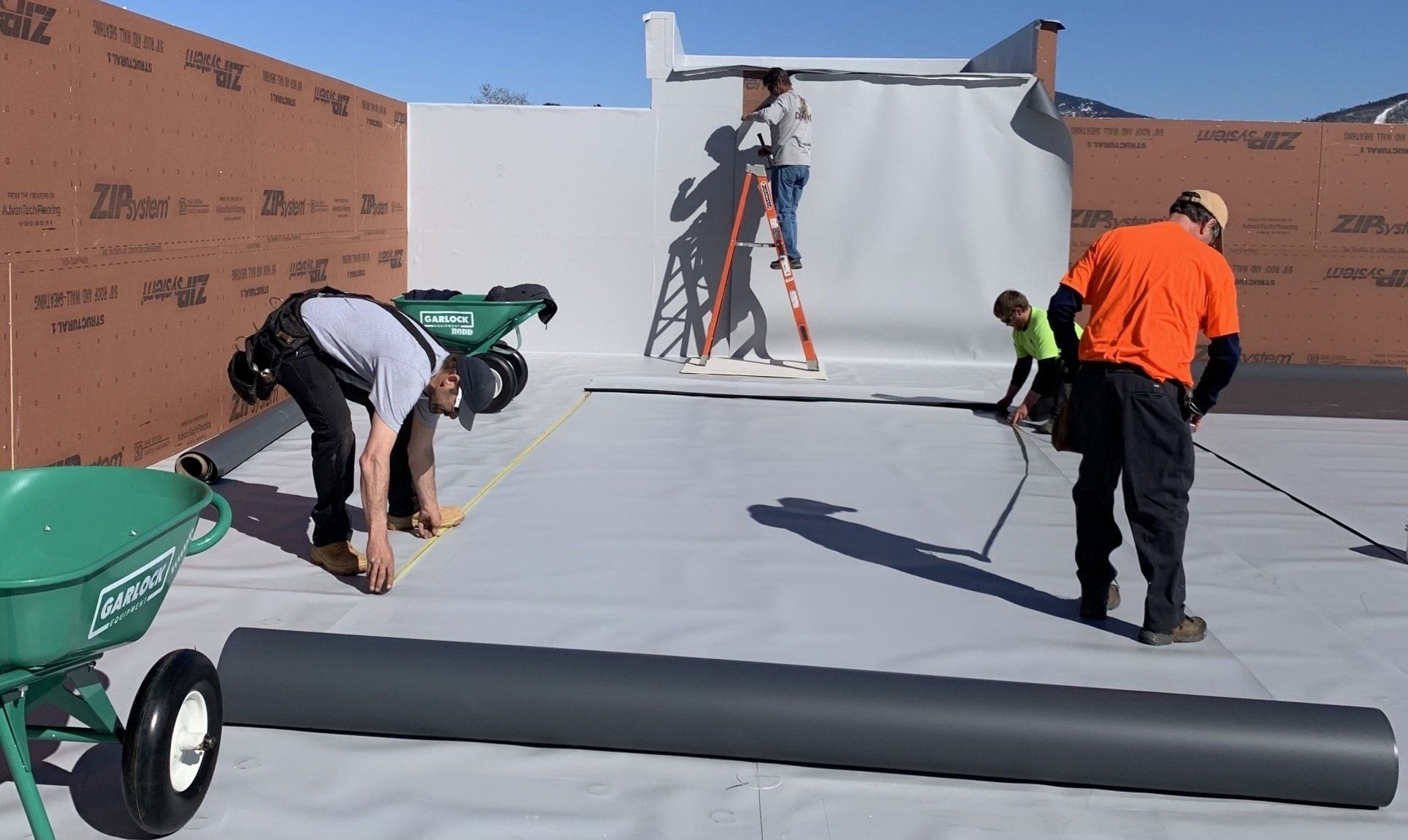
Thermoplastic Polyolefin (TPO) roofing is a top choice for businesses looking for both affordability and energy efficiency. TPO is a single-ply membrane that’s highly reflective, meaning it helps keep your building cool by reflecting the sun’s UV rays. This can result in significant savings on energy bills, especially during hot summer months.
In addition to energy savings, TPO is relatively inexpensive to install compared to other systems, and it’s highly durable, lasting anywhere from 15 to 30 years with proper maintenance. TPO is also resistant to mold, dirt, and punctures, making it a practical choice for many commercial properties.
EPDM Roofing: Tried & True
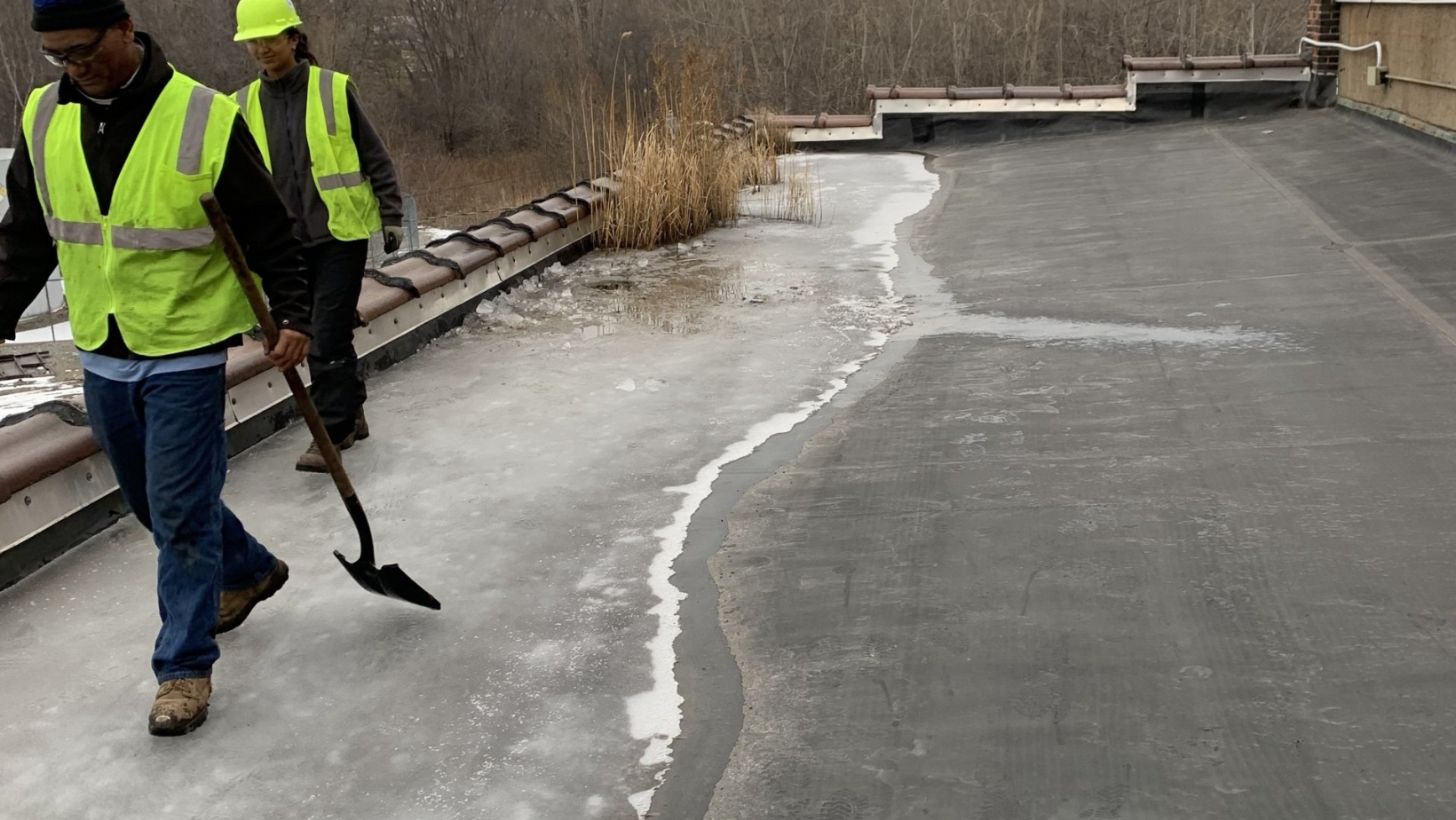
Ethylene Propylene Diene Monomer (EPDM) roofing is one of the most widely used systems for commercial buildings due to its longevity and cost-effectiveness. Known as "rubber roofing," EPDM is highly resistant to weathering and offers excellent protection against UV damage, hail, and extreme temperatures.
EPDM is an affordable option for flat or low-sloped roofs and can last upwards of 30 years when installed and maintained correctly. While it might not offer the same energy-saving benefits as TPO, it's a low-cost, durable solution that has been trusted for decades.
Metal Roofing: Long-Term Investment
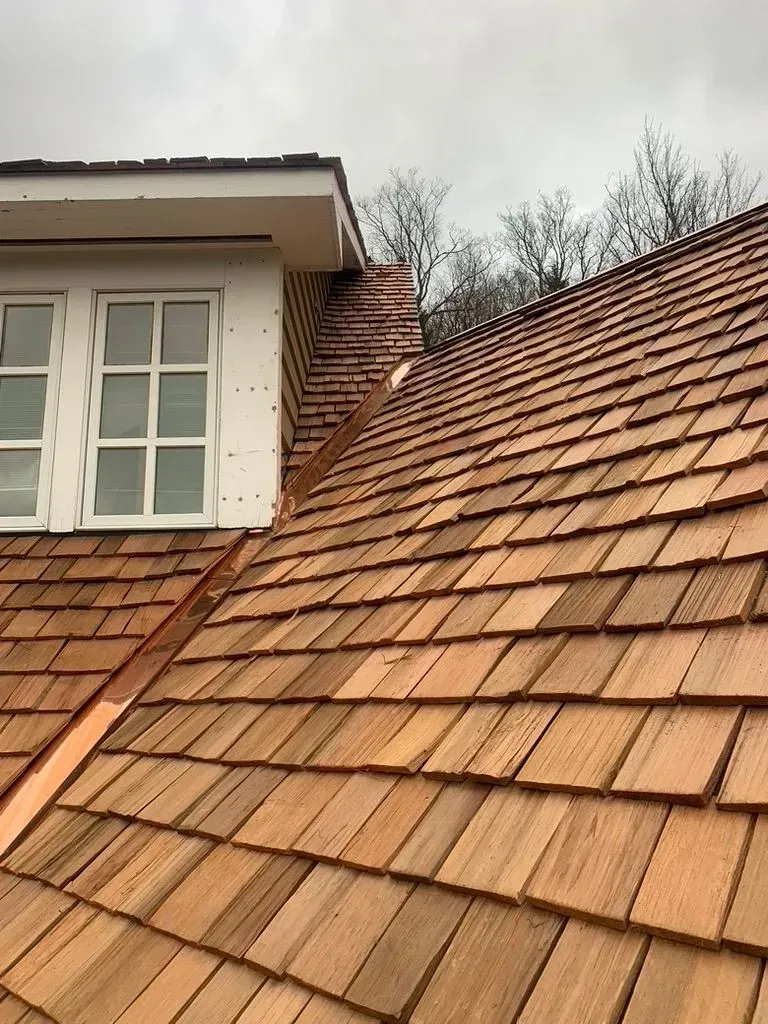
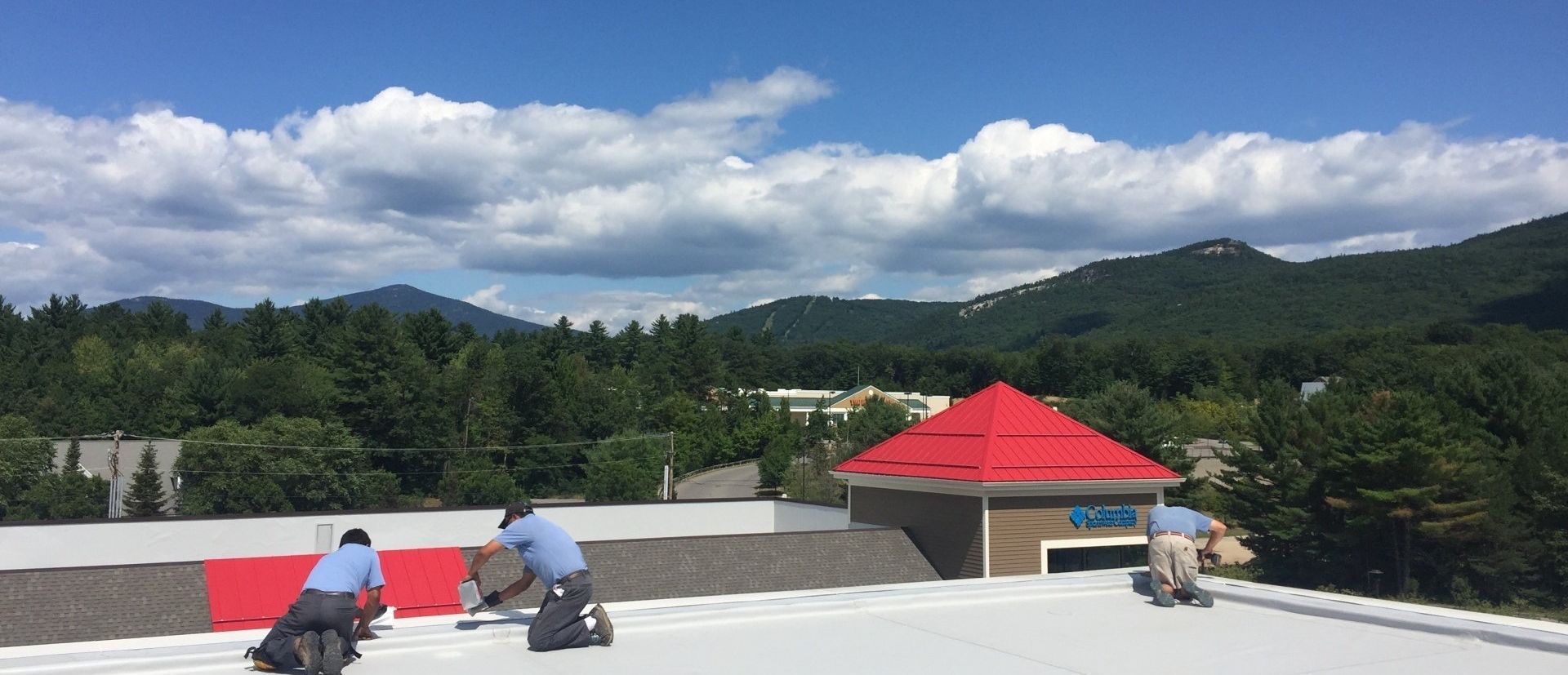
Though metal roofing systems often come with a higher upfront cost, they’re one of the most cost-effective options in the long run. Metal roofs are known for their durability, often lasting 40 to 70 years, which means fewer repairs and replacements over time. Metal is also highly reflective, offering energy-saving benefits similar to TPO roofing, and is resistant to fire, pests, and extreme weather conditions.
While the initial investment may be steeper, the longevity and durability of a metal roof can provide long-term savings on repairs, replacements, and energy bills.
When choosing a roofing system, consider the specific needs of your building, your budget, and your long-term goals. Whether you opt for the affordability of TPO and EPDM or the durability of metal roofing, it’s essential to work with a trusted contractor who can help you make the best choice for your business.