5 Warning Signs Your Roof Needs Repairs—Before It’s Too Late!
Don’t Ignore These 5 Roof Red Flags:
Protect Your Building Before It Leaks
Your roof is one of the most important parts of your building, but it’s easy to forget about it until something goes wrong. The good news? Your roof usually gives you some warning signs before a small issue turns into an expensive problem. Catching these red flags early can save you money and stress. Here are five signs your roof might need repairs—before it’s too late.
Missing or Damaged Shingles
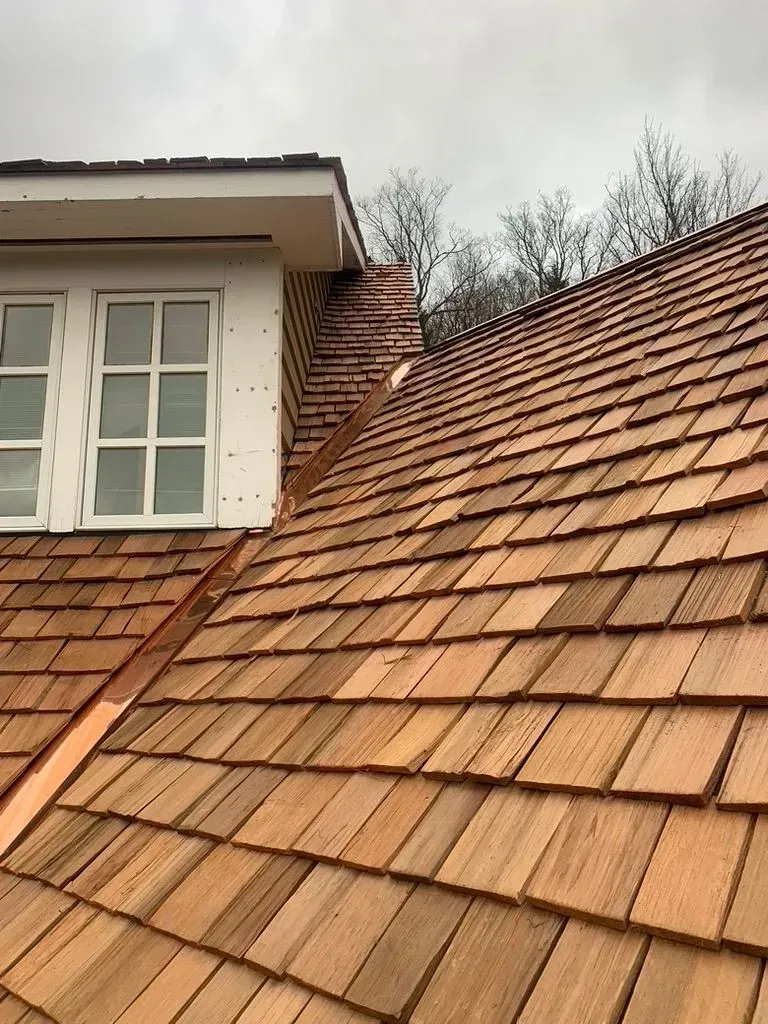
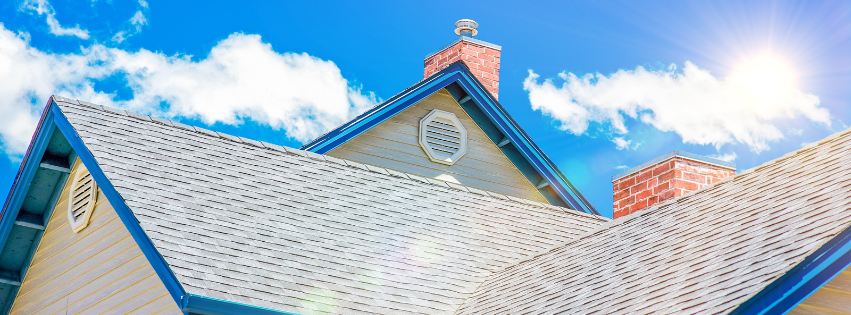
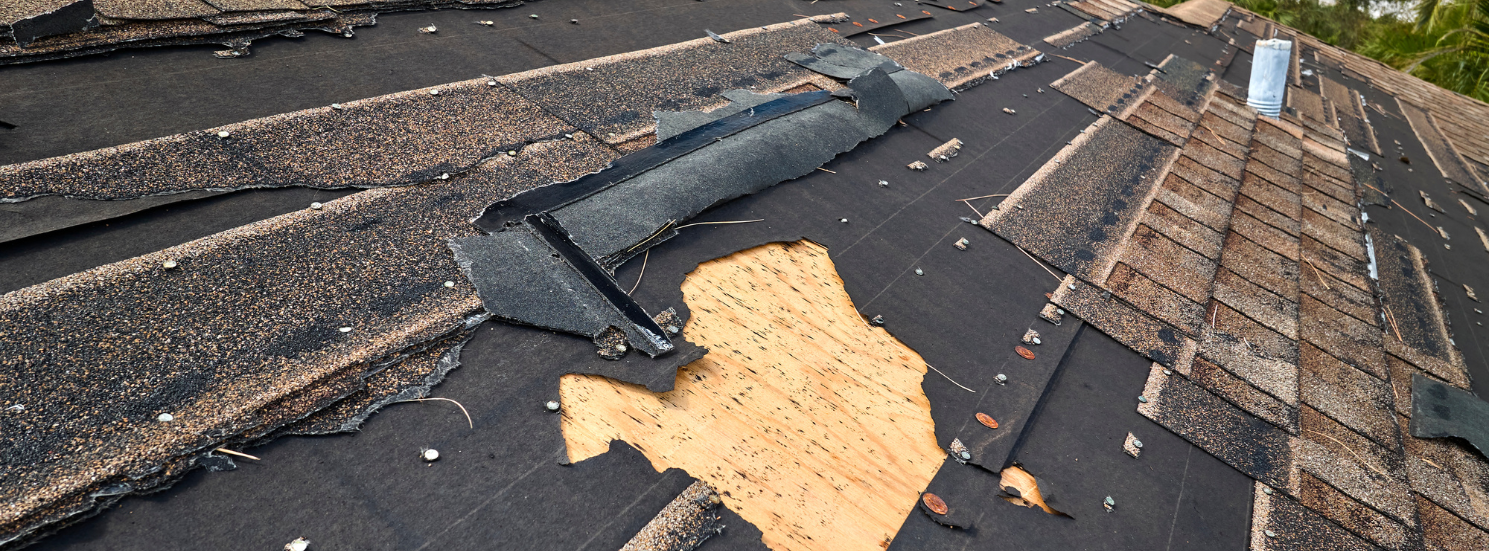
Ever noticed shingles in your yard after a storm? Or maybe a quick glance at your roof shows some curled, cracked, or missing shingles? That’s your roof’s way of waving a red flag. Shingles protect your building from the elements, and when they’re damaged or missing, water can seep in and cause serious issues.
It’s worth checking your roof after heavy winds or storms. If you spot damage, don’t wait. Replacing a few shingles now can prevent a costly leak later.
Leaks & Water Stains Inside
Water stains on your ceiling or walls are more than just an eyesore—they’re a clear sign something’s wrong. Even a small leak can lead to mold growth, insulation damage, and structural issues if left unchecked.
If you notice discoloration, peeling paint, or damp spots, it’s time to call a roofer. They can inspect your roof for the source of the leak and recommend repairs before the damage spreads.
Sagging Roofline
Your roof should look straight and sturdy. If you notice any sagging or dipping areas, that’s a sign of structural trouble. This could mean the roof decking is weakened by moisture or the roof’s support system is failing.
A sagging roof isn’t just about aesthetics—it’s a serious safety concern. If you notice any unevenness, schedule an inspection right away to avoid a potential collapse.
Granules in the Gutters
When asphalt shingles start to wear out, they shed tiny granules that often end up in your gutters. While a few granules after a new roof installation are normal, excessive granule loss means your shingles are nearing the end of their lifespan.
Check your gutters periodically. If you’re seeing what looks like coarse black sand, it’s time to think about roof repairs or even a replacement.
Moss, Algae, or Mold Growth
While moss-covered roofs might look charming in a storybook kind of way, they’re not doing your building any favors. Moss and algae trap moisture, which can lead to shingle damage and rot.
If you notice green or black streaks on your roof, it’s worth having a professional take a look. In many cases, a thorough cleaning and minor repairs can restore your roof’s health.
Don't Wait Until an Emergency!
Your roof works hard to protect your building, but it needs a little attention in return. Catching these warning signs early can prevent major headaches—and major expenses—down the road.
If you’ve noticed any of these issues, don’t wait. Schedule a roof inspection today, and we’ll help you keep your building safe, dry, and protected.