Thinking of Replacing Your Roof? Here’s What You Need to Know Before You Start.
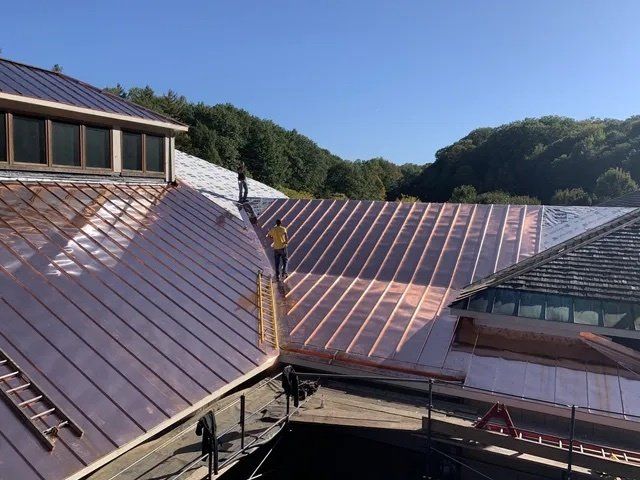
Roof Replacement 101:
What Every Homeowner Should Know
Replacing your roof is a big investment, and it’s not something most people do more than once or twice in their lifetime. Whether you’re dealing with an aging roof, storm damage, or just looking to upgrade, it's worth knowing what to expect before you dive into the project. Here’s a guide to help you feel more prepared and empowered:
Know When It’s Time for a New Roof
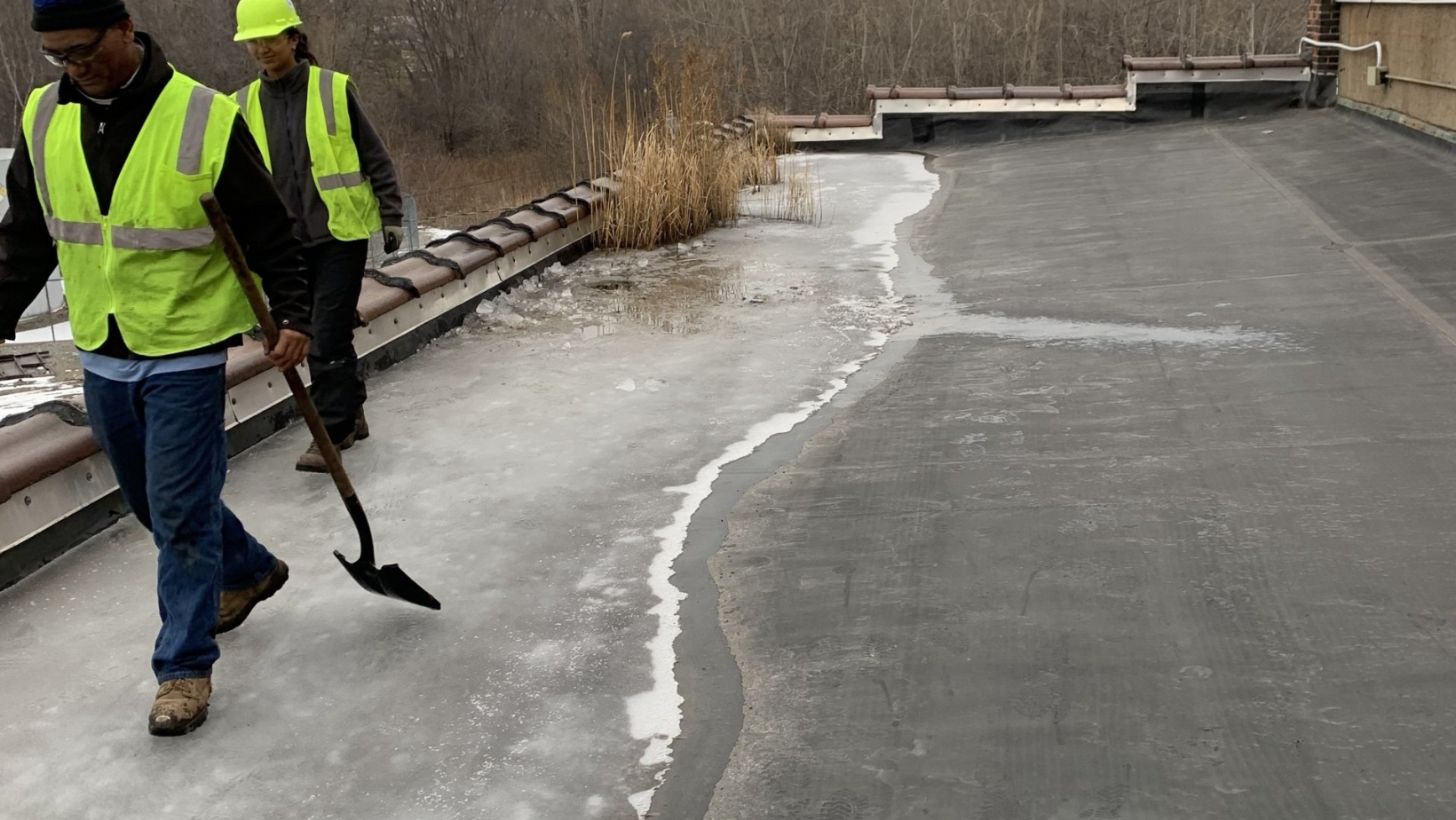
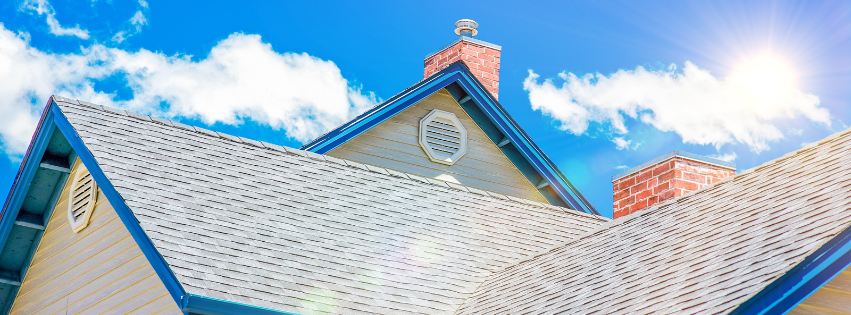
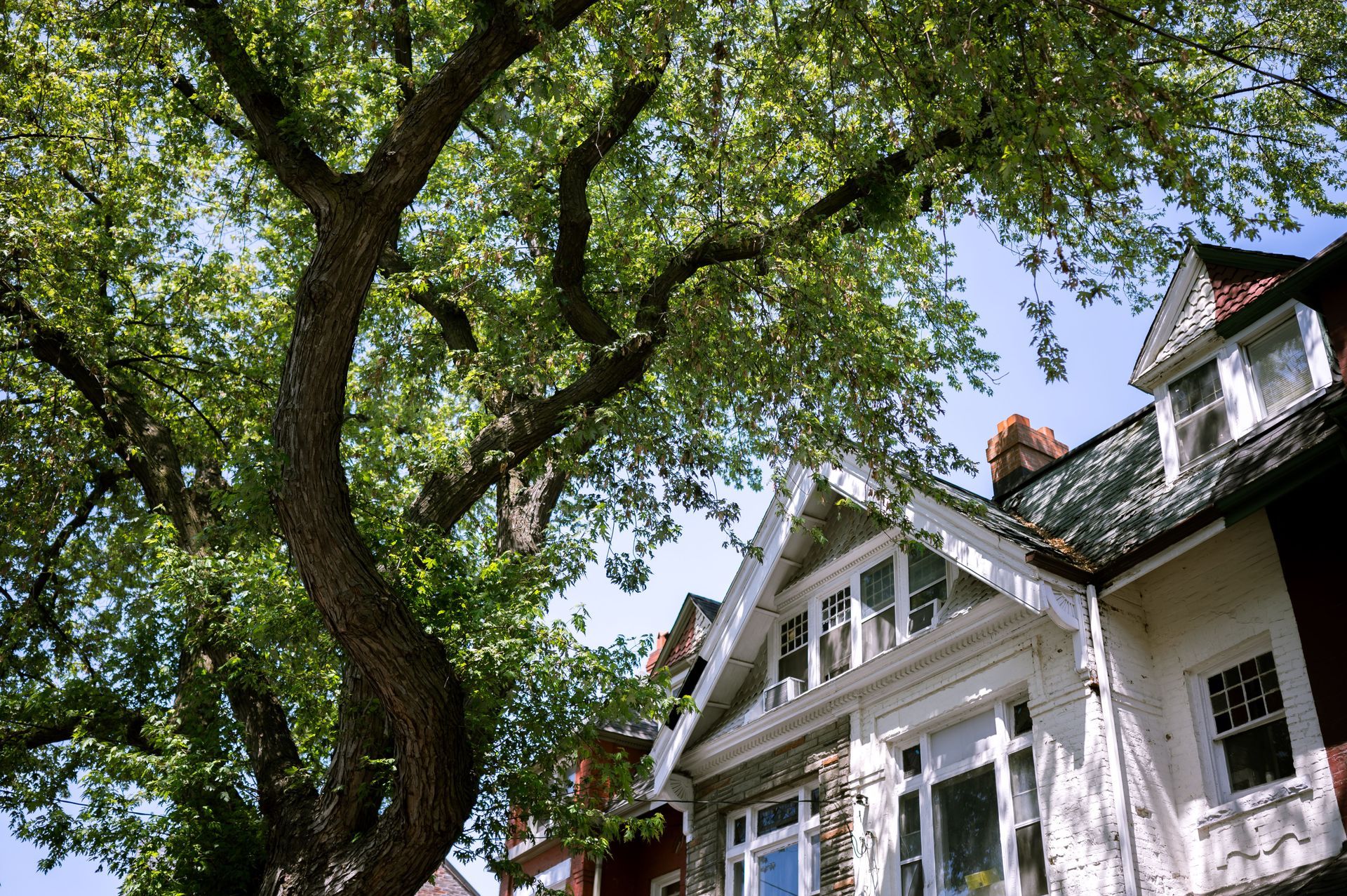
First things first—do you really need a new roof, or can repairs buy you a few more years? Look for signs like curled or missing shingles, leaks in the attic after rain, or dark streaks caused by algae. If your roof is 20 to 25 years old, it’s often more cost-effective to replace it rather than patching problem areas. A professional inspection can give you a clear answer.
Choose the Right Roofing Material
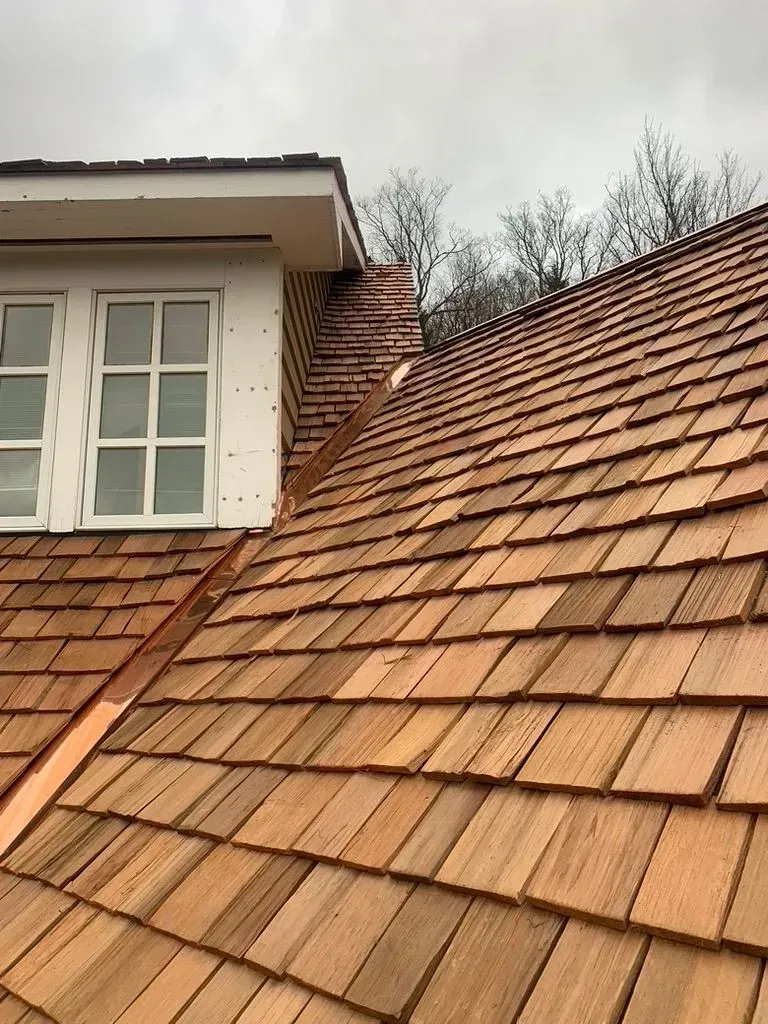
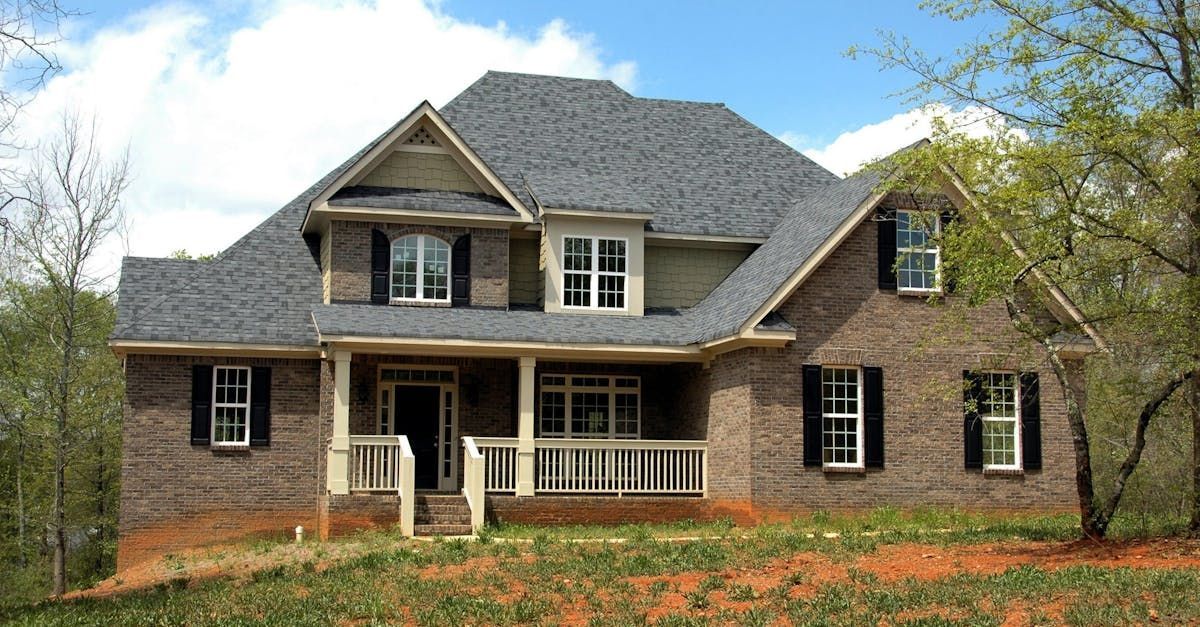
Today’s roofing materials offer more variety than ever, from traditional asphalt shingles to metal, wood, and even synthetic options. Asphalt shingles remain the most popular due to their affordability and durability, but if you’re looking for longevity and energy efficiency, metal or architectural shingles might be worth the extra investment. Your choice will affect both the look of your building and the overall cost of the project.
Understand the Full Scope of the Project
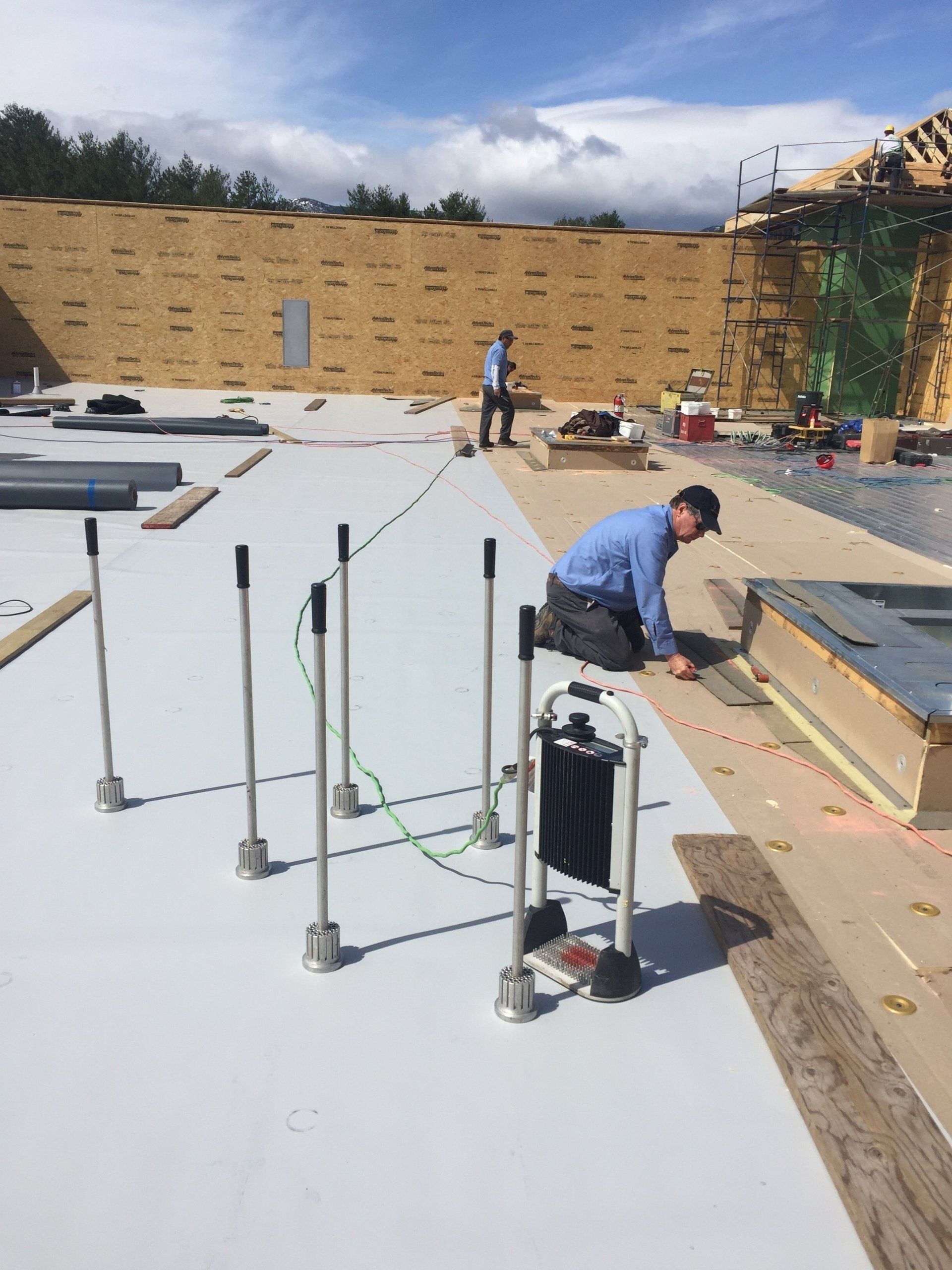
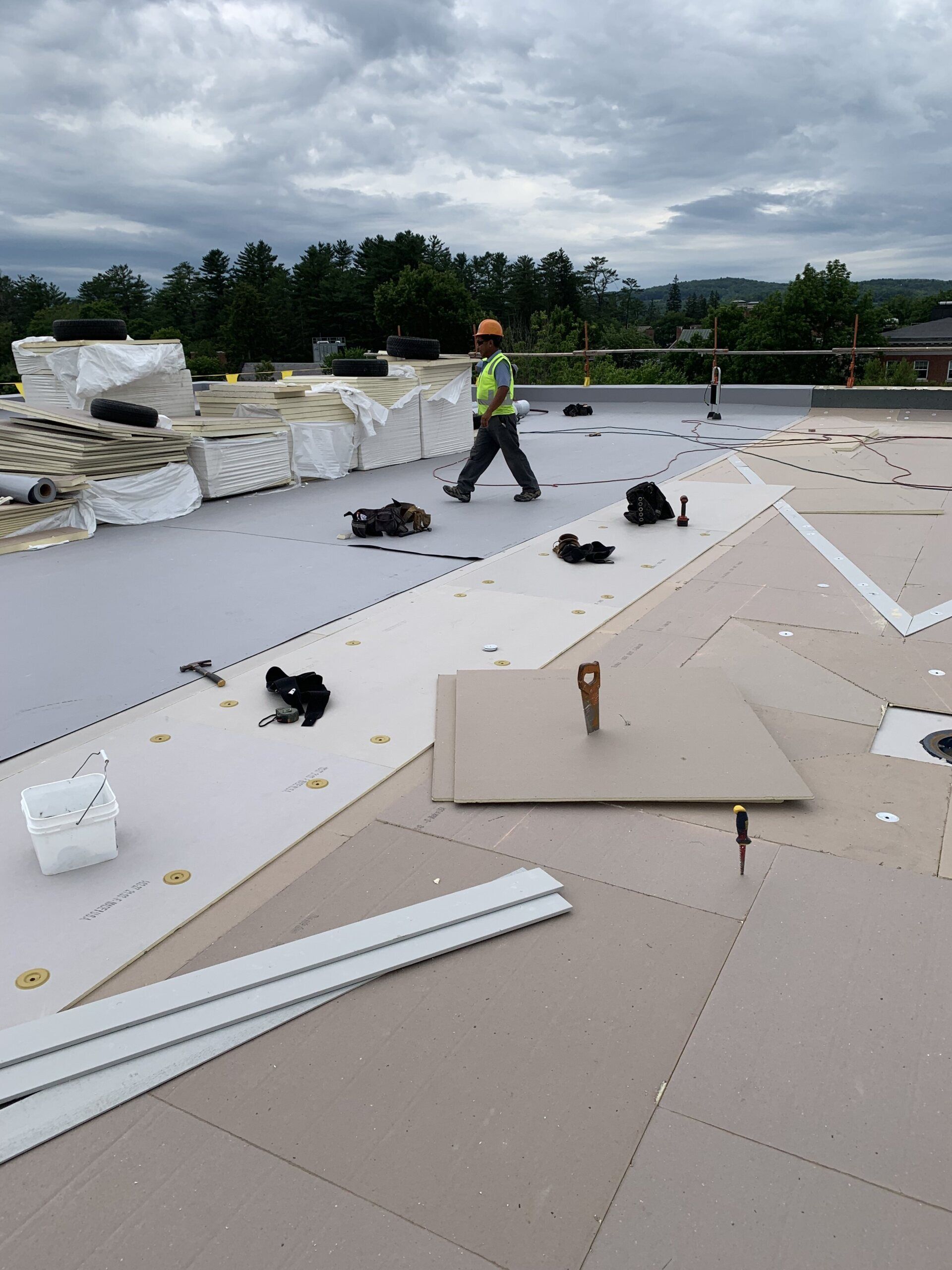
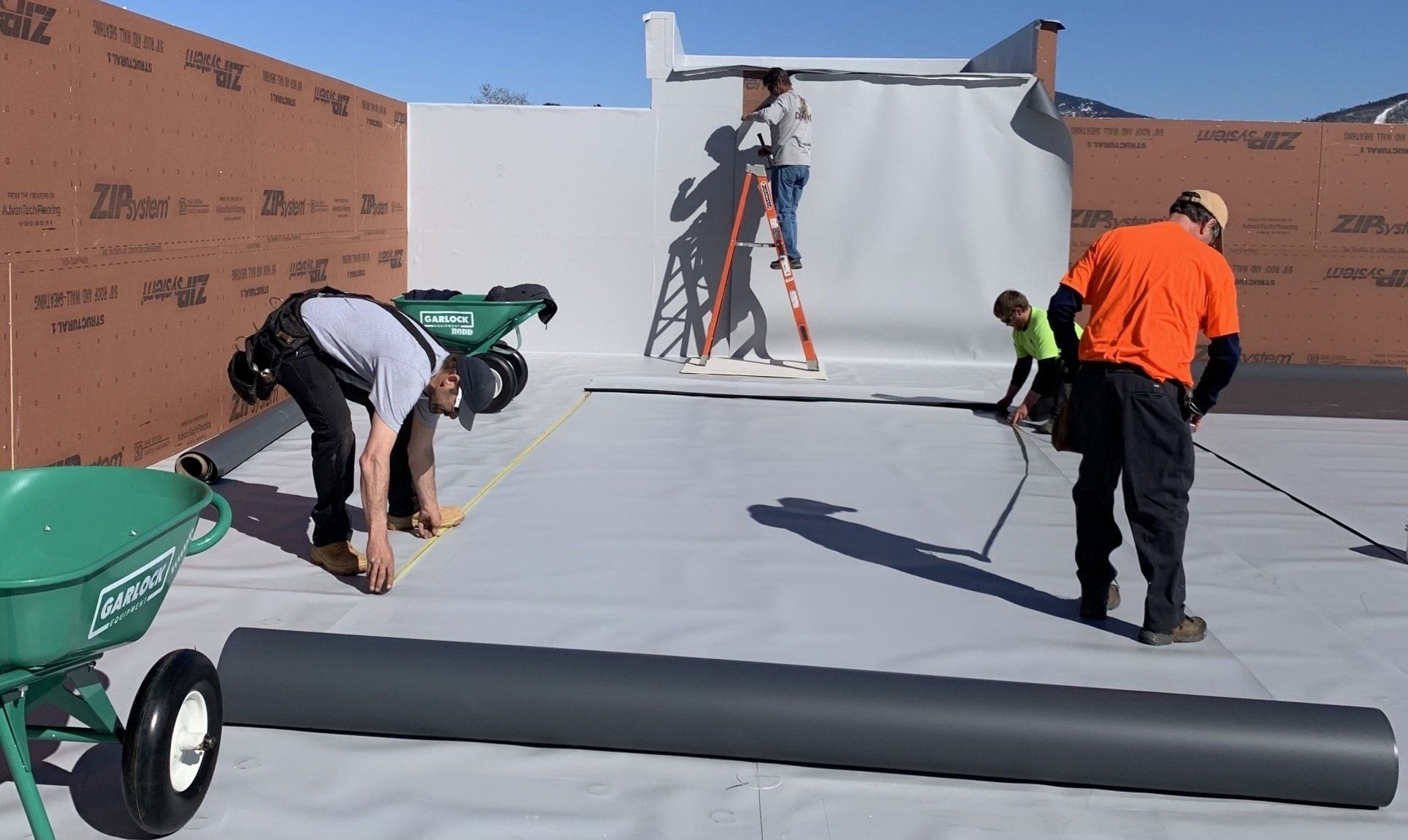
Replacing a roof isn’t just about swapping out shingles. There’s the underlayment, flashing, ventilation, and sometimes structural repairs. A good contractor will walk you through the entire process and explain any additional work that might be needed once the old roof comes off.
Also, keep in mind that roofing projects are noisy and can take a few days to complete, depending on the size of your building and the weather. If you have pets that are sensitive to noise in the building, it’s worth planning around the disruption.
Ask About Warranties & Insurance
Your new roof should come with two types of warranties: one from the manufacturer for the materials and another from the contractor for the workmanship. Make sure you understand what’s covered and for how long.
Also, confirm that your roofing contractor is fully licensed and insured. This protects you from liability if a worker gets injured on your property.
Prepare The Yard
Before the work begins, clear the driveway so the crew has space for their equipment. It’s also smart to move outdoor furniture and cover delicate plants near the building. Inside, consider taking down fragile items from walls, as the vibrations from hammering can sometimes cause things to shift.
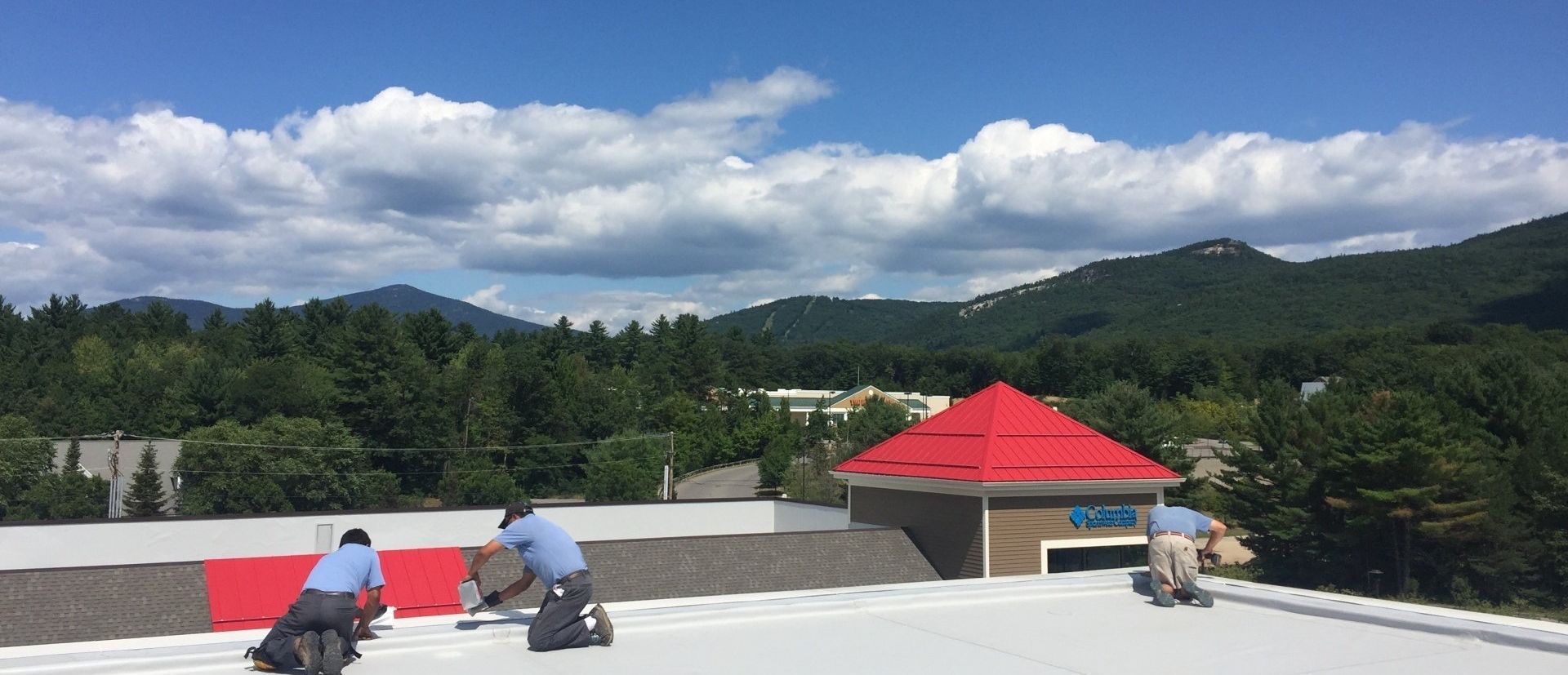
Replacing your roof in VT & NH might not be the most glamorous project, but it’s one of the most important for protecting your building and keeping it comfortable. By understanding the process and working with a trusted contractor, you can tackle the project with confidence.
Thinking it might be time for a new roof? Reach out to us for a no-pressure inspection and estimate. We’re happy to answer your questions and help you find the best solution for your building.