5 Benefits of TPO Roofing

TPO Roofing
Why It's the Smart Choice for Your Commercial Building
In the world of commercial roofing, TPO (Thermoplastic Polyolefin) has emerged as a standout choice for business owners and facility managers seeking a durable, cost-effective, and environmentally friendly solution. If you're considering a new roof for your commercial building, here’s why TPO roofing might be your best bet.
Cost-Effectiveness
TPO roofing systems are widely recognized for their cost-efficiency. Compared to other types of commercial roofing materials like EPDM or PVC, TPO offers a competitive price without compromising on quality or performance. The installation process of TPO roofing is relatively straightforward, which reduces labor costs. Additionally, its durability means less maintenance over time, further cutting down on expenses in the long run.
Durability
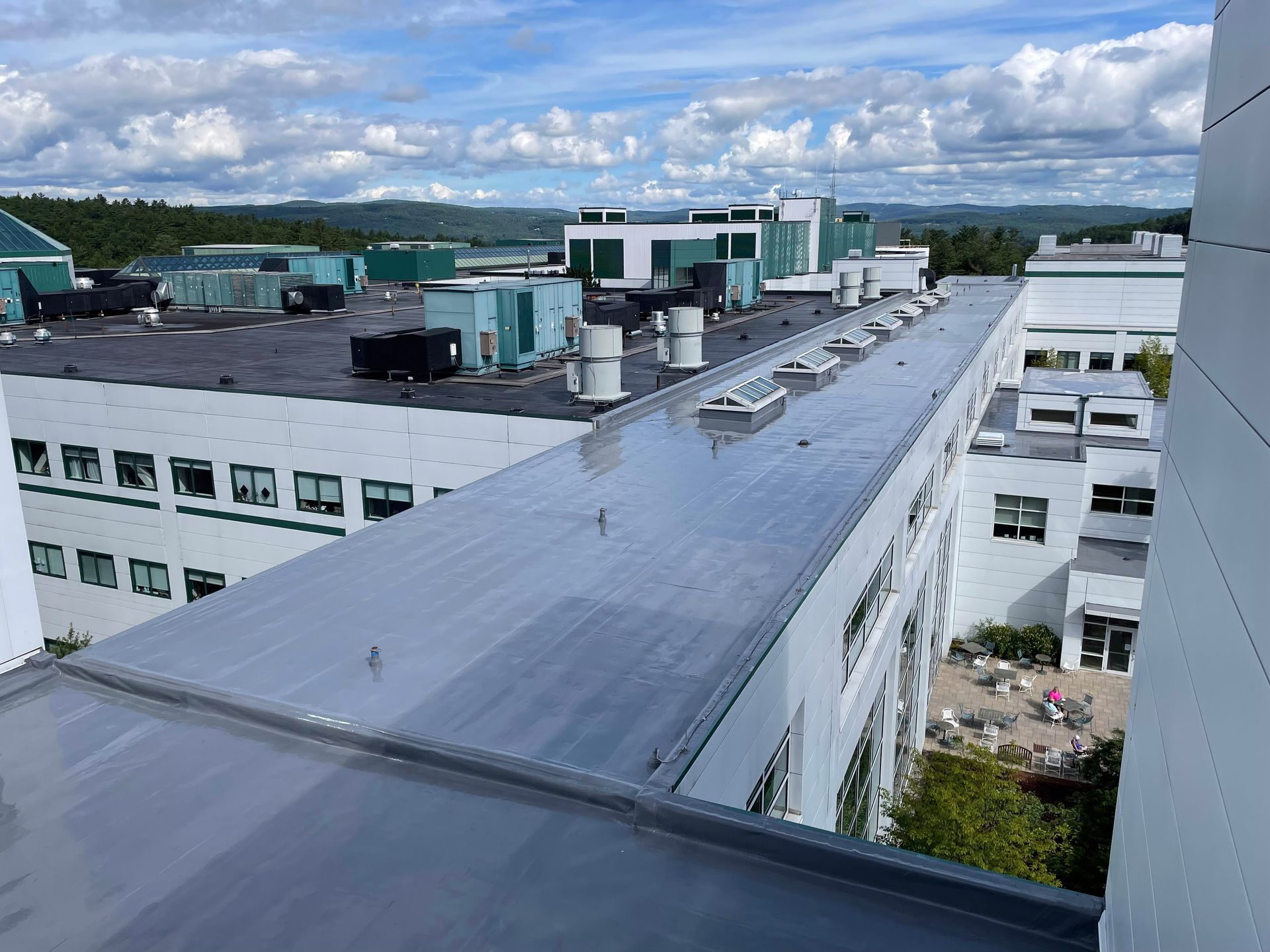
One of the most significant advantages of TPO roofing is its remarkable durability. TPO membranes are designed to resist mold growth, dirt accumulation, tears, and punctures. They can handle thermal expansion and contraction more effectively than other materials, which is crucial for maintaining their integrity in fluctuating temperatures. This resilience translates into a longer lifespan, making TPO a smart investment for the future of any commercial property.
Energy Efficiency
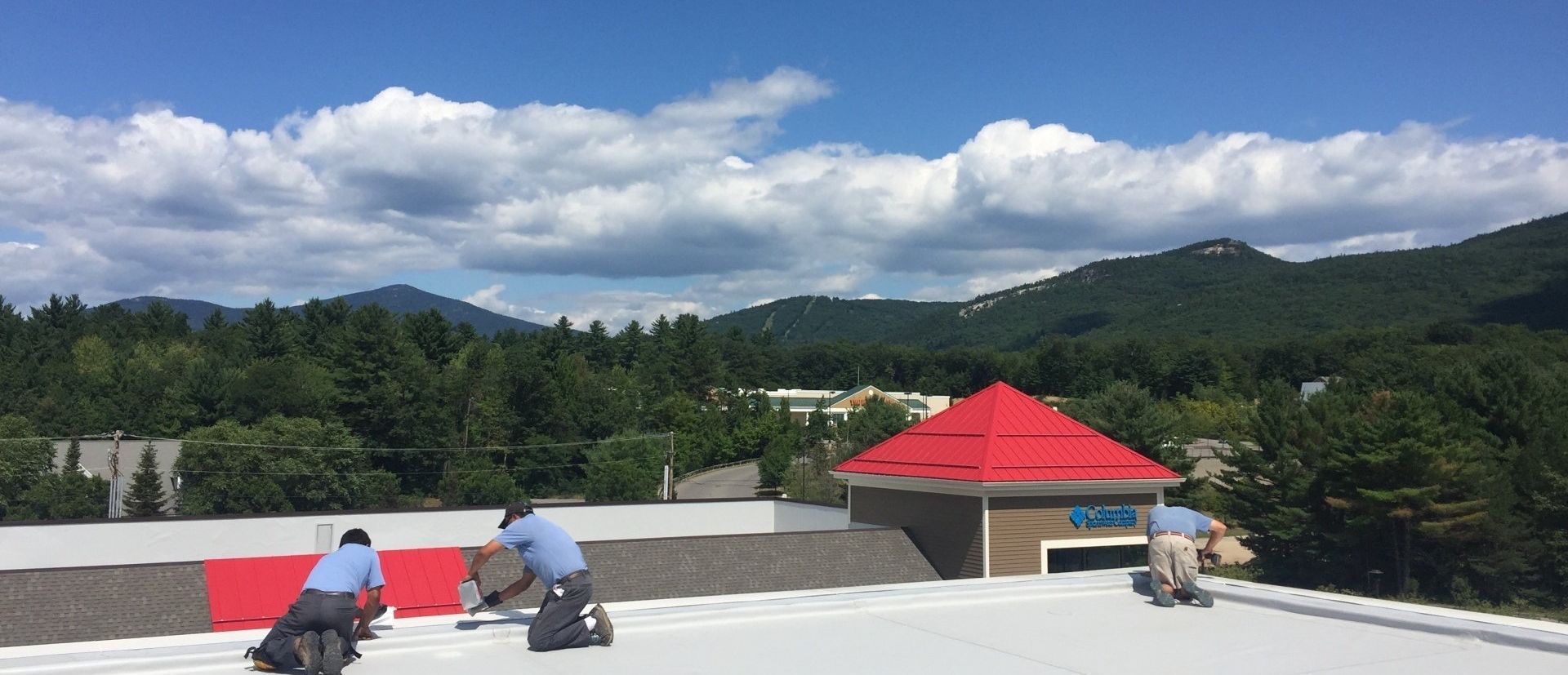
TPO roofs are highly reflective, which means they do not absorb but rather reflect sunlight and UV rays, leading to a significant reduction in cooling costs. This feature makes TPO an excellent choice for buildings in warmer climates where air conditioning expenses can skyrocket during summer months. By keeping building interiors cooler, TPO helps reduce the reliance on air conditioning, thereby lowering energy consumption and utility bills.
Easy Installation
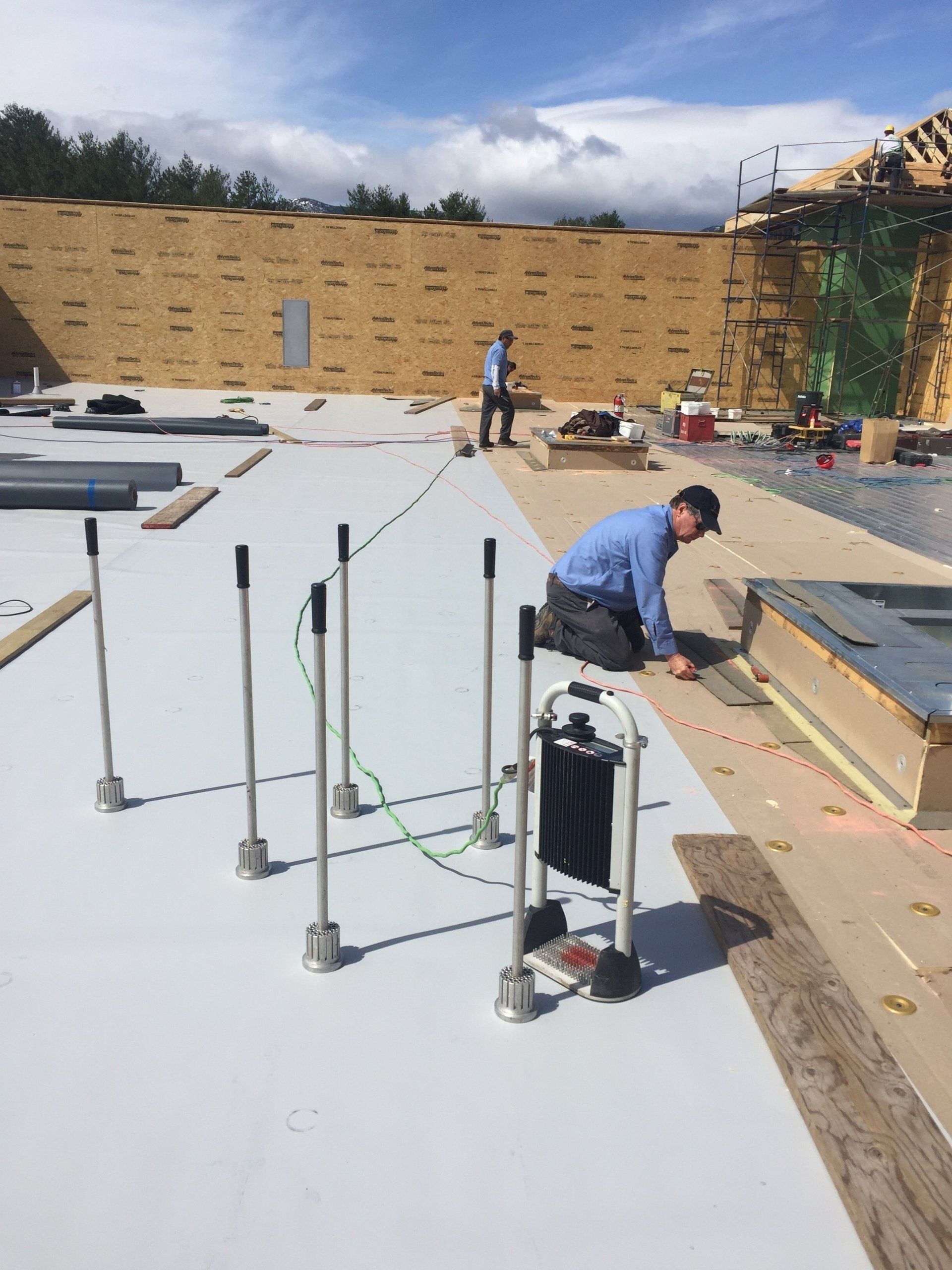
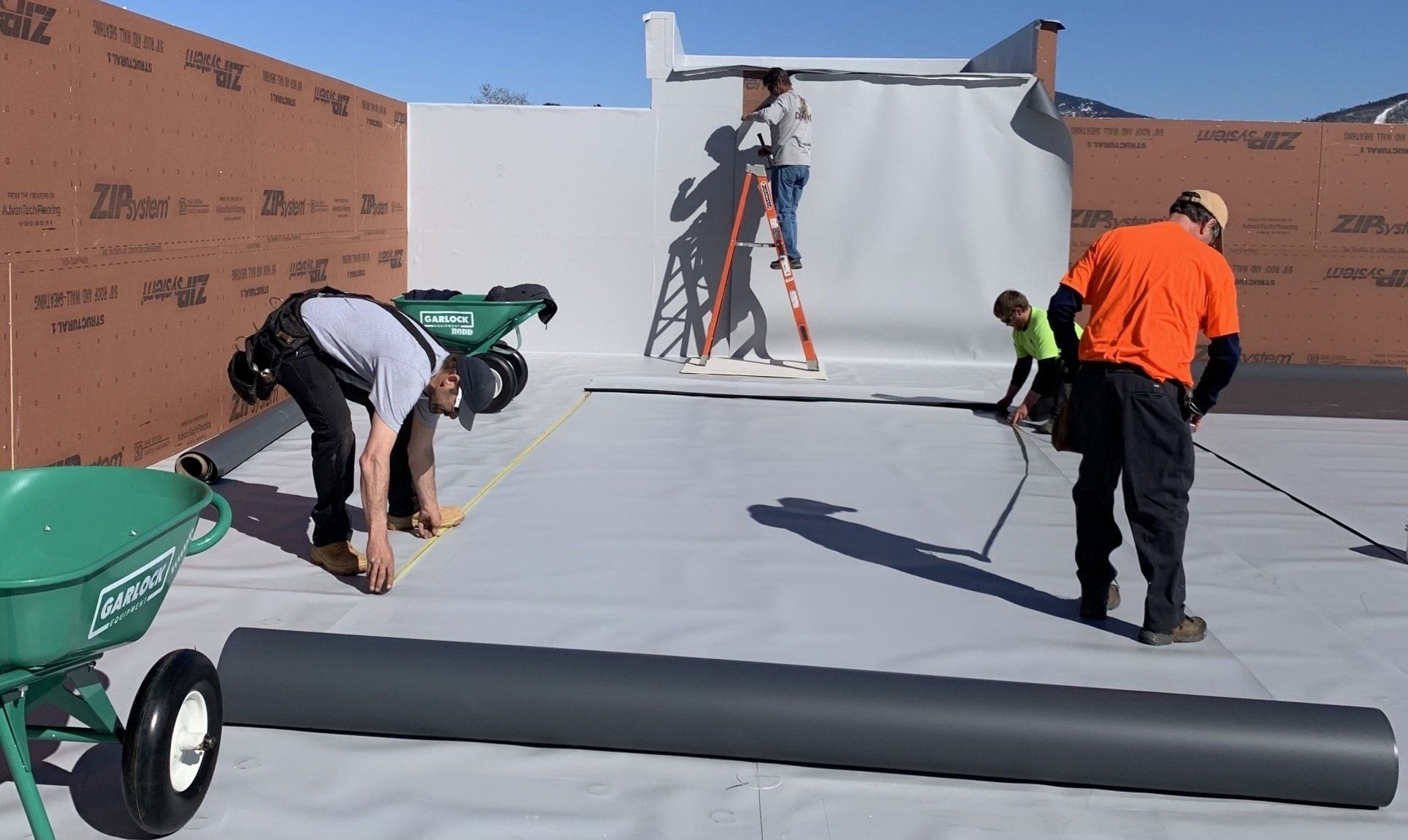
Another compelling benefit of TPO roofing is its ease of installation. TPO membranes are typically available in wide rolls that allow for quick coverage of large areas, reducing the number of seams and the labor involved in installation. The material can be attached using various methods, including mechanical fastening, adhesive bonding, or heat welding, which ensures a secure and leak-free fit. This streamlined installation process not only cuts down on labor costs but also minimizes disruptions to your business operations.
Eco-Friendly
TPO is one of the more environmentally friendly roofing options available today. The material is 100% recyclable at the end of its life cycle, which helps reduce landfill waste. Furthermore, the reflective nature of TPO roofing contributes to decreased energy usage, which is beneficial for the environment. Choosing TPO means you’re opting for a product that helps you meet corporate sustainability goals while protecting the planet.
TPO roofing offers a blend of cost-effectiveness, durability, energy efficiency, ease of installation, and environmental benefits, making it a top choice for commercial roofing needs. Whether you're constructing a new building or replacing an old roof, TPO provides a reliable and smart solution that meets a wide range of requirements.
If you're ready to explore the advantages of TPO roofing for your property, contact our experts today to discuss your options and how we can help you achieve both economic and environmental goals with your next roofing project.