10 Signs That It's Time To Replace Your Commercial Flat Roof

Don't Ignore the Signals:
Top 10 Warning Signs Your Commercial Flat Roof Requires Replacement
Your commercial flat roof plays a crucial role in protecting your business premises and assets. However, like any other component of your building, it won't last forever. Recognizing the signs indicating that it's time for a replacement is vital to prevent costly damage and disruptions to your business operations. Here are ten key indicators that you should consider when evaluating the condition of your commercial flat roof.
Persistent Leaks
Frequent leaks, especially ones that persist despite repair attempts, are a clear indication of underlying issues with your flat roof's integrity. These leaks can cause water damage to your building's interior and compromise the safety of your employees and customers.
Visible Water Damage
Stains, watermarks, or bulging areas on your ceiling or walls indicate water penetration from your roof. Addressing these signs promptly is crucial to prevent further damage to your property's structure and to maintain a safe and healthy indoor environment.
Aging Roofing Materials
Commercial flat roofs typically have a lifespan of 10 to 25 years, depending on the materials used and maintenance practices. If your roof is nearing the end of its expected lifespan, it's wise to start planning for a replacement before major problems arise.
Cracked or Bubbling Membrane
Inspect your flat roof for signs of membrane deterioration, such as cracks, blisters, or bubbles. These issues can compromise the waterproofing properties of the membrane, leading to leaks and other problems.
Sagging Roof Deck
A sagging or uneven roof deck indicates structural issues that require immediate attention. This could be caused by water damage, rot, or inadequate support, all of which necessitate a thorough inspection and potential replacement of the roof system.
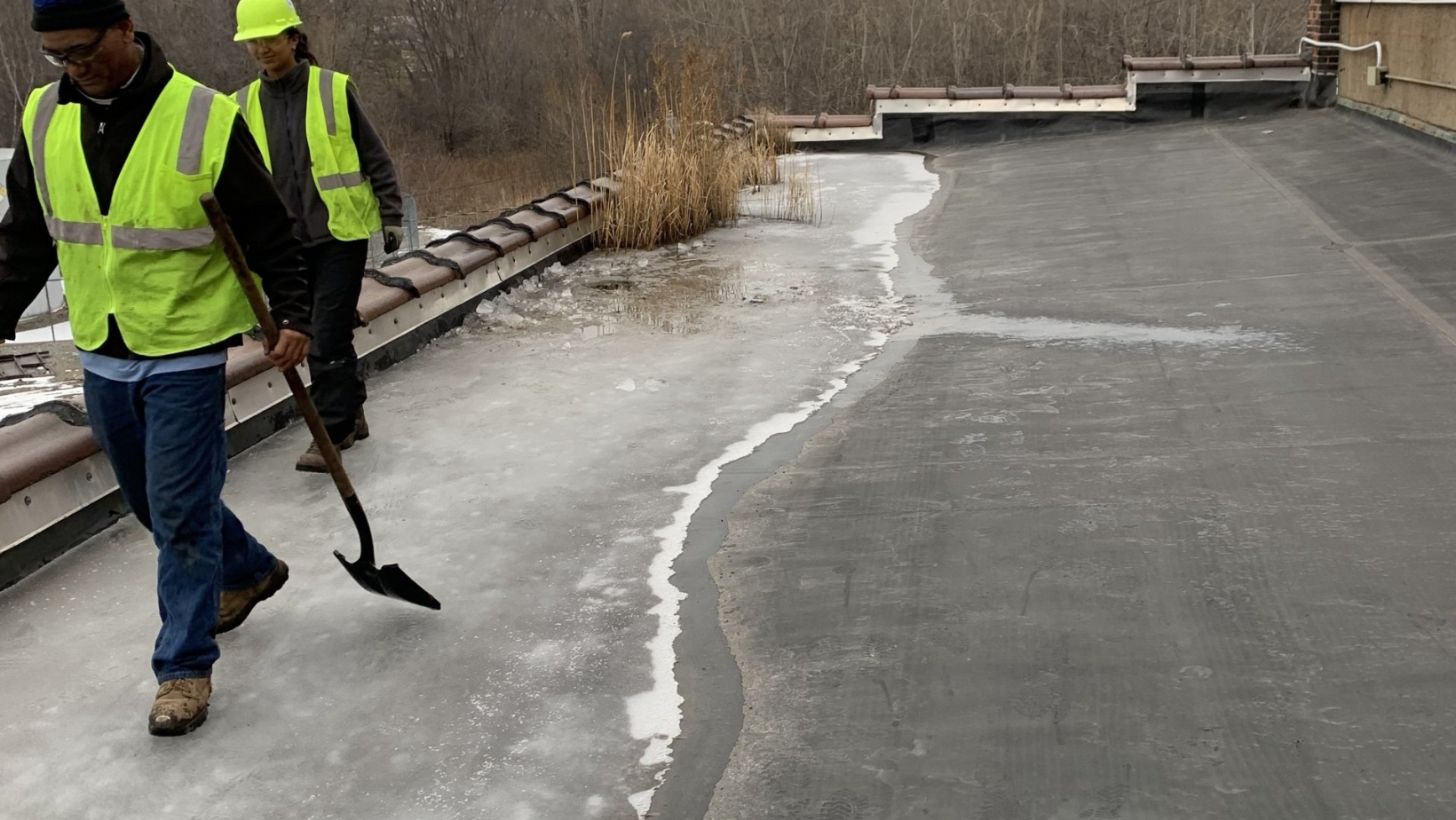
Excessive Ponding Water
Flat roofs should have proper drainage to prevent water from pooling or ponding for extended periods. If you notice areas of standing water on your roof after rainfall, it may indicate drainage problems that need to be addressed to prevent water damage and structural deterioration.
Mold or Mildew Growth
The presence of mold or mildew on your roof's surface or in the building's interior is a sign of excessive moisture, often caused by leaks or poor ventilation. Mold growth not only damages your property but also poses health risks to occupants.
Increased Energy Bills
A deteriorating or inefficient flat roof can result in higher energy costs due to poor insulation and ventilation. If you notice a significant increase in your heating or cooling bills, it could be a sign that your roof is no longer providing adequate thermal protection.
Loose or Missing Flashing
Flashing is essential for sealing joints and transitions on your flat roof, such as around vents, chimneys, and HVAC units. Loose or missing flashing can allow water to penetrate these vulnerable areas, leading to leaks and water damage.
Previous Repairs Are Failing
If you've been patching up your flat roof frequently and the repairs seem to be failing more often, it may be a sign that the roof has reached the end of its service life. Investing in a new roof can provide long-term peace of mind and avoid the hassle of constant repairs.
Being proactive in identifying and addressing these signs can help you avoid costly repairs and disruptions to your business operations. If you notice any of these indicators on your commercial flat roof, it's essential to consult with a professional roofing contractor to assess the condition of your roof and determine the best course of action, which may include replacement to ensure the continued protection of your property and assets.