
What a Homeowner Needs to Know About Roof Ventilation
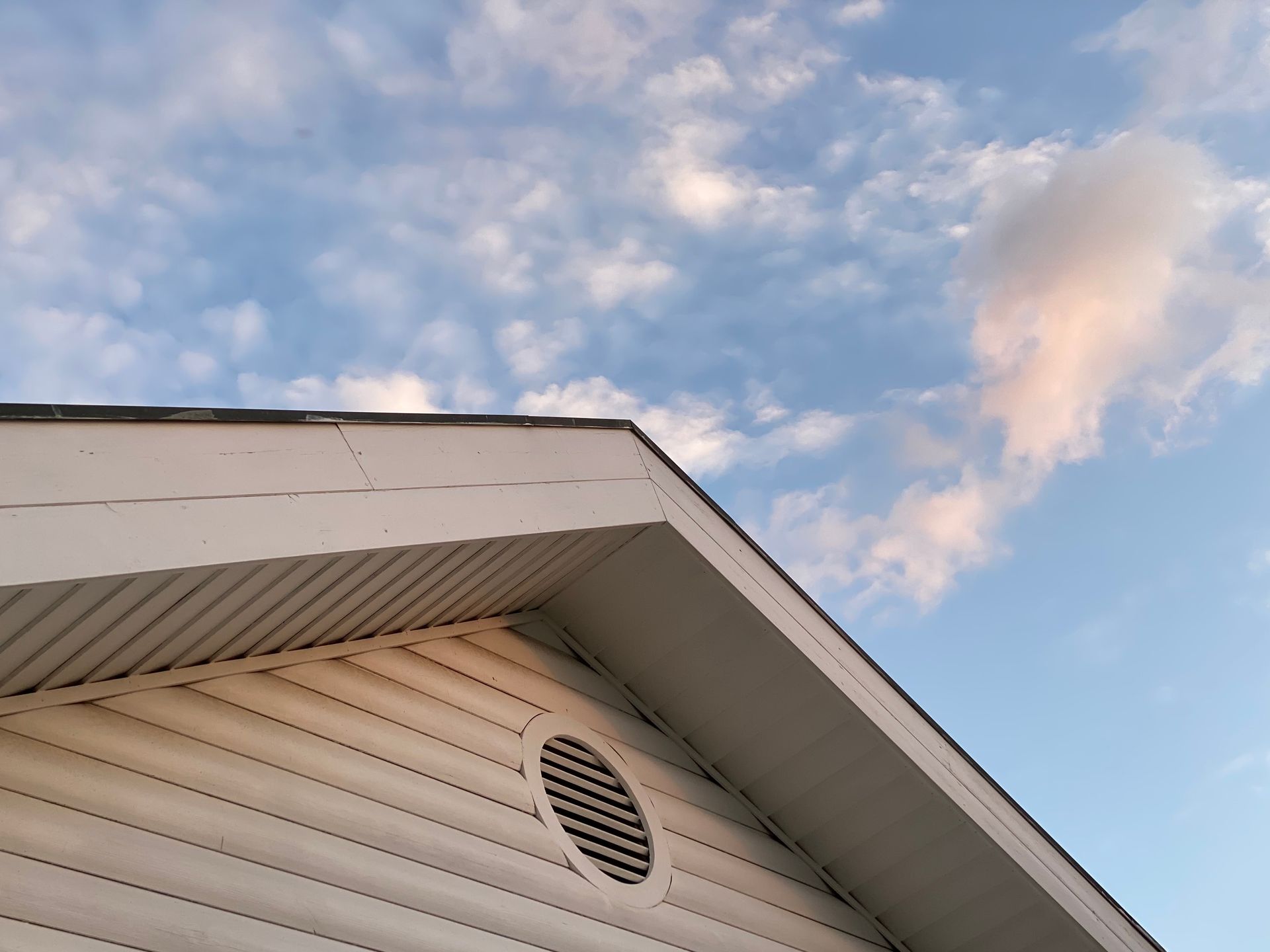
Ventilating your Vermont roof is crucial for structural integrity

Why Roof Ventilation Matters for Your Vermont Home

Roof ventilation might not be the most exciting part of homeownership, but it plays a crucial role in the health of your roof, and your entire house. If you've ever noticed high energy bills, a musty attic, or uneven temperatures upstairs, poor ventilation could be to blame.


Let’s break down what roof ventilation is, why it matters, and what you should look out for.

What Is Roof Ventilation?

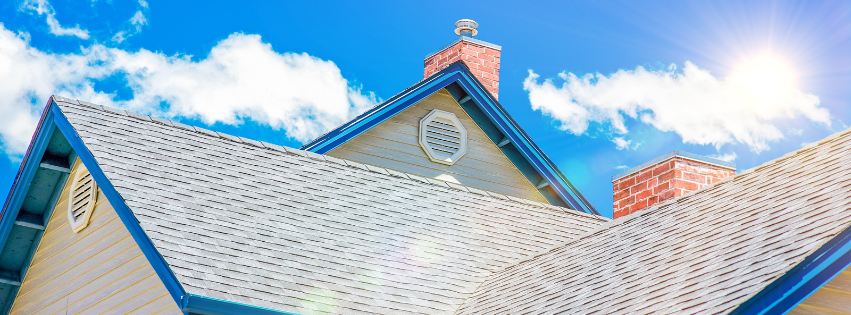
Roof ventilation is all about airflow. It helps hot, moist air escape from your attic and allows cooler, fresh air to come in. This is usually done through a combination of intake vents (often in the soffits) and exhaust vents (near the roof ridge or gables).


A properly ventilated roof lets your home "breathe," preventing heat and moisture from building up in the attic.


Why It Matters

1. Energy Efficiency
In summer, attics can reach 130°F or more without good ventilation. That trapped heat seeps into your living space, forcing your AC to work overtime. Ventilation helps keep attic temperatures in check, reducing energy use and keeping your home more comfortable.


2. Moisture Control
In colder months, warm air from inside your home can rise and get trapped in the attic, where it condenses on cool surfaces. Over time, that moisture can lead to mold, rot, and insulation damage. Ventilation helps release that humid air before it causes trouble.


3. Roof Longevity
Excess heat and moisture can wear down shingles, warp wood, and weaken the overall structure of your roof. A well-ventilated attic helps extend the life of your roofing system and protects your investment.


Signs You Have A Ventilation Problem

  • Your attic feels extremely hot or damp
  • Ice dams form along your roof in winter
  • Mold or mildew in the attic
  • Higher-than-normal energy bills
  • Uneven temperatures between floors


When To Call A Pro

If you’re seeing any of these signs, or if you’re unsure whether your ventilation setup is working, it's a good idea to call in a roofing professional. They can assess your current system and recommend the right balance of intake and exhaust to suit your home.


Roof ventilation may be out of sight, but it shouldn't be out of mind. A properly ventilated roof is key to energy efficiency, moisture control, and long-term durability. A little airflow goes a long way!
Contact Us
Raindrops splash into deep, shimmering puddles on a wet pavement with a blurred red building in the background.
April 9, 2026
Spring rain often exposes roof damage caused by winter—learn the warning signs and why a post-winter inspection can prevent costly repairs.
Melting snow and an icicle hang from a red metal roof under a bright blue sky.
March 26, 2026
As snow melts and temperatures fluctuate, hidden winter roof damage can surface—learn what to look for and why a professional spring inspection is essential.
A low-angle view of shiny metal roofing panels with vertical seams against a bright blue sky with a few clouds.
March 19, 2026
Explore how asphalt, metal, slate, copper, single-ply membranes, and silicone coatings perform in Vermont’s demanding climate.
Icicles hanging from the dark brown edge of an umbrella against a clear blue sky.
March 12, 2026
March is the ideal time to inspect your roof after winter stress—learn what to look for and why scheduling a professional spring evaluation can prevent costly leaks.
March 5, 2026
Ensure your commercial roof drains, scuppers, and gutters are ready for spring storms—prevent ponding water and costly interior damage with proactive maintenance.
Flat, black roof with ice and snow. Brown brick trim, bare trees and a snowy background.
February 26, 2026
February’s freeze-thaw cycles put flat roofs at risk—learn how low-slope pooling, frozen scuppers, and blocked internal drains create hidden hazards and why pre-thaw maintenance is critical.
Worker in safety vest and hard hat chipping ice with a shovel on a commerical roof.
February 19, 2026
Learn how unchecked ice buildup can crack flashings, block drains, and force water under roof seams—causing damage that worsens with every winter freeze-thaw cycle.
Two-story house covered in snow, with black shutters and a red door, during a winter day.
February 12, 2026
From stained ceiling tiles to ice at parapet walls, discover five subtle winter warning signs that may indicate hidden roof damage and growing freeze-thaw stress.
Workers on a rooftop in a snowy environment. They are wearing safety vests and helmets, working near a ladder.
February 5, 2026
February’s freeze-thaw cycles put flat roofs at peak risk—learn which commonly overlooked areas like expansion joints, scuppers, and HVAC curbs need professional attention before problems escalate.
Blog promotion graphic for blog article Winter Roofing Myths That Can Cost You by Rodd Roofing
January 28, 2026
Don’t fall for these winter roofing myths. Learn the truth about snow removal, rock salt, and leak risks from the experts at Rodd Roofing.