
5 Signs Your Roof Needs Attention Before the Next Big Storm
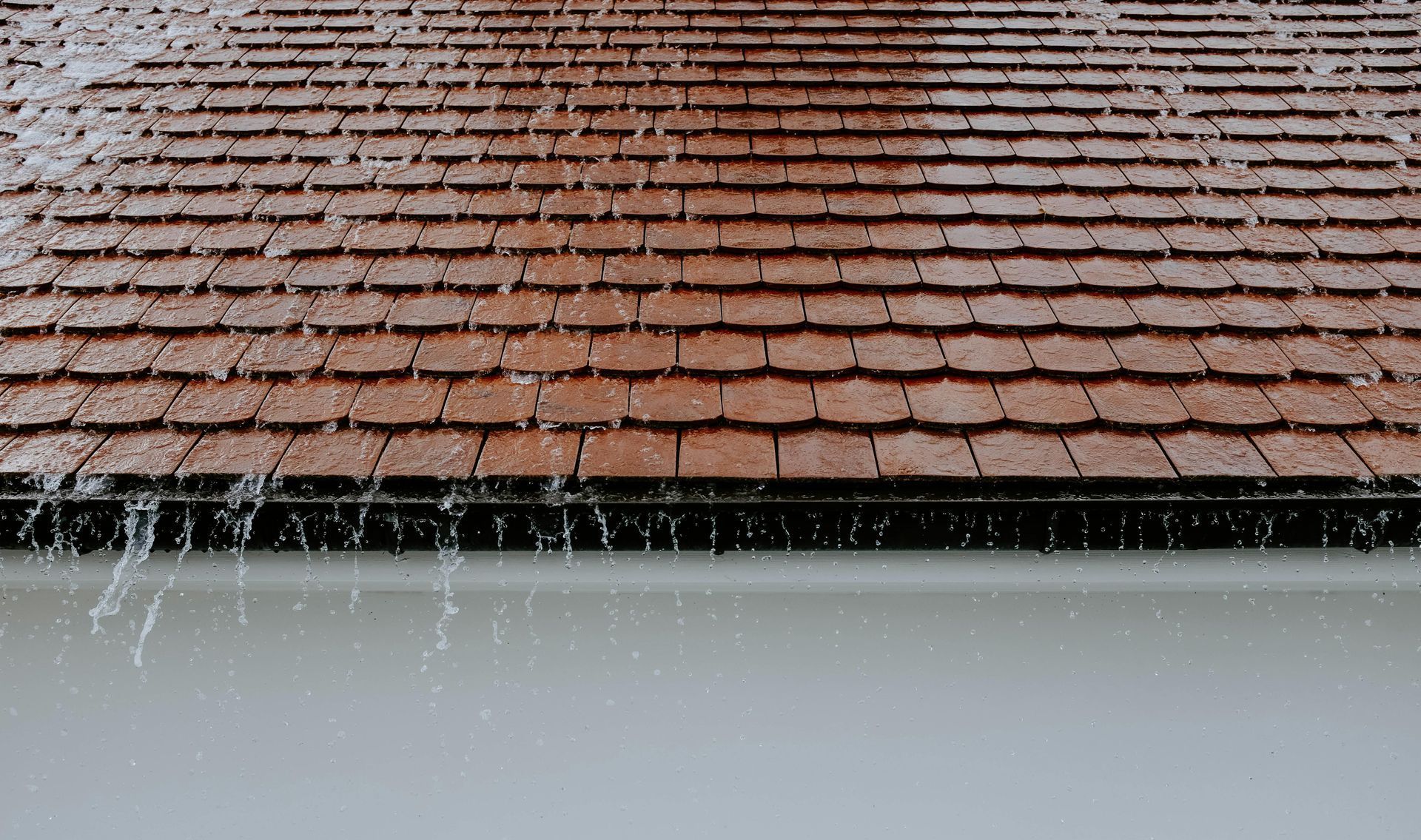
Rain pours off a Vermont roof during hurricane season

5 Clues Your Roof Needs Immediate Attention

When the forecast calls for high winds and heavy rain, your roof is your first line of defense. But how do you know if it’s ready to hold up? Whether you're a homeowner or a property manager, catching early warning signs can help you avoid leaks, water damage, or even structural issues during the next big storm.


Here are five signs your roof needs attention, and why it’s smart to act now instead of waiting for trouble.

Curling or Lifting Shingles

If your shingles are curling at the edges or starting to lift, that’s a red flag. This kind of damage leaves the underlayment exposed to wind and water. All it takes is one strong gust or heavy downpour to push water underneath and cause a leak. If you spot any shingles looking worse for wear, it’s time to call in a pro for an assessment.

Granules in the Gutters

Have you noticed a buildup of sand-like granules in your gutters or at the base of your downspouts? Those granules are what protect asphalt shingles from the sun and weather. Once they start shedding, your shingles become more vulnerable,especially in a storm. Granule loss is a sign your roof is aging and may need repairs or replacement in the near future.

Missing or Damaged Flashing

Flashing is the metal strip that seals off roof joints, chimneys, and skylights. If it's bent, rusted, or missing altogether, water can easily find its way into your home. Flashing issues are easy to overlook but can lead to major interior damage if not fixed before a storm hits.

Sagging or Uneven Rooflines

Take a step back and look at your roofline. Does it look wavy or saggy in spots? That could indicate moisture damage or weakened structural support, both of which are serious problems when heavy rain and wind are on the way.

Water Stains Inside

Sometimes the warning signs aren’t outside. If you see water stains on ceilings or upper walls, your roof may already be leaking. Even if the damage seems minor now, a big storm could make things worse in a hurry.


If you notice any of these signs, it’s a smart move to schedule a roof inspection before the weather turns. A professional can spot issues you might miss and help you prevent a small problem from becoming a major repair.
Raindrops splash into deep, shimmering puddles on a wet pavement with a blurred red building in the background.
April 9, 2026
Spring rain often exposes roof damage caused by winter—learn the warning signs and why a post-winter inspection can prevent costly repairs.
Melting snow and an icicle hang from a red metal roof under a bright blue sky.
March 26, 2026
As snow melts and temperatures fluctuate, hidden winter roof damage can surface—learn what to look for and why a professional spring inspection is essential.
A low-angle view of shiny metal roofing panels with vertical seams against a bright blue sky with a few clouds.
March 19, 2026
Explore how asphalt, metal, slate, copper, single-ply membranes, and silicone coatings perform in Vermont’s demanding climate.
Icicles hanging from the dark brown edge of an umbrella against a clear blue sky.
March 12, 2026
March is the ideal time to inspect your roof after winter stress—learn what to look for and why scheduling a professional spring evaluation can prevent costly leaks.
March 5, 2026
Ensure your commercial roof drains, scuppers, and gutters are ready for spring storms—prevent ponding water and costly interior damage with proactive maintenance.
Flat, black roof with ice and snow. Brown brick trim, bare trees and a snowy background.
February 26, 2026
February’s freeze-thaw cycles put flat roofs at risk—learn how low-slope pooling, frozen scuppers, and blocked internal drains create hidden hazards and why pre-thaw maintenance is critical.
Worker in safety vest and hard hat chipping ice with a shovel on a commerical roof.
February 19, 2026
Learn how unchecked ice buildup can crack flashings, block drains, and force water under roof seams—causing damage that worsens with every winter freeze-thaw cycle.
Two-story house covered in snow, with black shutters and a red door, during a winter day.
February 12, 2026
From stained ceiling tiles to ice at parapet walls, discover five subtle winter warning signs that may indicate hidden roof damage and growing freeze-thaw stress.
Workers on a rooftop in a snowy environment. They are wearing safety vests and helmets, working near a ladder.
February 5, 2026
February’s freeze-thaw cycles put flat roofs at peak risk—learn which commonly overlooked areas like expansion joints, scuppers, and HVAC curbs need professional attention before problems escalate.
Blog promotion graphic for blog article Winter Roofing Myths That Can Cost You by Rodd Roofing
January 28, 2026
Don’t fall for these winter roofing myths. Learn the truth about snow removal, rock salt, and leak risks from the experts at Rodd Roofing.