The Impact of Your Roof On Your Home Energy Efficiency
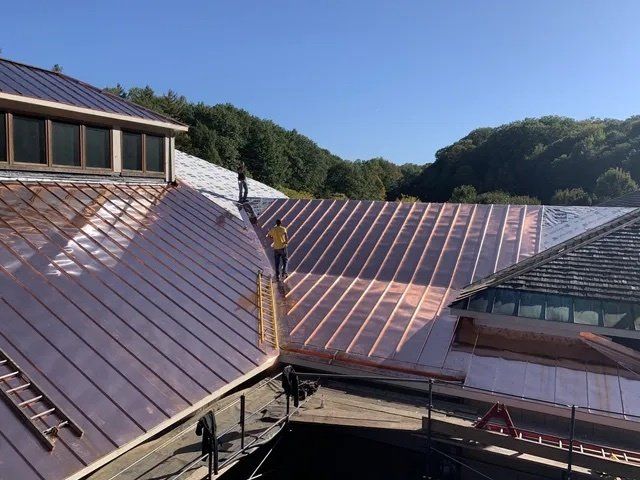
Enhance Your Home’s Energy Efficiency with the Right Roof
How Insulation, Ventilation, and Materials Affect Performance
Your roof plays a huge role in your home’s energy efficiency, influencing both heating and cooling costs. A well-designed and properly maintained roof can help regulate indoor temperatures, reduce energy consumption, and lower utility bills. Here’s how different roofing materials and features can impact your home’s energy efficiency.
Insulation & Ventilation
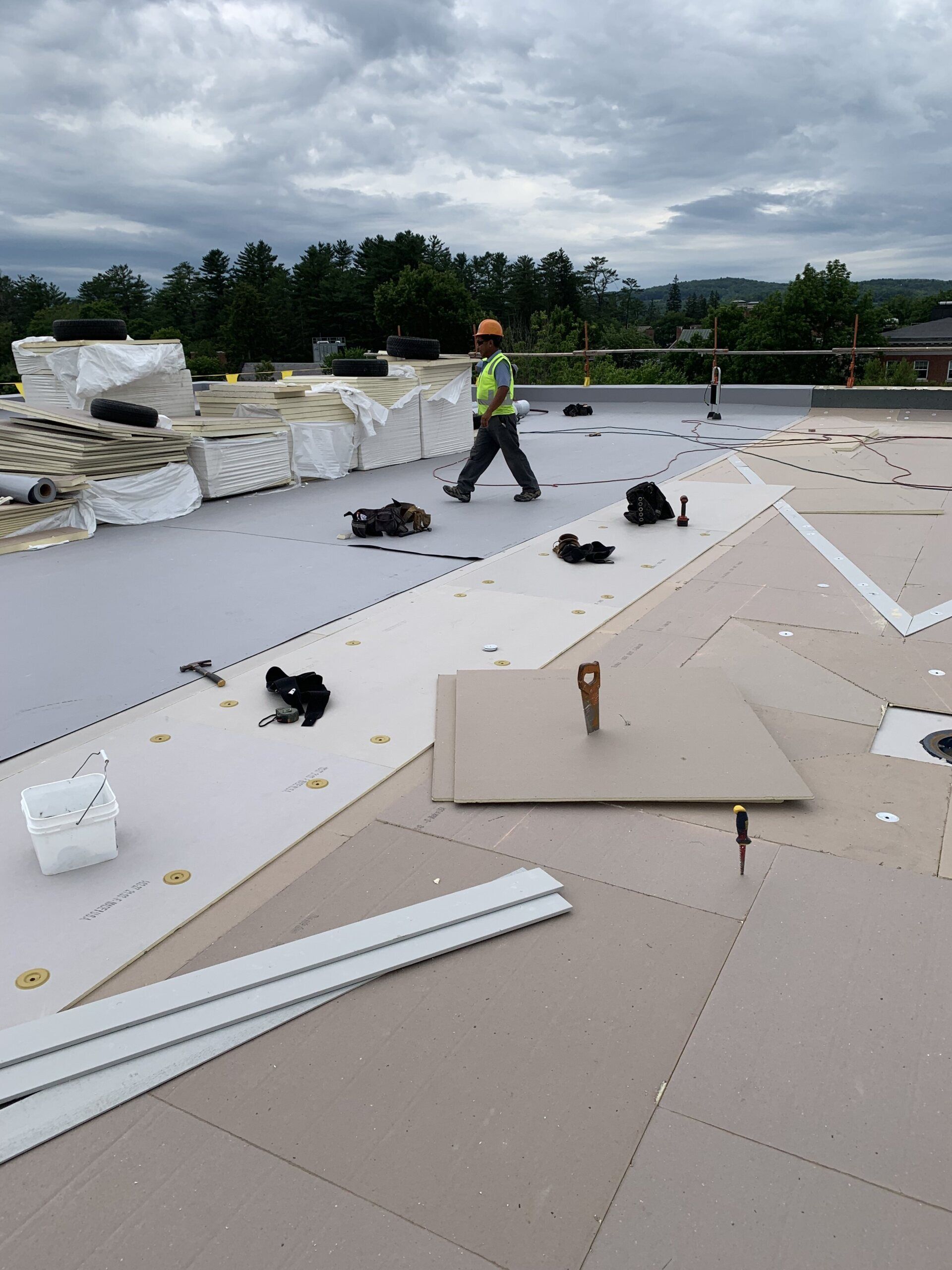
Proper insulation and ventilation are crucial for maintaining energy efficiency. An inadequately insulated roof allows heat to escape in the winter and enter in the summer, causing your heating and cooling systems to work harder. High-quality insulation, such as spray foam or fiberglass, can significantly improve your roof’s thermal performance, keeping your home comfortable year-round.
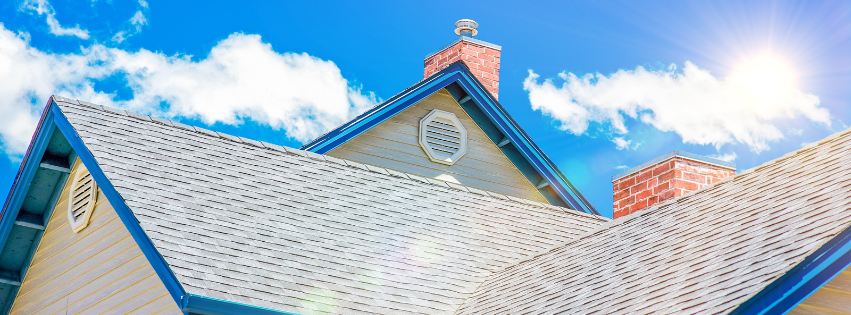
Proper ventilation is also essential to prevent heat buildup in the attic, which can transfer to living spaces and increase cooling costs. Roofs equipped with adequate ventilation systems, such as ridge vents or gable vents, help maintain a balanced temperature, reduce moisture buildup, and prolong the lifespan of your roof.
Reflective Roofing Materials
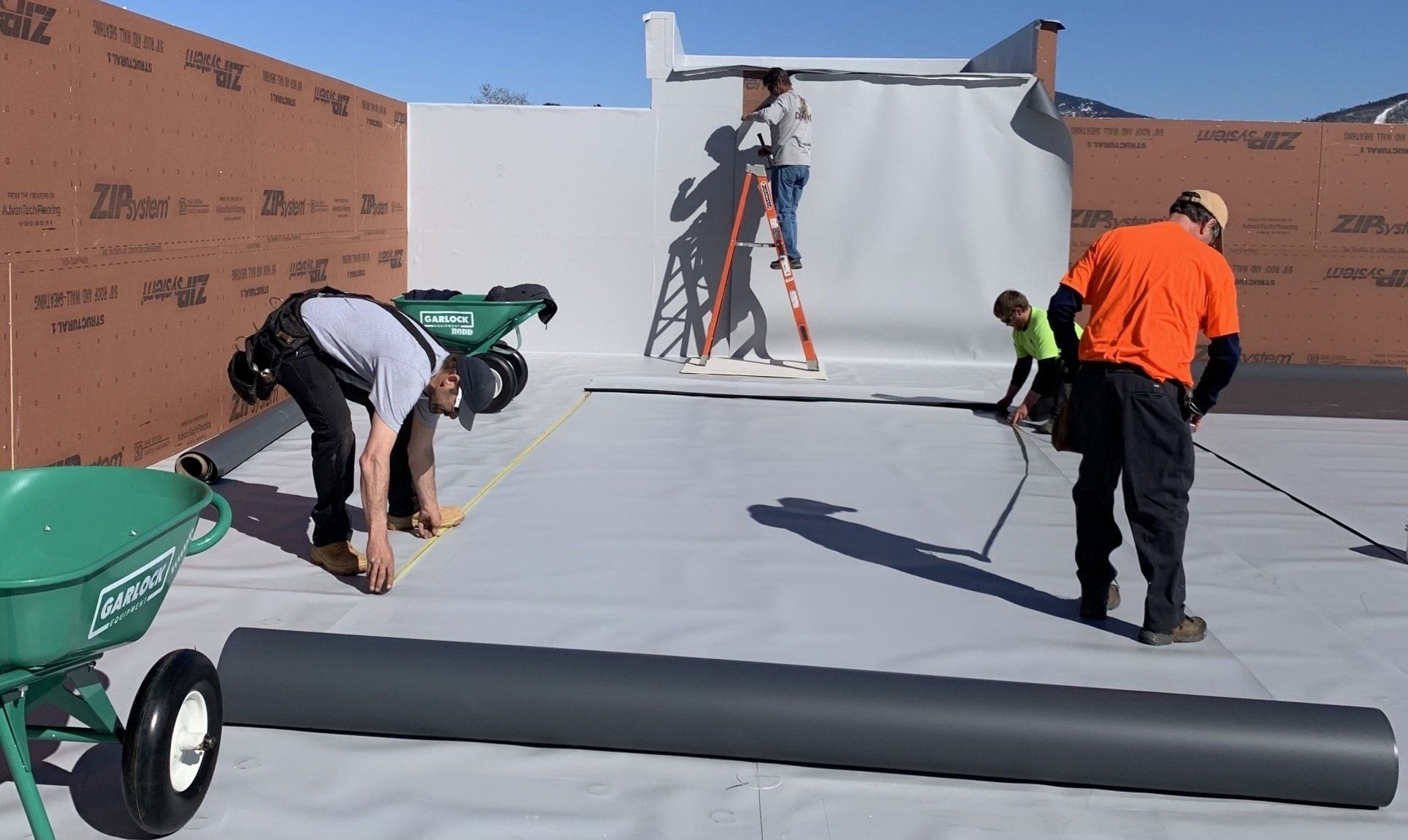
Reflective roofing materials can dramatically enhance your home’s energy efficiency. Cool roofs, designed with reflective coatings or materials, reflect a higher percentage of sunlight and absorb less heat compared to traditional roofing materials. This can lead to lower cooling costs during hot weather, as your air conditioning system won’t have to work as hard to maintain a comfortable indoor temperature.
Metal roofs, especially those with reflective coatings, are excellent choices for energy efficiency. They offer superior reflectivity and durability, which reduces heat absorption and increases longevity. Similarly, light-colored asphalt shingles or tiles with reflective granules can also help minimize heat absorption and improve overall energy efficiency.
Roof Color & Material
The color and material of your roof can significantly affect its energy performance. Lighter-colored roofs tend to reflect more sunlight and absorb less heat compared to darker-colored roofs, which can help keep your home cooler in the summer. If you live in a region with extreme temperatures, choosing a lighter roof color can be a cost-effective way to enhance energy efficiency.
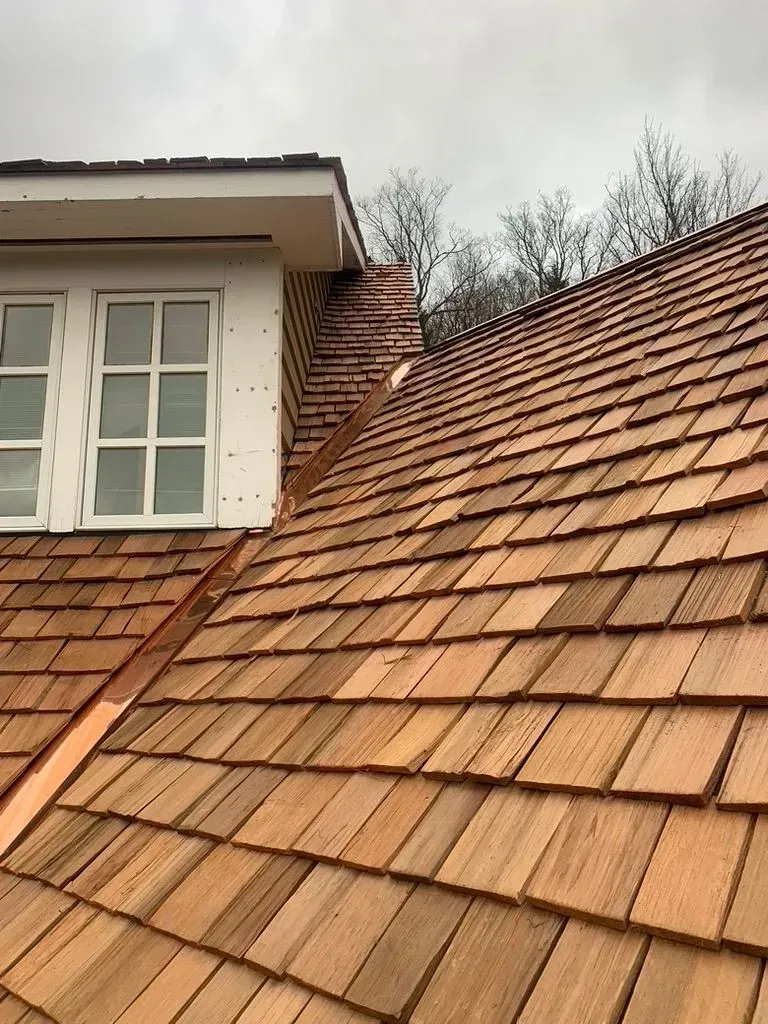
Additionally, the roofing material itself plays a role in energy efficiency. Materials such as clay tiles, concrete tiles, or asphalt shingles with reflective coatings can help regulate temperature and reduce energy consumption. On the other hand, materials like wood shakes or dark-colored asphalt shingles may absorb more heat, leading to higher cooling costs.
The role of your roof in your home’s energy efficiency shouldn't be an afterthought. Factors such as insulation, ventilation, reflective materials, and roof color all influence how well your roof manages heat and energy consumption. By choosing the right roofing solutions, you can achieve substantial savings on energy bills, improve indoor comfort, and enhance the overall efficiency of your home. Investing in an energy-efficient roof is not just about immediate savings but also about long-term benefits for your home’s performance and sustainability.