Essential Roof Safety Tips for Homeowners
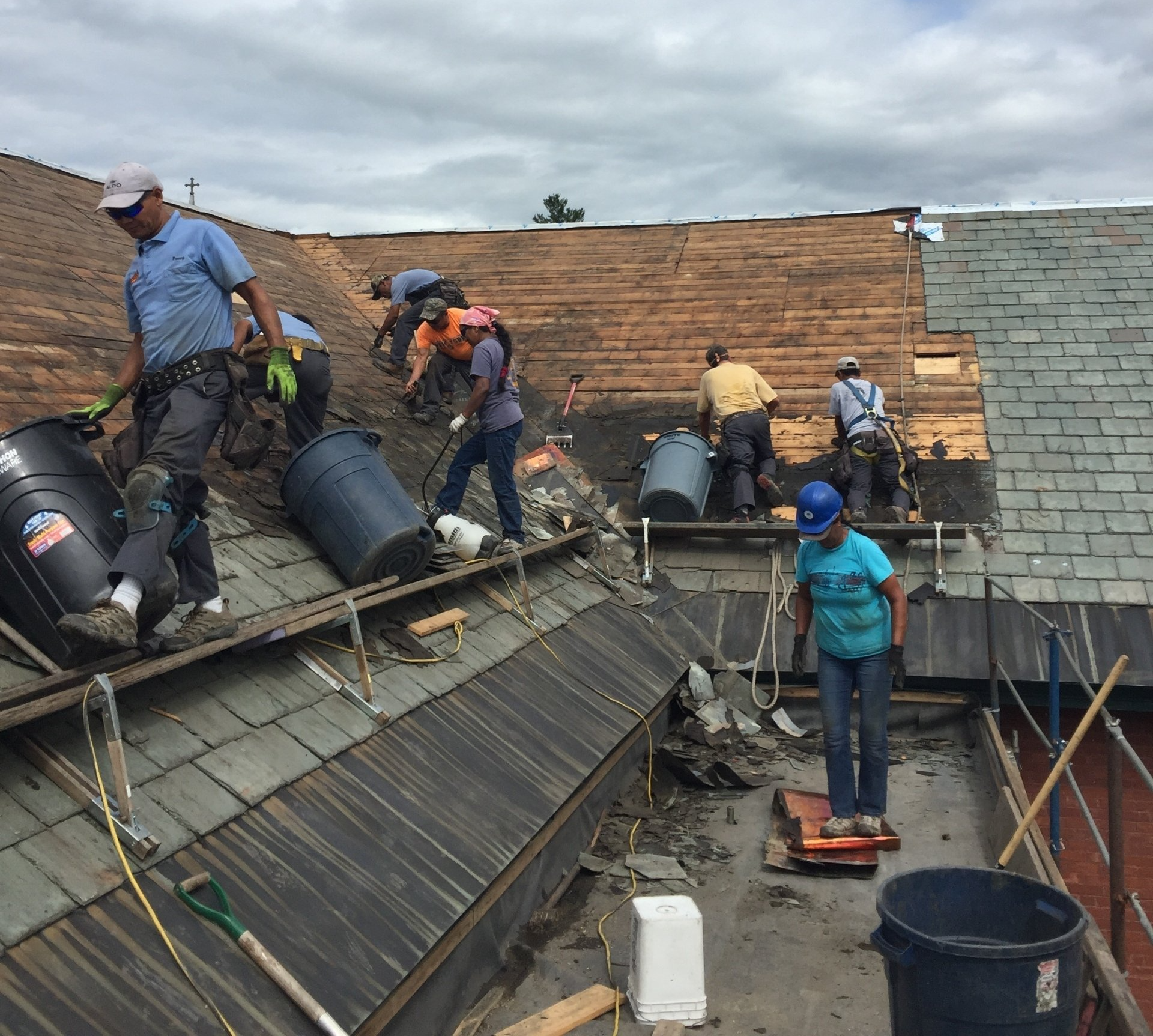
Staying Safe with Your Roof:
Essential Tips for Homeowners and the Importance of Professional Services
When it comes to roof maintenance and repairs, safety should always be your top priority. While you might be tempted to tackle roof-related issues yourself, it's crucial to remember that roofing work involves inherent risks. To ensure your safety and protect your home, here are some essential roof safety tips and why seeking professional help is always the best choice.
Avoid DIY Roof Work
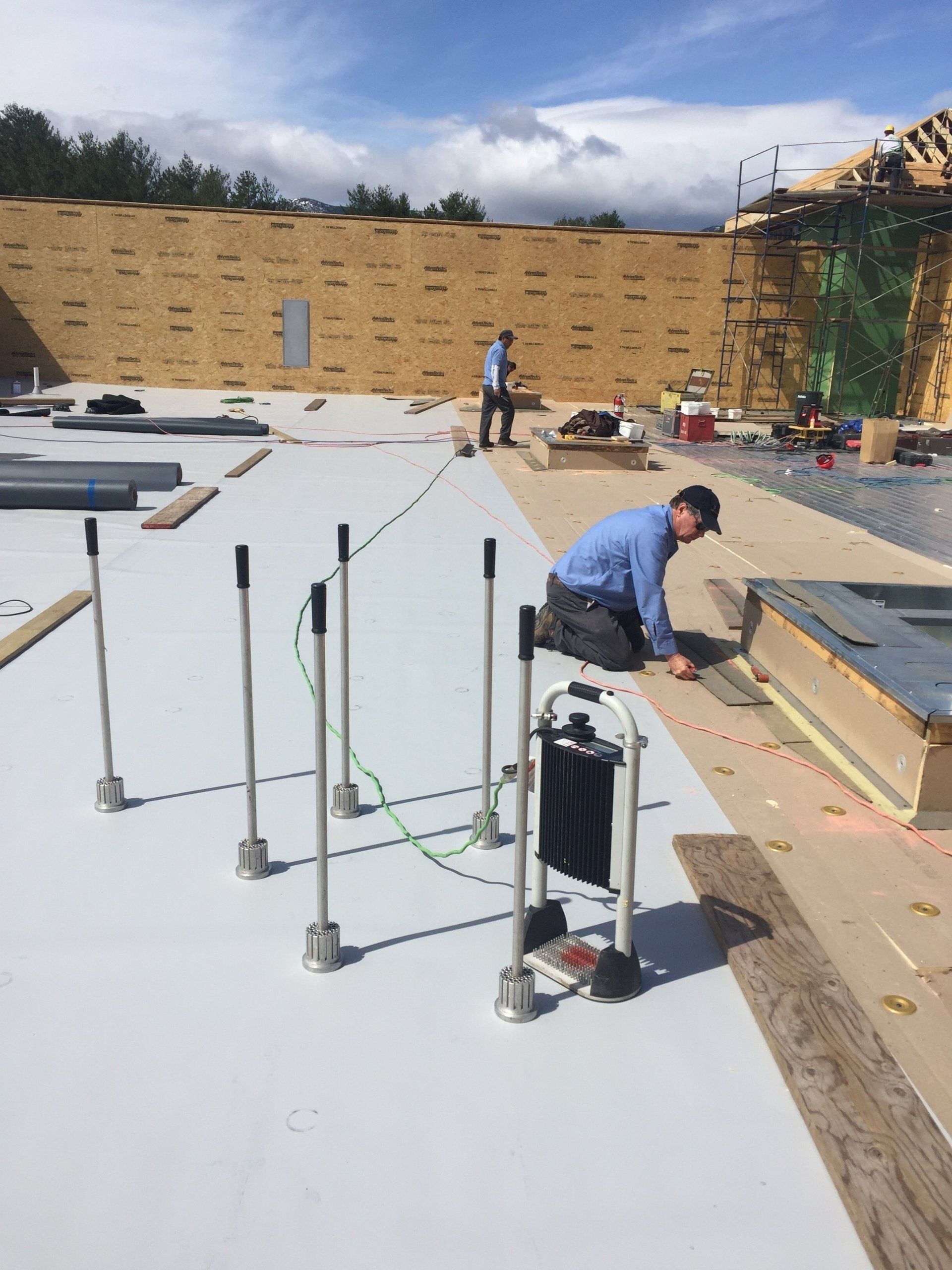
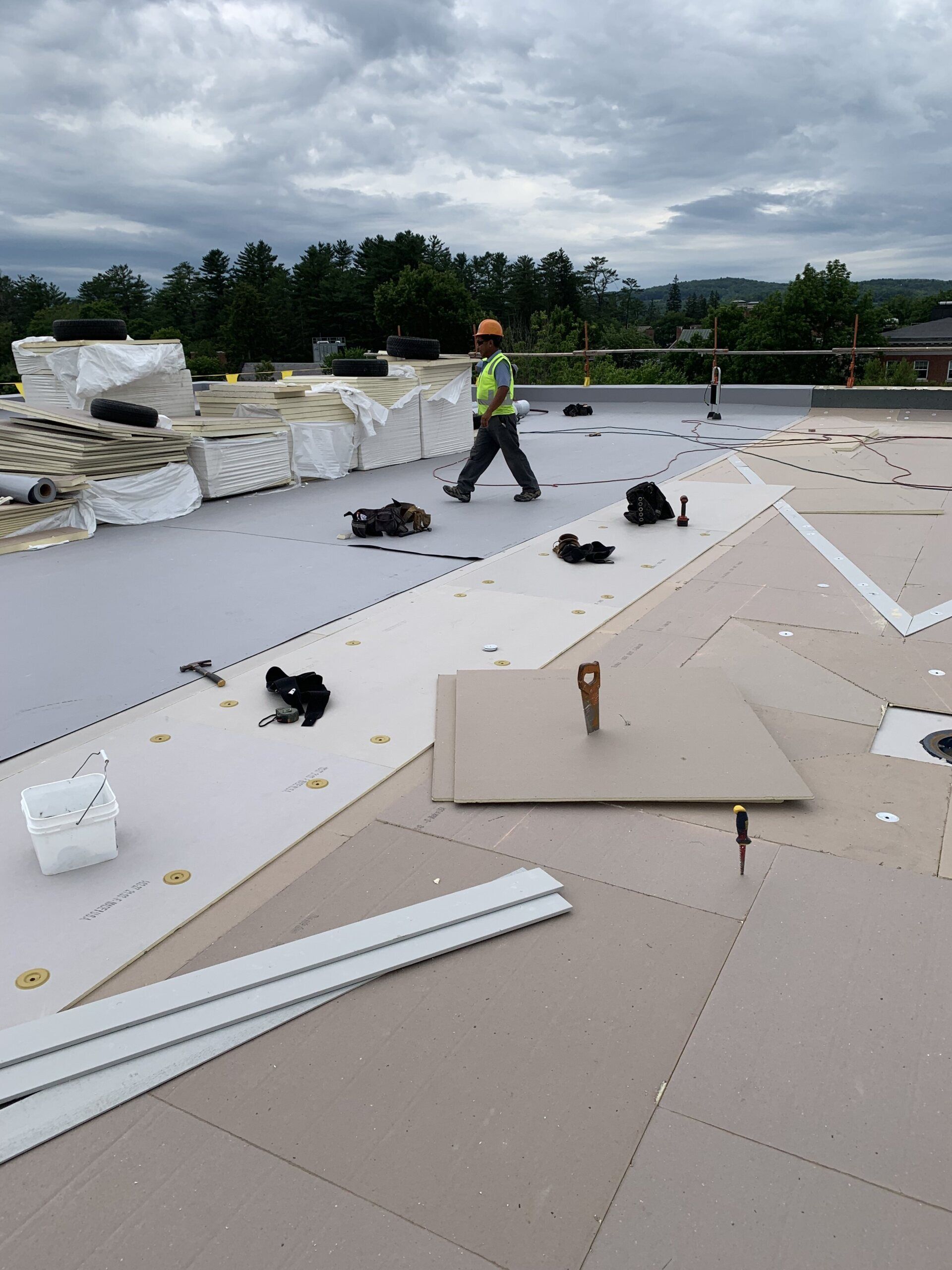
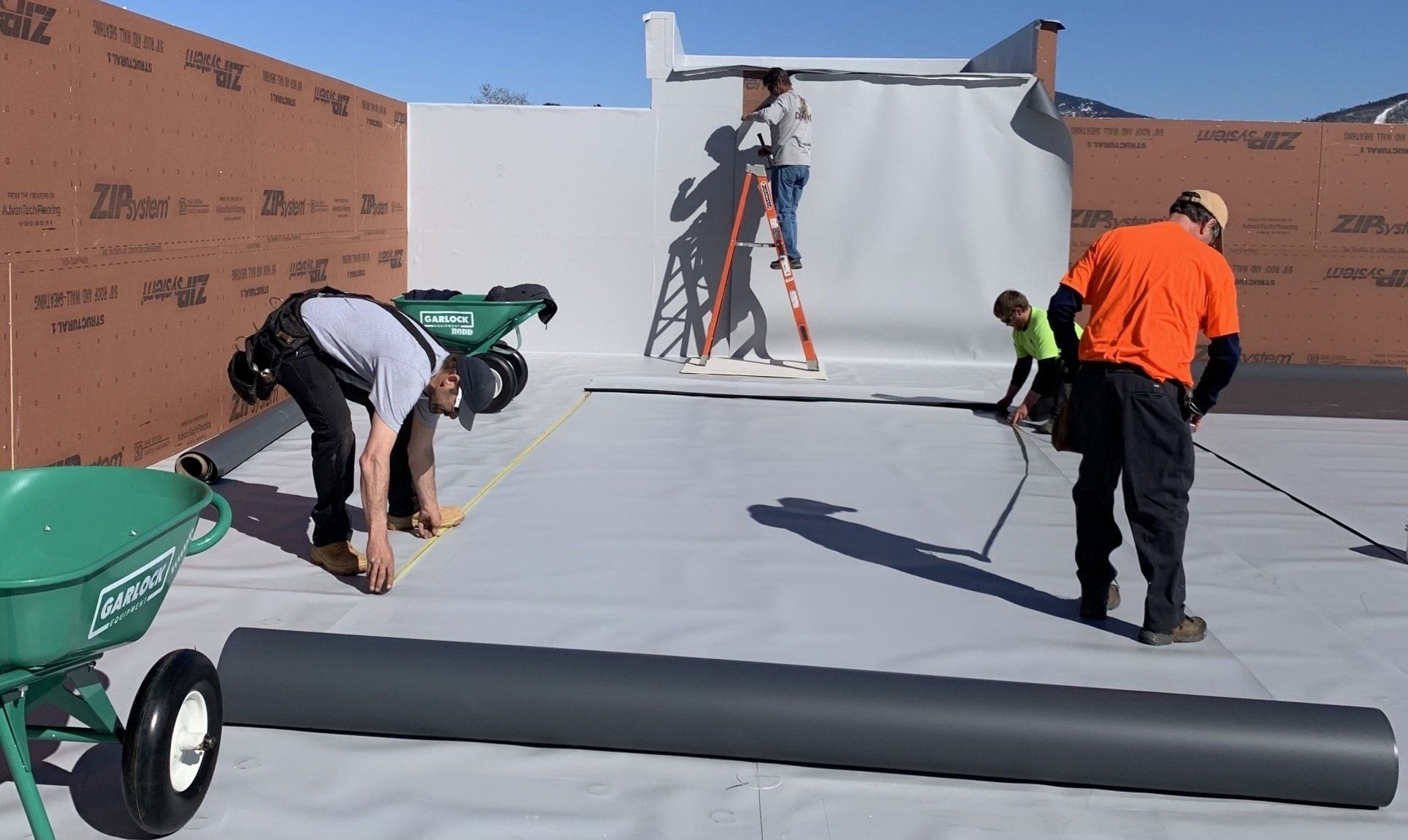
The first and most important safety tip is to avoid DIY roof repairs or inspections. Roofing work often requires climbing ladders, walking on steep surfaces, and handling heavy materials—all of which pose significant risks. Professional roofers have the training, experience, and equipment necessary to perform these tasks safely. Attempting to repair or inspect your roof without proper training can lead to dangerous falls and injuries.
Hire a Licensed Professional
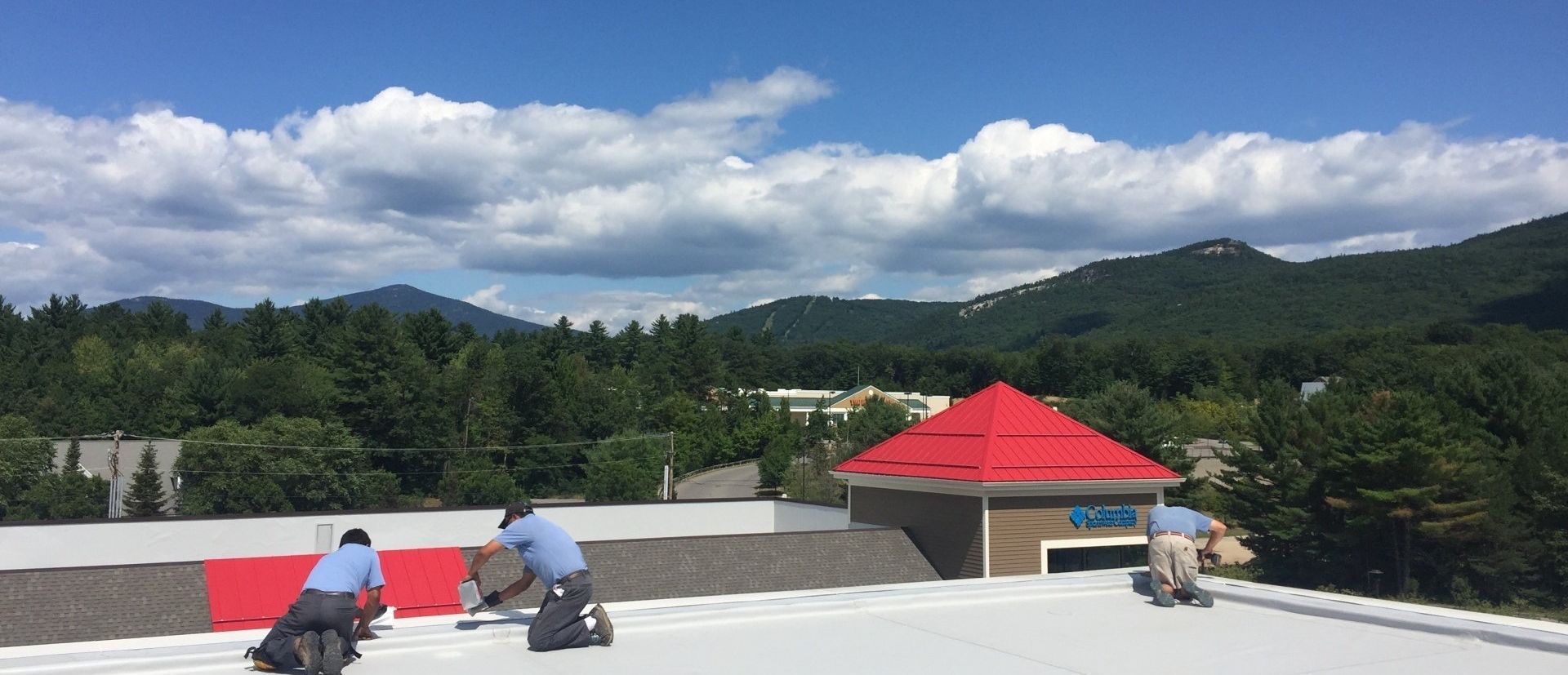
Always hire a licensed and insured roofing professional for any roof-related work. Licensed roofers have the expertise to handle various roofing issues and are knowledgeable about safety regulations. Their insurance coverage protects you from liability in case of accidents or damage during the repair process. Before hiring a contractor, check their credentials and reviews to ensure you’re working with a reputable professional.
Inspect Your Roof Regularly
While you should leave repairs to the professionals, regular inspections are important for identifying potential issues early. Look for signs of damage such as missing or damaged shingles, leaks, or debris buildup. Conduct these inspections from the ground using binoculars rather than climbing onto the roof. If you notice any issues, contact a professional roofer to assess and address the problem.
Maintain Safe Access
If you ever need to access your roof, ensure that it is done safely by professionals. Roofers use specialized ladders and harnesses to access roofs securely. If you need to have gutters cleaned or other non-roofing tasks performed, consider hiring professionals who can handle these jobs safely and efficiently.
Be Cautious of Weather Conditions
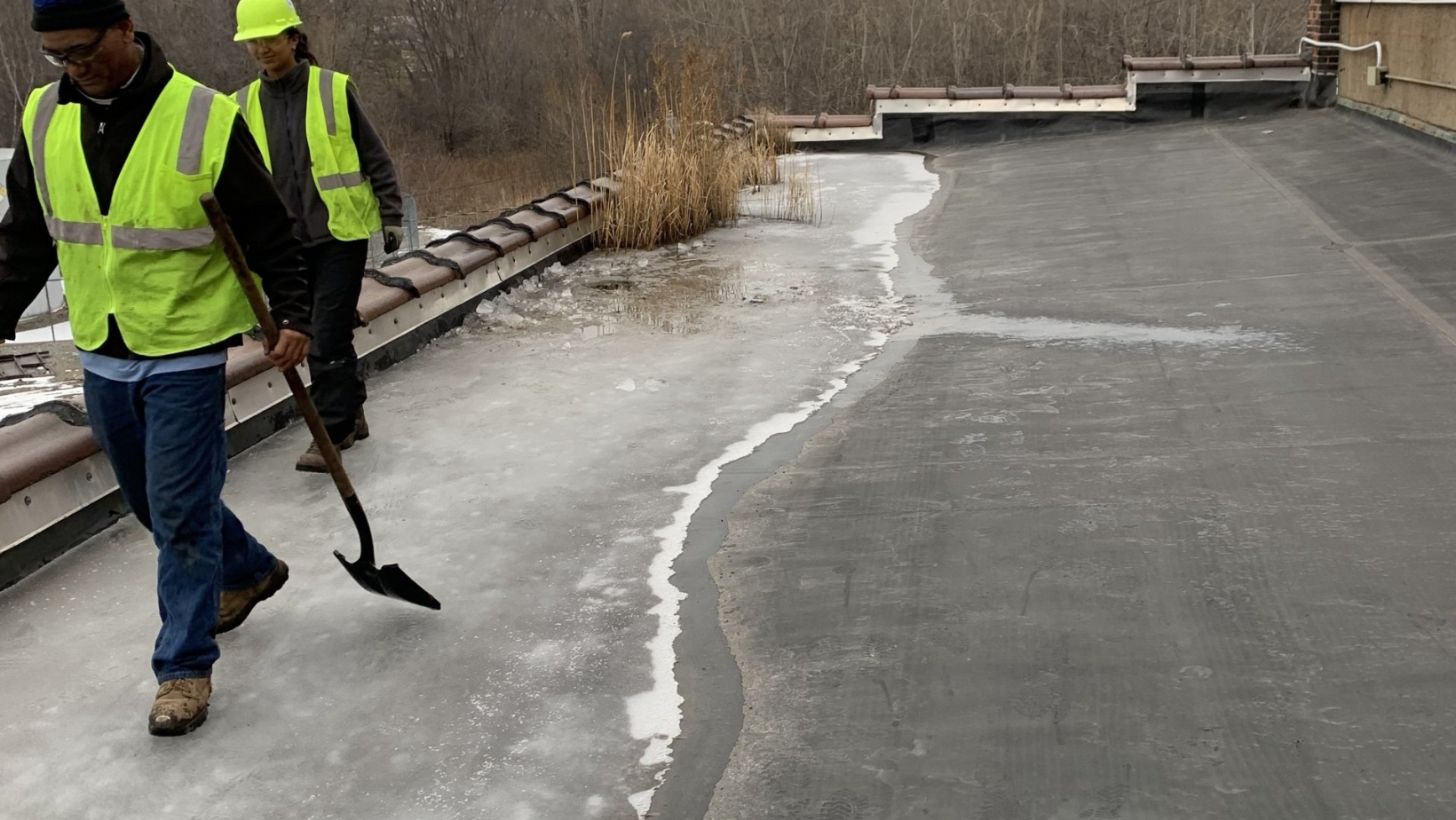
Weather conditions can greatly impact roof safety. Avoid scheduling roofing work during inclement weather such as heavy rain, strong winds, or snow. Slippery surfaces and adverse conditions can increase the risk of accidents. Professionals are trained to work under safe conditions and will reschedule work if weather poses a risk.
Check for Proper Ventilation
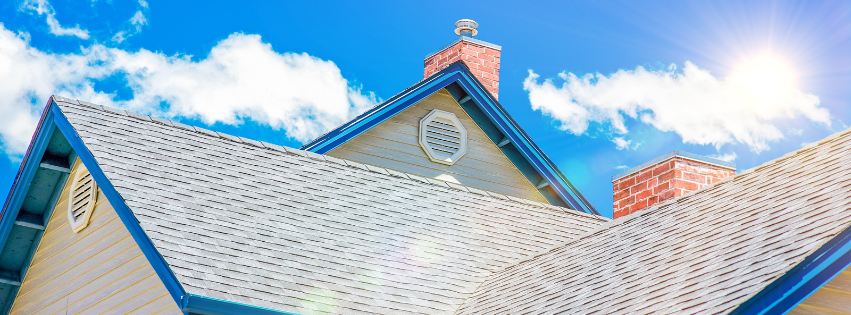
Proper roof ventilation is crucial for maintaining a safe and healthy home environment. Poor ventilation can lead to excessive heat and moisture buildup, which can damage your roof and compromise safety. Ensure that your roof has adequate ventilation by consulting with a roofing professional who can assess and recommend improvements.
Roof safety is a critical consideration for homeowners. To avoid accidents and ensure effective repairs, always leave roof work to licensed professionals. Regular inspections, safe access practices, and awareness of weather conditions will help you maintain your roof’s integrity and safety. Prioritizing professional help not only protects you but also ensures that your roof remains in excellent condition for years to come.