The Hidden Costs of Neglecting Roof Maintenance
The High Price of Roof Neglect
Avoid Costly Repairs and Damage with Regular Maintenance
Roof maintenance is often overlooked by property owners until a major issue arises. However, neglecting regular upkeep can lead to significant hidden costs that go beyond the initial repair expenses. A roof that’s not properly maintained can impact your building’s structural integrity, energy efficiency, and overall value. Here’s why maintaining your roof should be a top priority and what hidden costs you might face if you choose to neglect it.
Expensive Repairs or Premature Roof Replacement
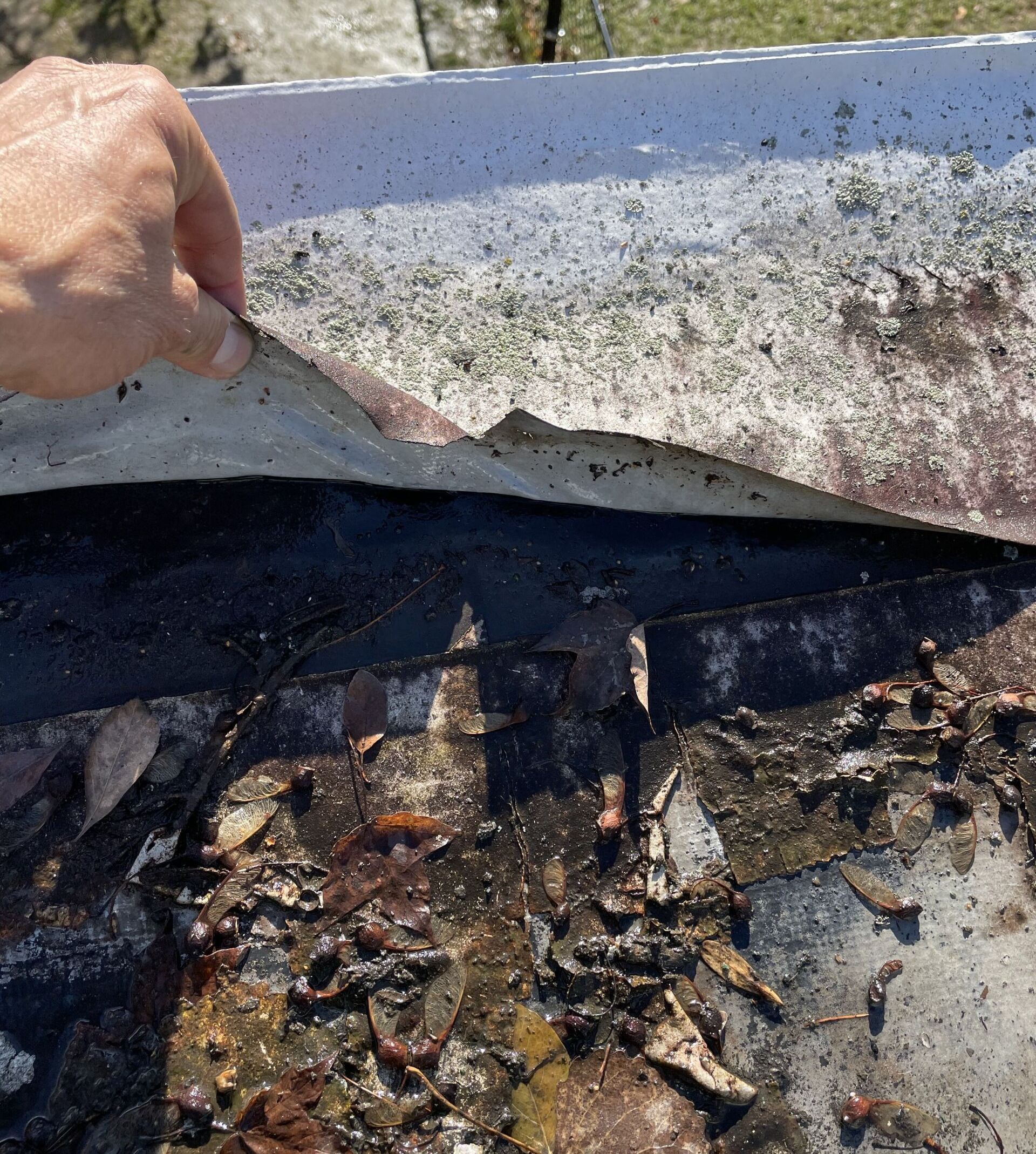
One of the most immediate and obvious consequences of neglecting roof maintenance is the need for costly repairs or even premature roof replacement. Small issues like missing shingles, leaks, or clogged gutters may seem insignificant at first but can quickly escalate into larger problems if left unaddressed. Water damage, for example, can cause rotting in the roof deck, leading to structural damage that requires extensive repairs.
In severe cases, neglecting these small fixes can shorten the lifespan of your roof, forcing you to replace it much earlier than expected. The cost of a new roof is significantly higher than regular maintenance or minor repairs, making proactive care a much more affordable option in the long run.
Increased Energy Costs
Your roof plays a critical role in regulating your home or building’s temperature. A well-maintained roof with proper insulation and ventilation helps keep the interior warm in the winter and cool in the summer. However, when a roof is damaged, it can create gaps or allow moisture to build up, reducing the efficiency of your insulation.
As a result, your HVAC system has to work harder to maintain a comfortable indoor temperature, leading to increased energy costs. A poorly maintained roof can significantly impact your energy bills, especially during extreme weather conditions. By investing in regular roof inspections and upkeep, you can prevent energy loss and keep your utility costs in check.
Water Damage & Mold Growth
A leaky roof is one of the most common consequences of neglected maintenance. Even a small leak can cause significant damage over time. Water that seeps through your roof can damage ceilings, walls, insulation, and even electrical systems. Over time, unchecked water intrusion can compromise the structural integrity of your building, leading to extensive and expensive repairs.
Beyond structural damage, moisture can also lead to mold and mildew growth. Mold not only causes damage to your property but can also pose health risks to the building’s occupants. Mold remediation is often expensive, and the costs can skyrocket if it spreads extensively throughout the property.
Decreased Property Value
A well-maintained roof is essential for maintaining your property’s value. If you neglect roof maintenance, the visible signs of damage, such as sagging, leaks, or missing shingles, can significantly reduce your home’s curb appeal. Prospective buyers are likely to be wary of purchasing a property with roofing issues, as they’ll anticipate expensive repairs down the road.
In addition to reducing curb appeal, a poorly maintained roof can decrease the resale value of your home or building. Buyers may request a price reduction or insist that you replace the roof before finalizing a sale. In contrast, a properly maintained roof can boost property value and give potential buyers peace of mind.
Neglecting roof maintenance comes with hidden costs that can quickly add up, from expensive repairs and higher energy bills to water damage and decreased property value. Regular roof inspections and proactive maintenance can help you avoid these issues, ensuring your roof remains in good condition for years to come. By investing in routine care, you’ll protect your property, save money in the long run, and maintain its value.