
Steps to Prep Your Roof and Gutters for Winter
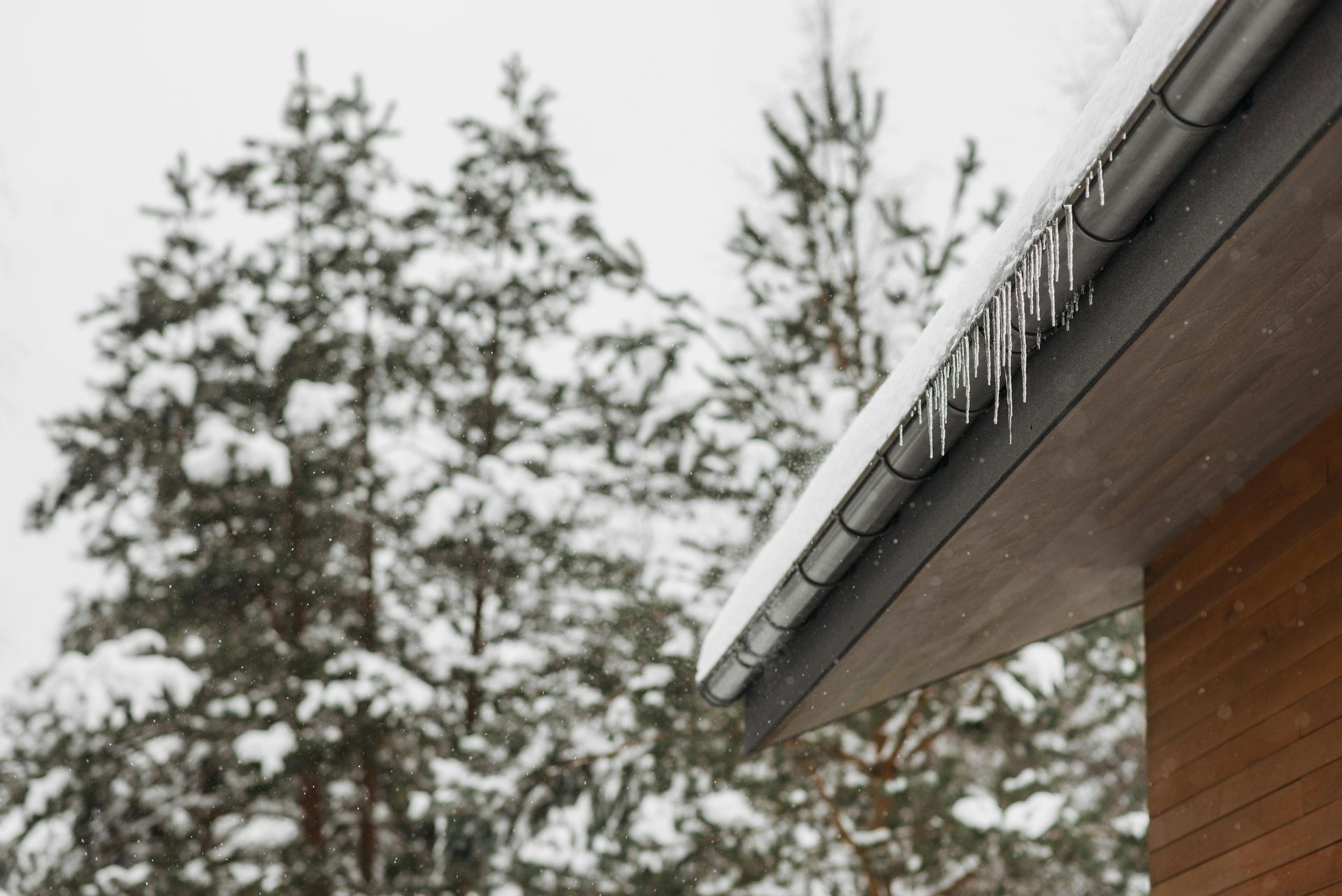
Winter-Ready Roofing:
Essential Steps to Protect Your Home
Winter can be a harsh season for roofs and gutters, as freezing temperatures, snow, and ice buildup can cause severe damage if they're not prepared correctly. Following these essential steps can help protect your home from costly repairs, but remember, while DIY solutions are popular, hiring a professional ensures safe, thorough, and lasting results.
Inspect Your Roof for Damage
Before winter hits, it's vital to check for any damage on your roof, including missing shingles, cracks, and areas that may be vulnerable to leaks. Damaged shingles can let in moisture, which can freeze, expand, and worsen the problem. A professional roofing contractor has the expertise and equipment to perform a thorough inspection and identify subtle issues that might go unnoticed in a DIY inspection.
Clear Debris from Rood & Gutters
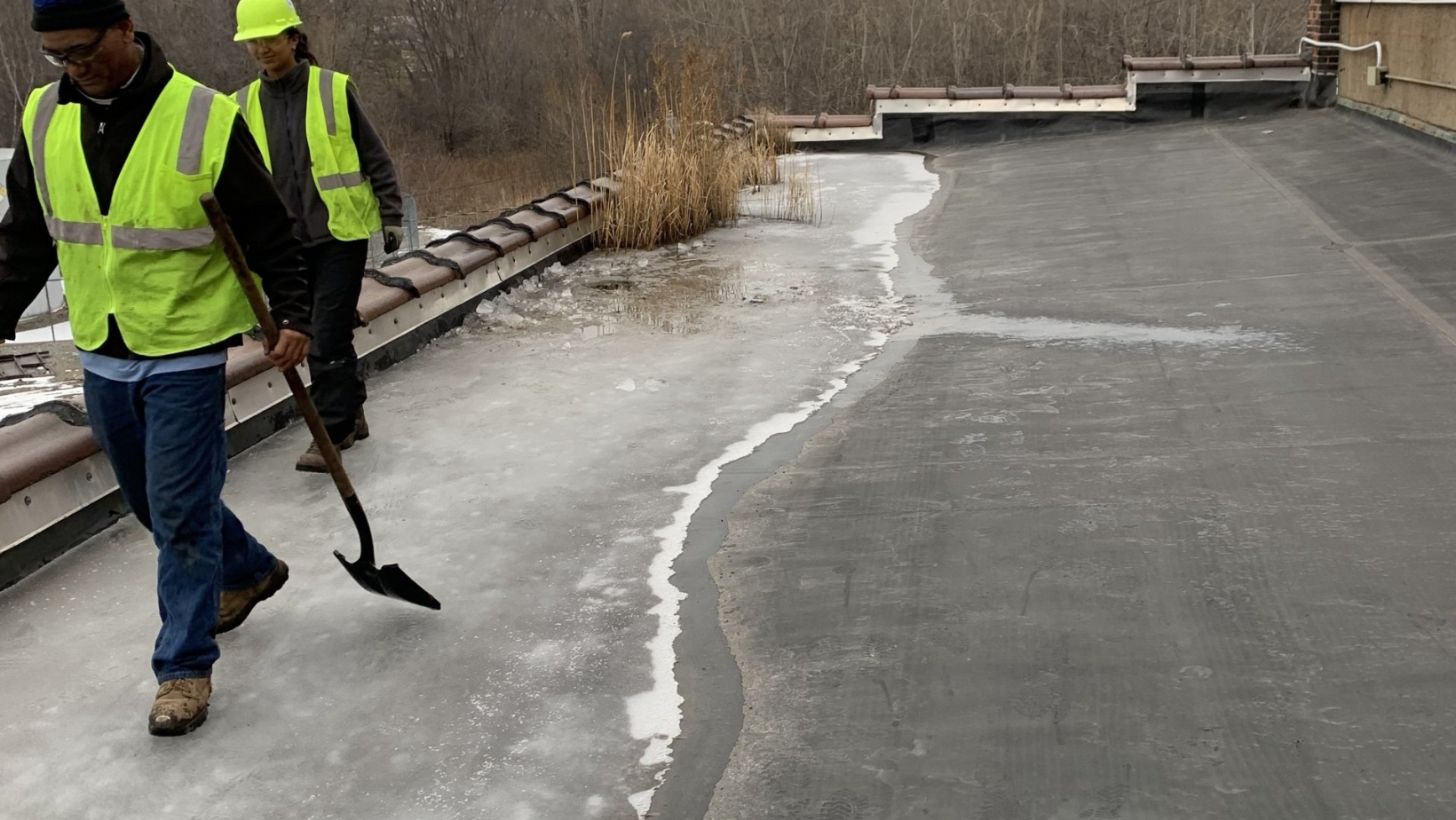
Leaves, twigs, and other debris often accumulate on roofs and in gutters during fall. This buildup can block water flow and cause ice dams—thick ridges of ice that form at the edge of the roof. Ice dams can prevent melted snow from draining, causing water to back up and leak into your home. A professional team can safely clear debris, protecting you from the risks of climbing ladders and walking on potentially slippery roofs.
Trim Overhanging Branches
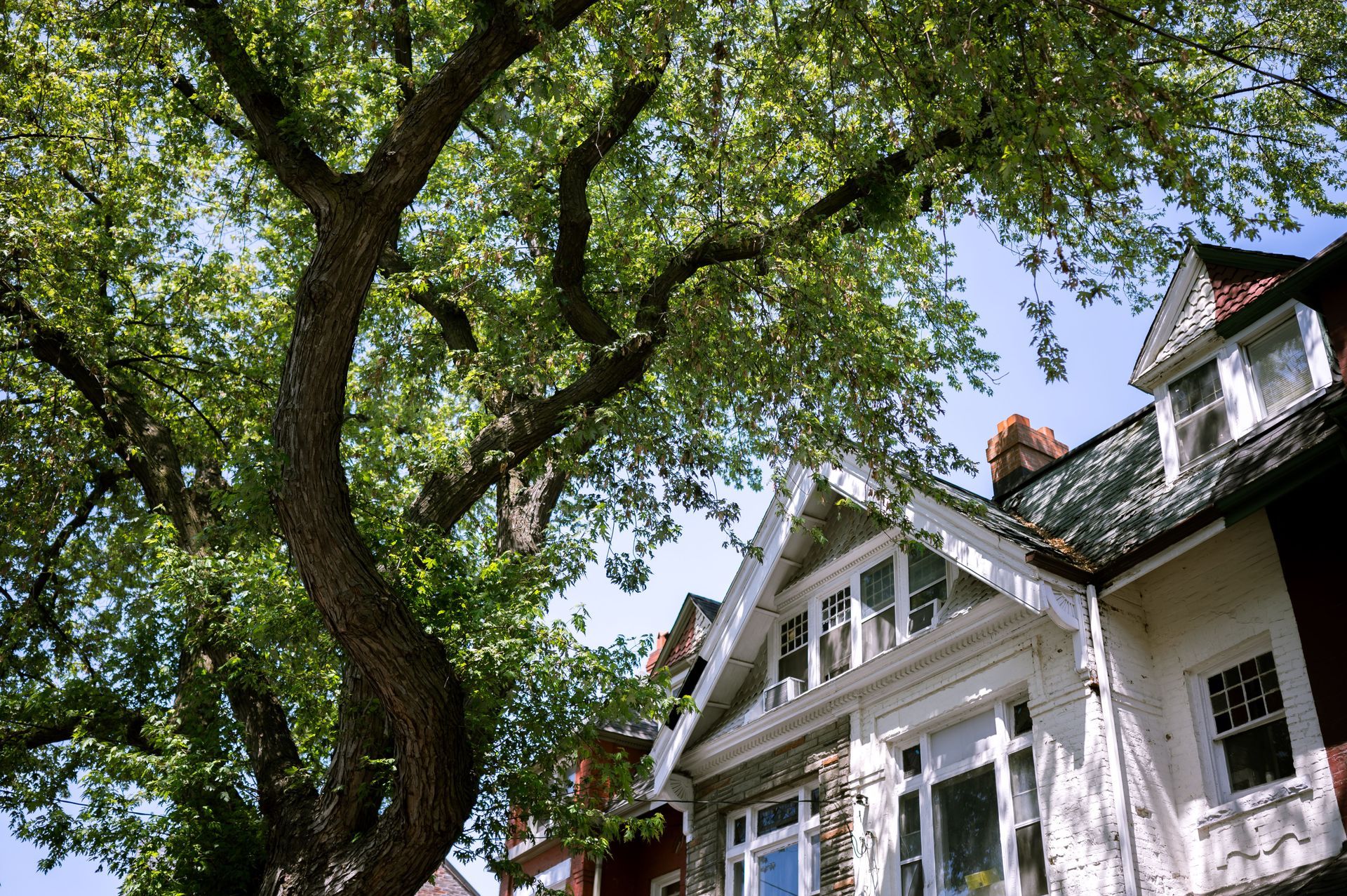
Overhanging branches can deposit more leaves and increase the risk of branches breaking and damaging the roof. Trimming these branches before winter storms begin can reduce the chance of debris accumulating in gutters and prevent any heavy branches from falling on your roof. Arborists or roofing specialists often offer tree-trimming services, and their expertise can help keep your home safe while ensuring the health of nearby trees.
Check & Repair Flashing & Sealants
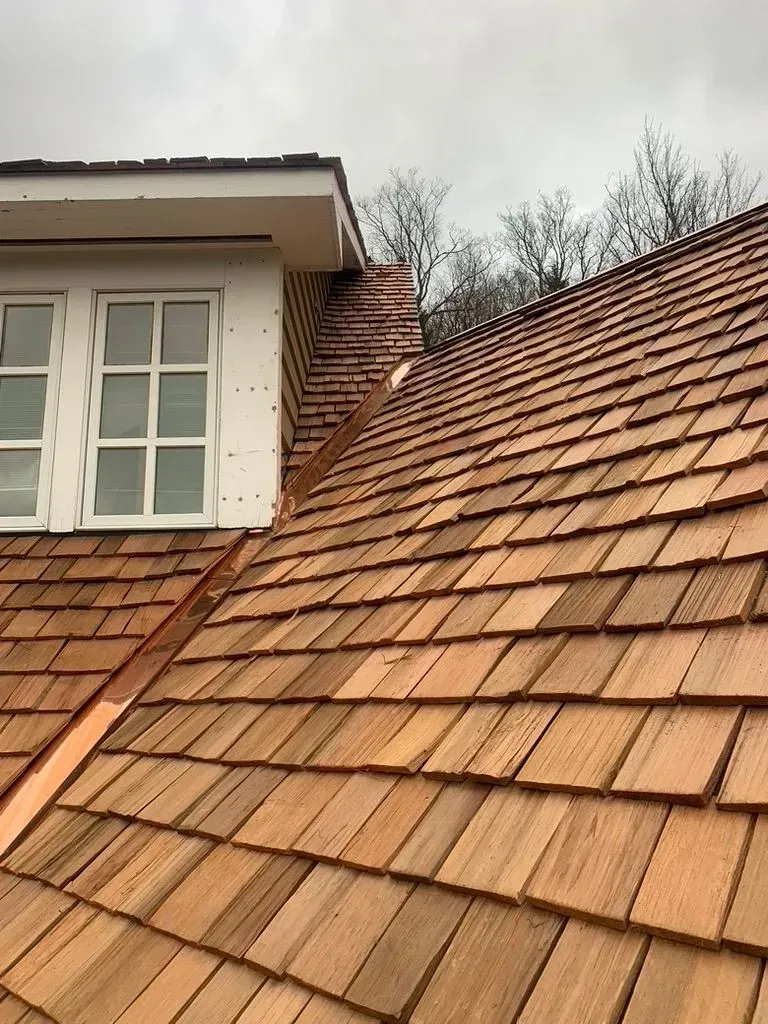
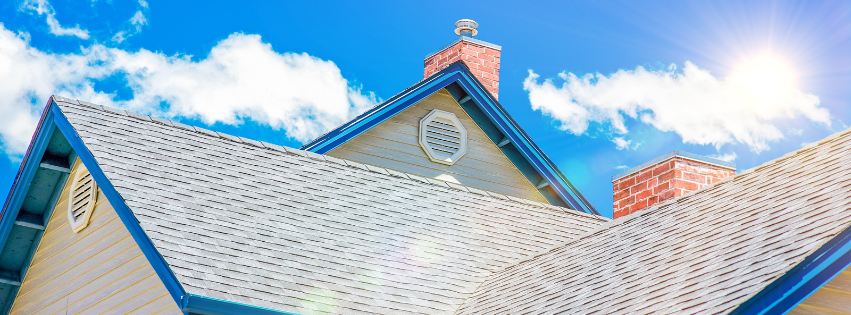
Flashing around chimneys, vents, and skylights is essential for keeping out water, but it can wear down over time. Any cracks or gaps should be repaired before winter to prevent leaks. Likewise, old sealants around seams and joints can crack and let water seep in, potentially causing mold or structural damage. Hiring a professional to inspect and repair flashing and sealants ensures that your roof is properly sealed against winter weather.
Install Gutter Guards
Gutter guards help keep out debris and can reduce the frequency of cleaning. They’re especially helpful in snowy climates, as they can prevent ice dams from forming by allowing snow to melt and drain properly. A professional installation is recommended for this step to ensure a custom fit and optimal performance.
Preparing your roof and gutters for winter is essential for protecting your home. While DIY approaches may seem economical, investing in professional help provides peace of mind, enhances safety, and ensures your roof is ready for the season ahead.