Standing Seam Metal Roof Systems: Retrofit Roofing
Standing Seam Metal Roof Systems: Retrofit Roofing
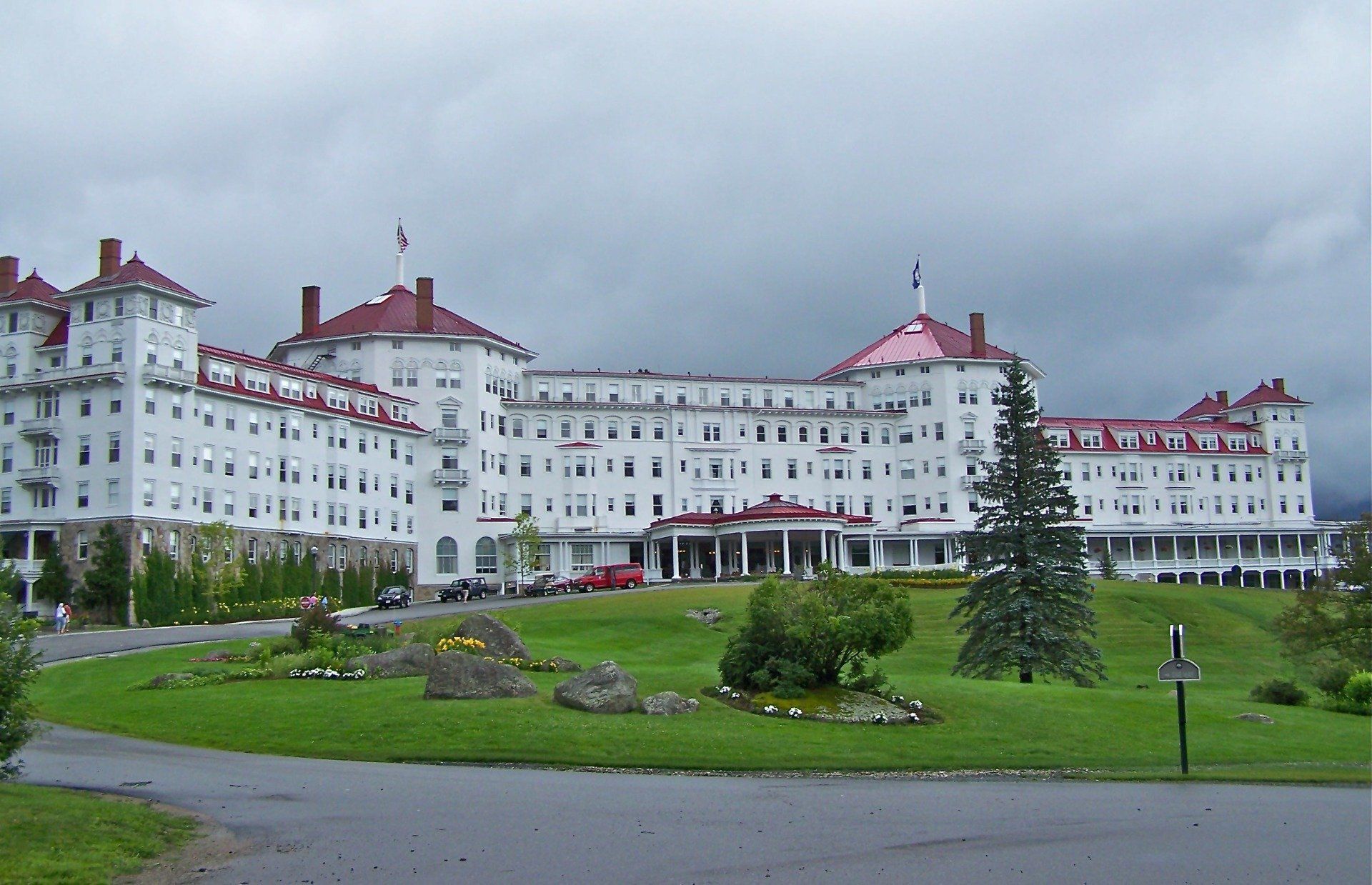
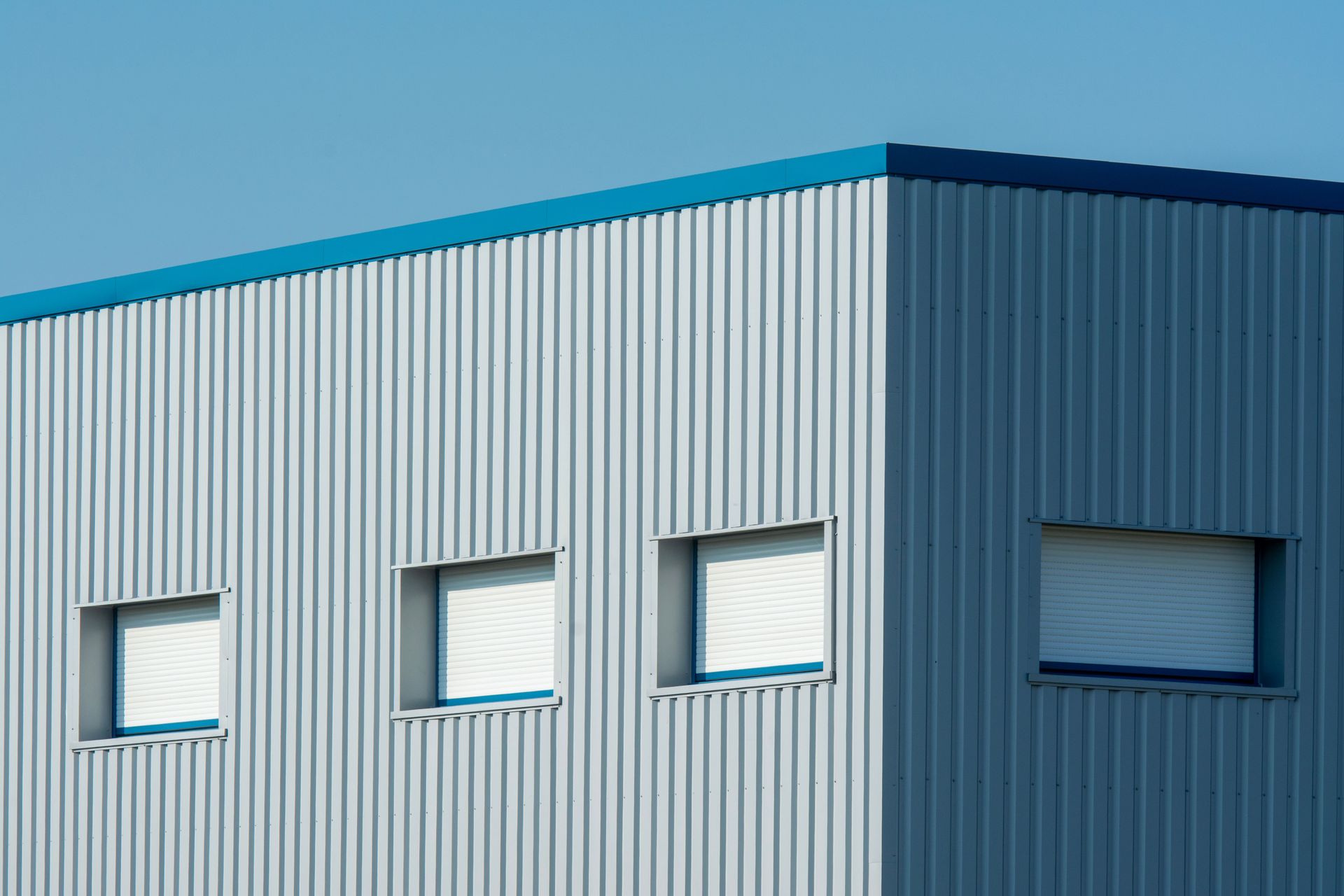
For commercial buildings, there are two types of standing seam metal roofing systems.
Architectural systems are generally steeper pitched and designed to be visible from the ground level, producing a pleasing appearance that compliments the structure. Structural standing seam metal roofing systems are used on low-slope structures where the rooftop is not visible from the ground and are more utilitarian than beautiful.
Metal roofing is simple and cost-effective to install during construction, provides consistent weather protection, and, if correctly installed, will last for many many years. Hundreds of billions of square feet have been erected, with an additional two billion installed every year.
Issues with Metal Roofs
While structural standing seam metal roofs can last for many years, they will ultimately loosen up and leak. Leaking metal roofs can harm building contents and pose a risk to residents if left unattended, but they can also cause structural damage. Spring is the ideal time to evaluate roof systems because the snow and ice are melting, revealing any issues that may have formed throughout the winter.
Here are some of the challenges that all metal roofing systems, whether structural,
corrugated, low slope, or steep slope, face:
Thermal Forces
Perhaps the most significant cause of damage to metal roofing is the constant movement due to changes in temperature both daily and from season to season. Seams open and cracks form at fasteners, penetrations, and changes in plane at a parapet or peak due to the continual expansion and contraction inherent in metal. Because standing seam roofs are comprised of strong metal sheets that are linked together, thermal forces will eventually wear and harm a metal roof.
Corrosion
Moisture's long-term effect on metal is well-known. Corrosion or rust is caused by water in the form of dew or precipitation coupled with chemicals from air pollution or industrial or manufacturing activity, which finally grow into holes. Hail, roof top traffic, and rooftop maintenance can all cause corrosion and holes in metal roof coatings.
Taking Care of Metal Roof Issues
There are a variety of options for repairing or re-roofing a metal roof system, some of which are highly effective and others which are classified as temporary or fixes.
Roof Coating Restoration (RCR)
This is the most cost-effective approach for encapsulating an existing low-pitch metal roof under one continuous flexible membrane. The flexibility and tensile strength of the silicone coating allows for thermal movement without disruption to the membrane. The coating can be applied every 20 years providing a long term watertight solution.
Spray-on Foam with Coating
Given how effectively the original roof served, SPF applied on top of the metal panels and topped with a liquid-applied coating may be a viable solution. The expense of replacing the metal roof with new metal is high, and it can cause significant disruption to the building's activities.
During the metal replacement, the building will be open to the outside environment, allowing weather, toxins, and wind into the functioning facility, endangering operations, contents, and personnel.
Metal Retrofit
The process of covering a metal roof with rigid insulation and a TPO single-ply membrane is known as a Metal Retrofit System.
The Metal Retrofit System easily covers an existing metal roof while also boosting a building's energy efficiency.
Sure-Weld TPO membranes combine the flexibility of EP rubber with the heat weldability of polypropylene using modern polymerization technology. OctaGuard XTTM, a mix of industry-leading weathering chemicals, is included in all Sure-Weld TPO membranes, allowing Sure-Weld TPO to survive the test of time. TPO membranes from Carlisle are available in highly reflective white, tan, and gray colors, as well as 45-mil and 60-mil thicknesses. 80-mil Sure-Weld Extra comes in a variety of hues, including white, gray, and tan.