Most Common Roofing Problems in the Winter
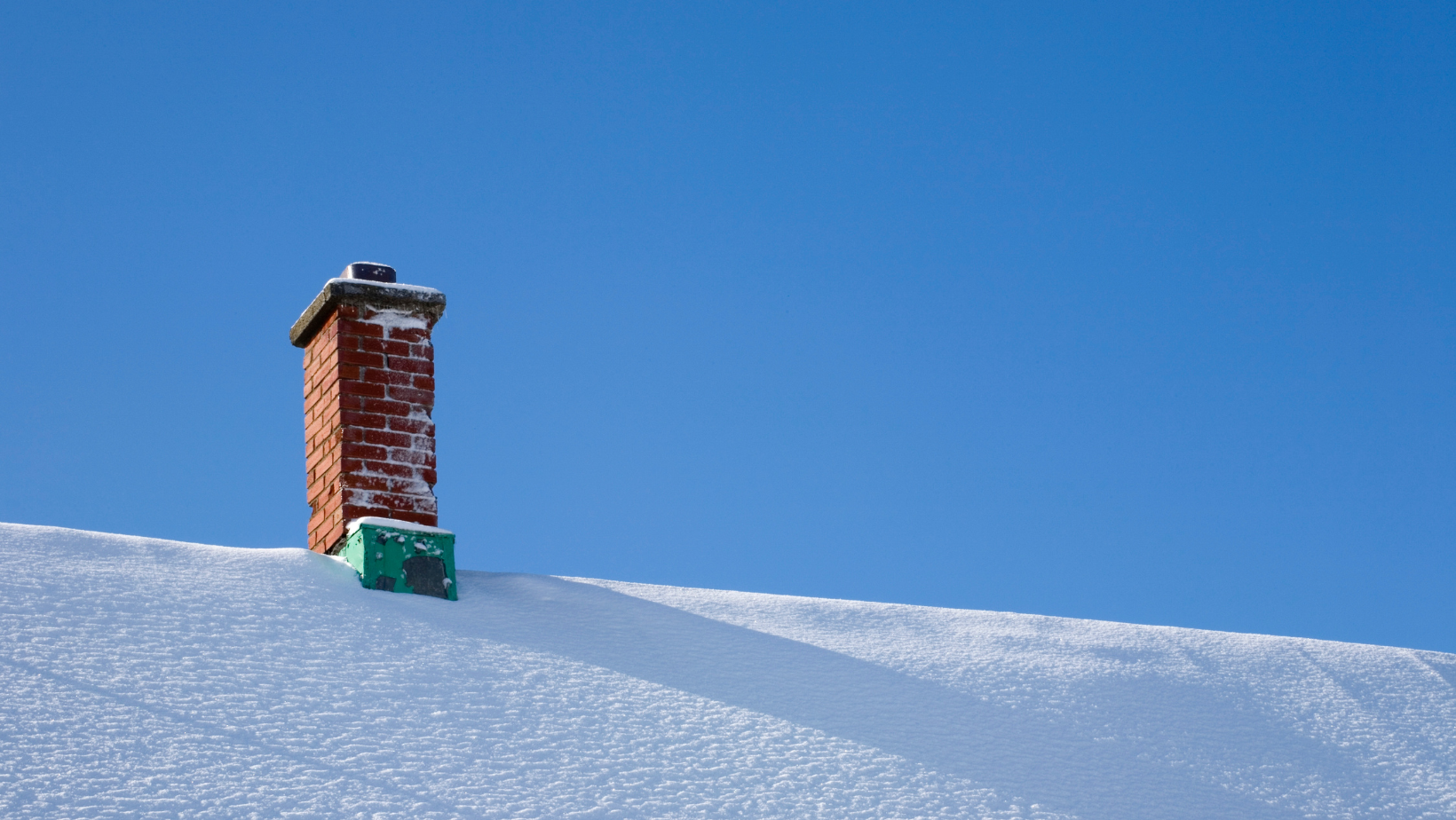
Protect Your Roof This Winter
Winter brings a unique set of challenges to homeowners, and one area that often bears the brunt of the season's harsh weather is your roof. The cold temperatures, snow, ice, and freezing rain can all take a toll on your roofing system. In this blog post, we'll explore the most common roofing problems that arise during the winter months and provide tips on how to prevent and address them.
Common Problems and Prevention
Ice Dams
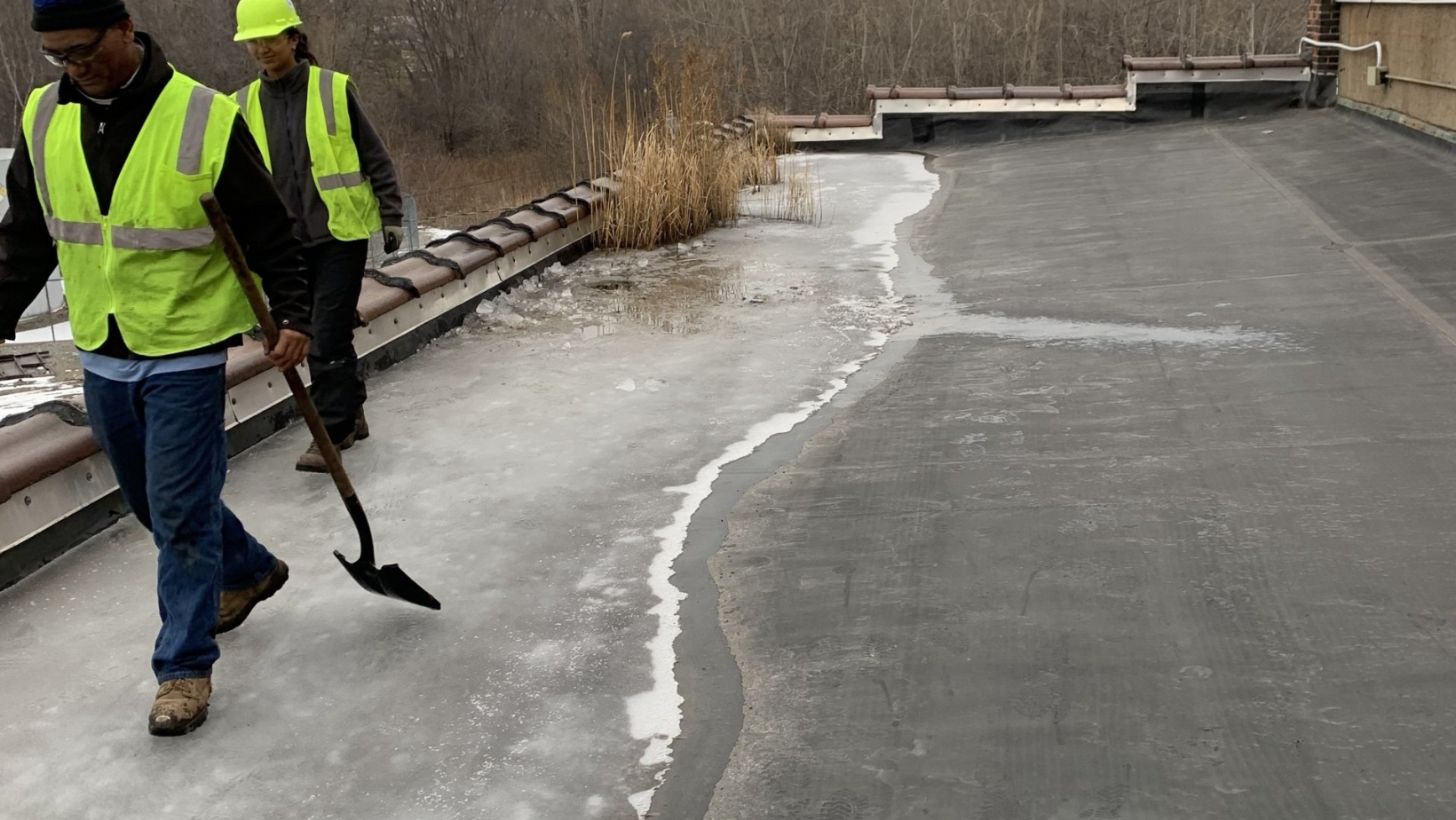
Ice dams are a frequent issue during the winter months, particularly in regions with cold and snowy climates. They occur when heat from your home escapes into the attic, causing the snow on your roof to melt. This melted snow then refreezes at the eaves, creating a dam. As more snow melts, it can back up behind the dam and seep under your shingles, causing leaks and potential damage to your roof and interior.
Prevention:
Proper insulation and ventilation in your attic can help prevent ice dams by maintaining a consistent temperature on your roof. You can also use roof rakes to safely remove snow buildup from your roof before it has a chance to melt and refreeze.
Snow Accumulation
Heavy snow accumulation can put significant stress on your roof's structure, especially if it's not designed to handle a heavy load. Over time, this weight can cause damage to your roof, leading to leaks or even structural issues.
Prevention:
If you live in an area prone to heavy snowfall, consider investing in a snow removal service to clear your roof after major snowstorms. Additionally, consult with a roofing professional to ensure your roof can withstand the weight of snow.
Roof Leaks
Winter weather can exacerbate existing roof issues and lead to leaks. The expansion and contraction of roofing materials due to temperature fluctuations can cause cracks or gaps to form, allowing water to infiltrate your home.
Prevention:
Regular roof inspections and maintenance are essential to identify and address potential issues before they become major problems. Ensure that your roof is free of debris and that your shingles, flashing, and seals are in good condition.
Condensation
Condensation can occur when warm, moist air from your home rises into your attic and comes into contact with a cold roof deck. This can lead to moisture buildup, which can contribute to mold growth and structural damage over time.
Prevention:
Proper attic insulation and ventilation are key to preventing condensation. Ensure that your attic is well-insulated and that vents are clear and functioning correctly to allow excess moisture to escape.
Clogged Gutters & Downspouts
Clogged gutters and downspouts can be a significant problem in the winter. When leaves and debris block the flow of water, it can freeze and create ice dams. Additionally, the weight of ice in clogged gutters can pull them away from the roofline.
Prevention:
Regularly clean your gutters and downspouts, especially in the fall, to prevent debris buildup. Consider installing gutter guards to minimize the amount of debris that enters your gutters.
While winter can be a beautiful season, it can also pose significant challenges for your roofing system. Ice dams, snow accumulation, roof leaks, condensation, and gutter issues are some of the most common problems homeowners face during the colder months. Regular maintenance, proper insulation, and professional inspections are key to preventing and addressing these issues. If you suspect any roofing problems during the winter, don't hesitate to contact roofing professionals to assess and repair the damage promptly. A well-maintained roof will help keep your home warm and dry throughout the winter season.