How Proper Roof Drainage Prevents Long-term Damage
Preventing Roof Damage:
Why Proper Drainage Is Key to Longevity
A well-maintained roofing system is critical for protecting your building, but often, roof drainage systems don’t get the attention they deserve. Improper drainage can lead to serious long-term issues, from structural damage to costly repairs. Understanding how roof drainage works and why it’s essential can save you time, money, and stress in the future.
The Importance of Roof Drainage
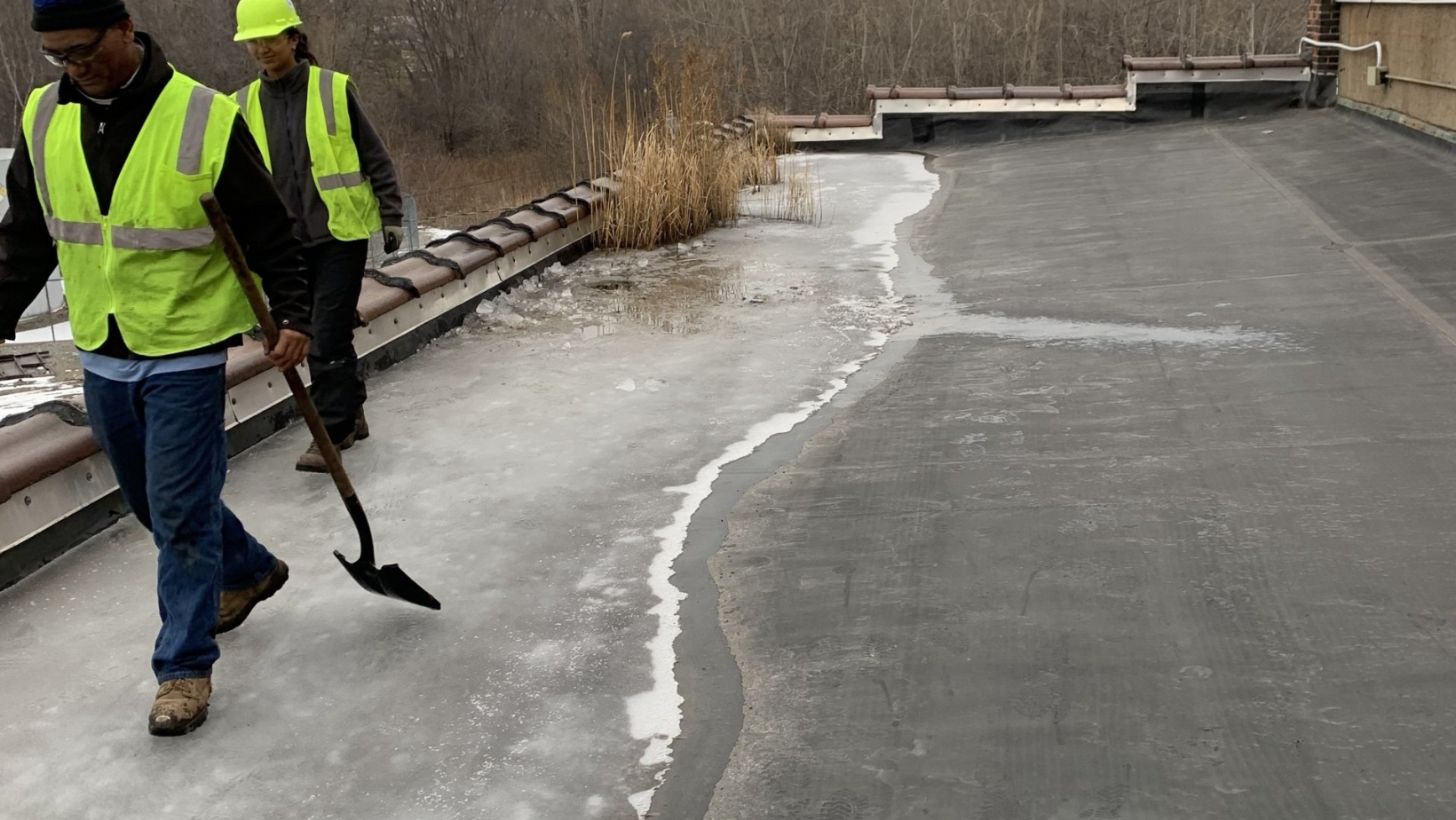
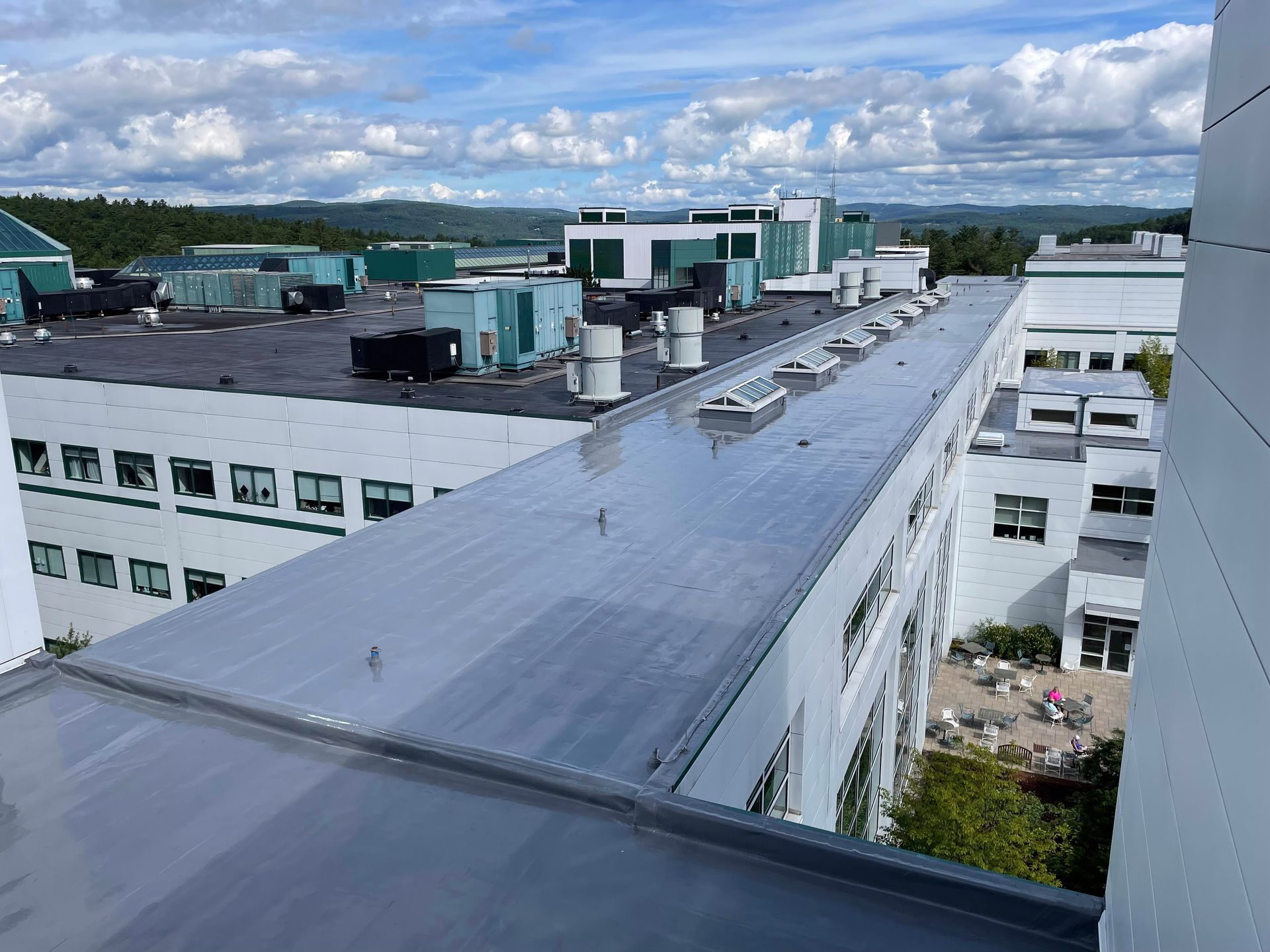
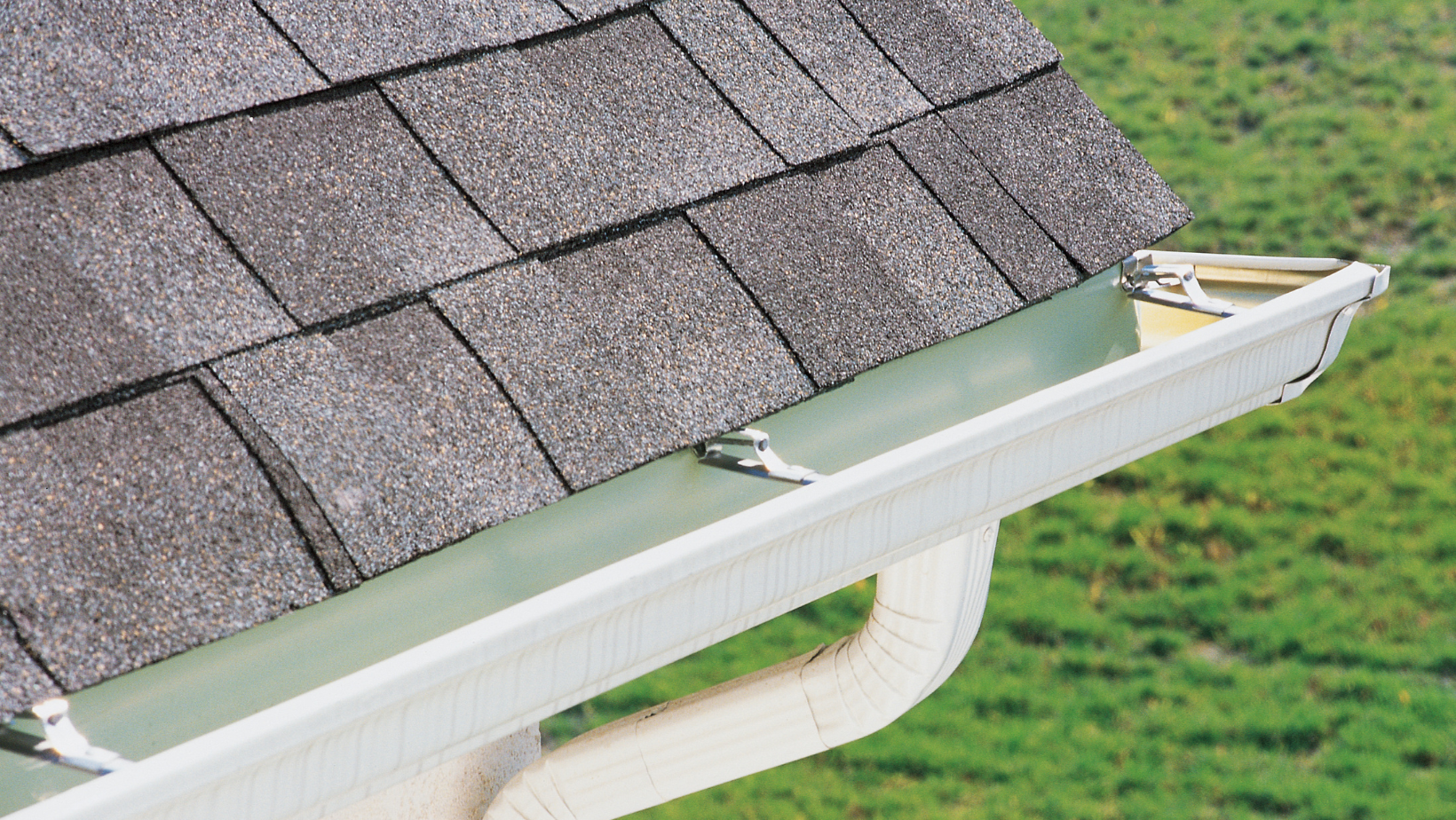
Roof drainage systems are designed to channel water away from the roof surface and the building foundation. Whether through gutters, downspouts, or internal drainage systems, the goal is to prevent water from pooling or infiltrating roofing materials. Without effective drainage, water can accumulate, leading to a host of problems, especially for flat or low-sloped commercial roofs.
Consequences of Poor Roof Drainage
- Water Pooling and Roof Leaks:
Standing water can weaken roofing materials, causing them to degrade over time. It also increases the likelihood of leaks, which can damage insulation, ceilings, and other interior components of your building. - Structural Damage:
Excess water weight from pooling can stress the roof’s structure, potentially causing sagging or even collapse. Over time, water seeping into the building can compromise walls, foundations, and other structural elements. - Mold and Mildew Growth:
Poor drainage creates damp conditions that promote mold and mildew. This not only damages materials but also poses health risks to occupants. - Clogged Gutters and Downspouts:
Debris buildup in gutters and downspouts prevents water from flowing freely, forcing it to overflow onto walls, windows, or the building’s foundation, causing erosion and water damage.
How to Ensure Proper Roof Drainage
- Regular Maintenance and Inspections:
Schedule regular inspections to check for debris, damage, or blockages in your drainage system. Promptly address any issues to maintain optimal functionality. - Install the Right System for Your Roof:
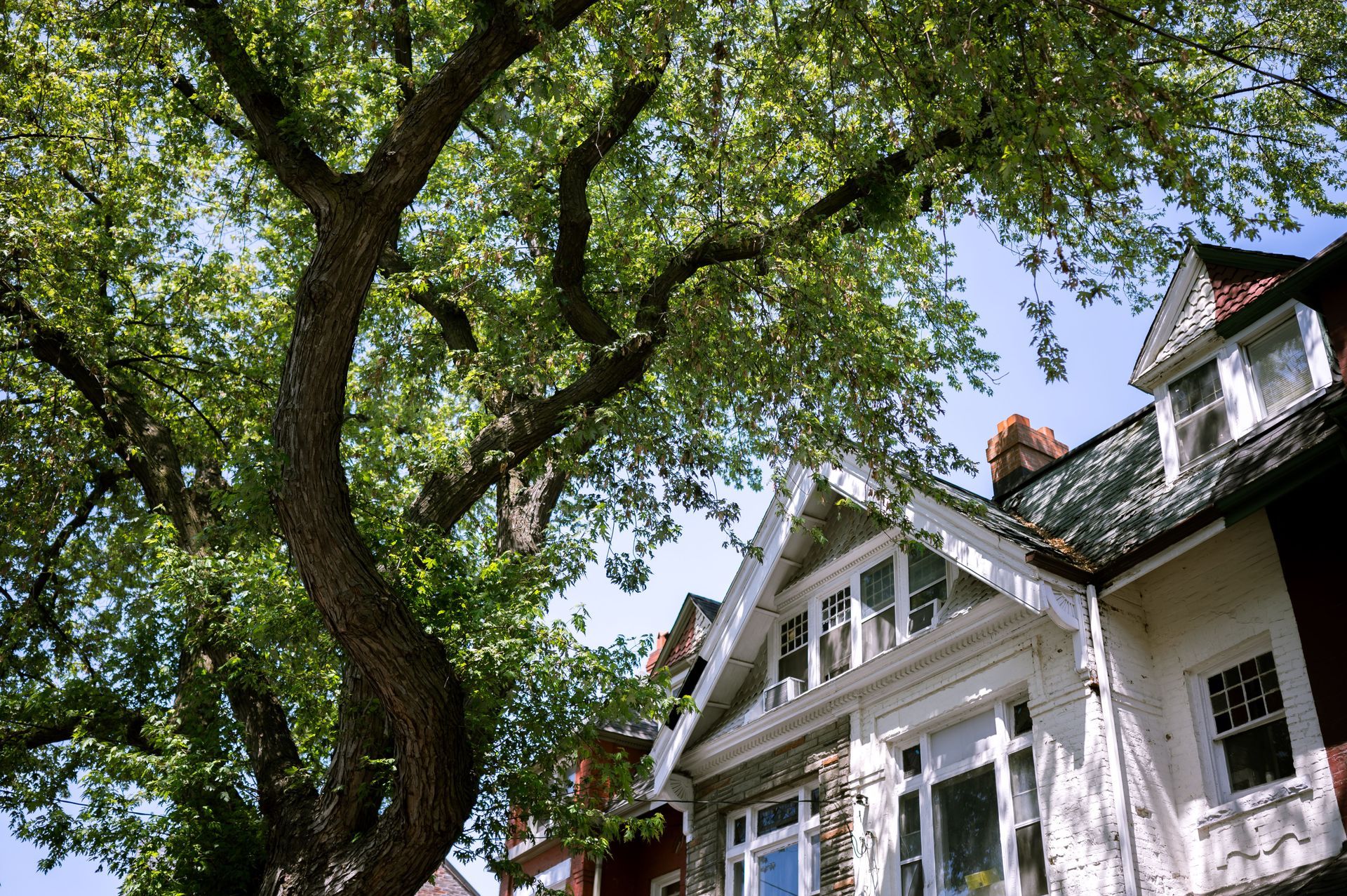
Flat roofs often require internal drains or scuppers, while sloped roofs benefit from gutter systems. Ensure your drainage solution is tailored to your roof design and building needs. - Keep Gutters and Drains Clean:
Regularly clear leaves, branches, and debris to prevent clogs. Investing in gutter guards can reduce maintenance needs and improve efficiency. - Ensure Proper Slope and Pitch:
Roofs must be designed with adequate slope to direct water toward drains. A professional roofing contractor can assess and adjust this as needed.
By ensuring proper roof drainage, you can extend the life of your roof, prevent costly repairs, and protect your building’s structural integrity. Get in touch with Rodd Roofing today to evaluate your drainage system and keep your property safe!