How Often Should You Recoat Your Roof?
What To Know About Roof Coatings
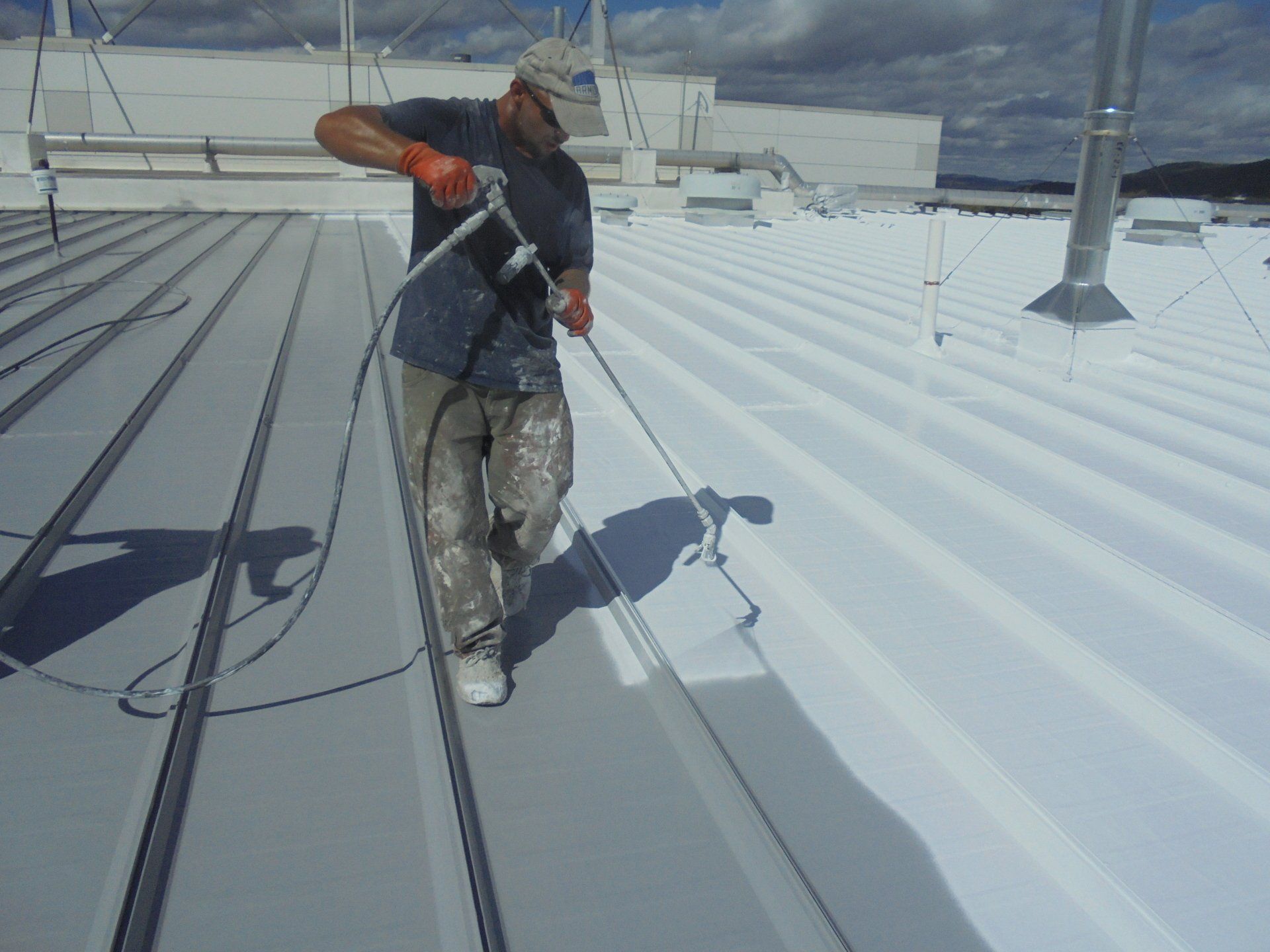
Your roof is one of the most important parts of your home, protecting you, your family, or your employees from the elements. It is essential to keep it in good condition, and one of the best ways to do that is to recoat it regularly. But how often should you recoat your roof? In this blog post, we'll take a look at the factors that determine how often you should recoat your roof and provide some guidelines to help you make the best decision for your home or business.
Roof Material
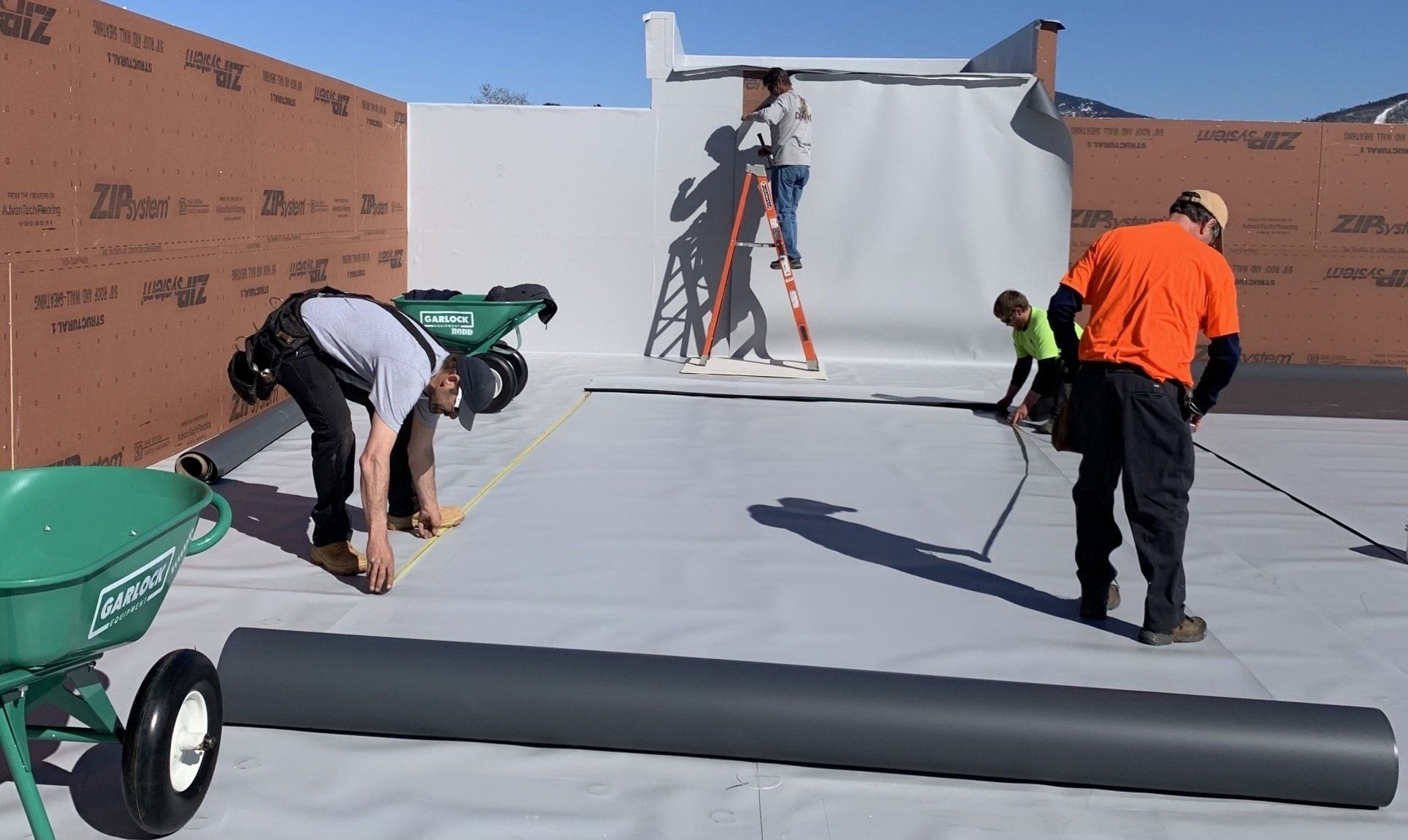
The first thing to consider when deciding how often to recoat your roof is the type of roof you have. Different types of roofs have different lifespans and require different levels of maintenance. For example, single ply roofs typically last between 20 and 25 years, while metal roofs can last up to 50 years or more. If you have an single ply roof, you may need to recoat it more often, while a metal roof may need to be recoated less frequently.
Climate
Another factor to consider is the climate in your area. If you live in an area with harsh weather conditions, such as heavy rain, snow, or extreme heat, your roof may require more frequent recoating. For example, if you live in an area with high humidity or frequent rainfall, you may need to recoat your roof more often to prevent the growth of moss or algae.
Condition
The condition of your roof is also an important factor to consider. If your roof is in good condition and has been well-maintained, you may not need to recoat it as often as a roof that has been neglected or damaged. If you notice any signs of damage, such as cracks or leaks, it's important to address these issues before recoating your roof. Recoating a damaged roof can lead to further damage and may not be effective in prolonging its lifespan.
Type of Coating
The type of coating you use is also important when determining how often to recoat your roof. There are many different types of roof coatings available, including acrylic, silicone, and polyurethane coatings. Each type of coating has its own lifespan and durability, and the frequency of recoating will depend on the specific product used. It's important to choose a high-quality coating that is designed for your specific type of roof and climate to ensure maximum effectiveness.
General Timeline
In general, most experts recommend recoating your roof every 5 to 10 years. However, this is only a general guideline, and the frequency of recoating will vary depending on the factors mentioned above. It's important to consult with a professional roofing contractor to determine the best schedule for recoating your roof based on its specific needs. When recoating your roof, it's important to follow the manufacturer's instructions carefully. This will ensure that the coating is applied correctly and will provide maximum protection for your roof. It's also important to choose a reputable roofing contractor with experience in recoating roofs. A poorly applied coating can lead to further damage and may not be effective in prolonging your roof's lifespan.
Additional Protection
In addition to recoating your roof, there are other steps you can take to maintain its condition and extend its lifespan. Regular roof inspections can help you identify any potential issues before they become major problems. Cleaning your roof regularly can also help prevent the growth of moss and algae, which can damage your roof over time. Trimming overhanging branches and debris can also help prevent damage from falling objects during storms. What's most important is seeking the opinion of a professional roofer in order to assess your specific situation. Not only will this give you peace of mind, but it will increase the longevity of your roof overall!