How Long Should Your Commercial Roof Actually Last?
How Long Should Your Commercial Roof Last?
Understanding Lifespans and Maximizing Roof Durability
The lifespan of a commercial roof varies widely depending on factors such as materials, maintenance, and environmental conditions. Understanding how long a roof should last—and what you can do to maximize its lifespan—can help you make better decisions and avoid costly premature replacements. Here’s a breakdown of typical lifespans for different commercial roofing materials and tips to keep your roof in good shape.
Common Commercial Roof Types & Lifespans
- EPDM (Ethylene Propylene Diene Monomer): Known as a “rubber roof,” EPDM is popular for its affordability and durability. With proper maintenance, EPDM roofs can last 20–30 years. Regular inspections to identify and repair small cracks can prevent leaks and extend its life.
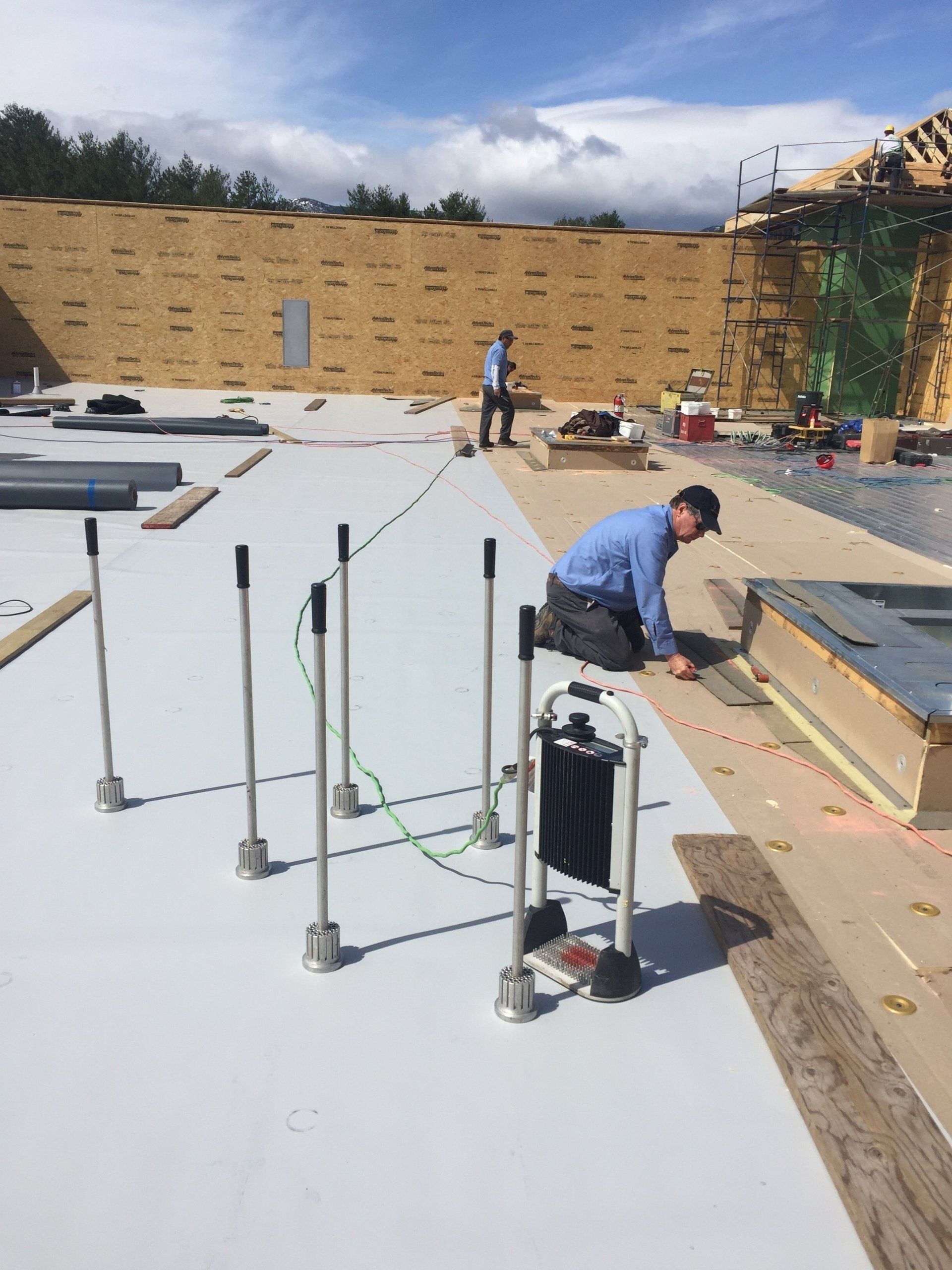
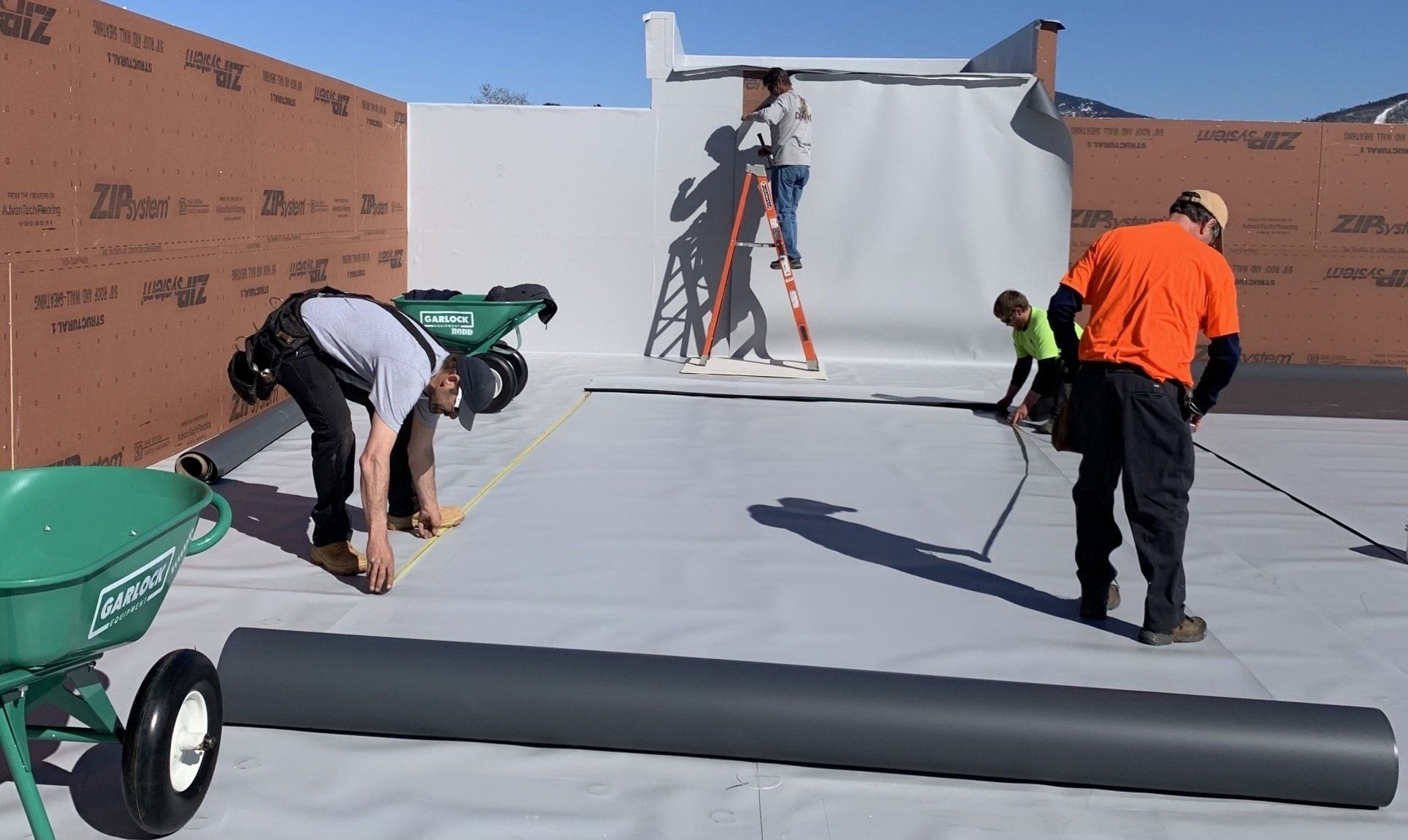
- TPO (Thermoplastic Olefin): TPO roofs are energy-efficient and resistant to UV damage. They typically last around 15–20 years, but with high-quality installation and upkeep, some may last up to 25 years. Routine inspections help prevent small issues from becoming larger problems, especially at seams and flashings.
- PVC (Polyvinyl Chloride): PVC is valued for its resistance to chemicals, fire, and UV radiation, making it a solid choice for certain industries. PVC roofs generally last 20–30 years with regular care, though extreme weather can impact their lifespan.
- Metal Roofing: Metal roofs are incredibly durable, often lasting 40–50 years or more. They’re resilient to severe weather, but proper sealing, especially around fasteners, is key to preventing leaks. Metal roofing can often be recoated to further extend its life.
- Built-Up Roofing (BUR): BUR systems consist of layers of tar and gravel and can last between 15–30 years. They’re especially durable when properly maintained but can develop issues like blistering or cracking over time.
Factors That Impact Roof Lifespan
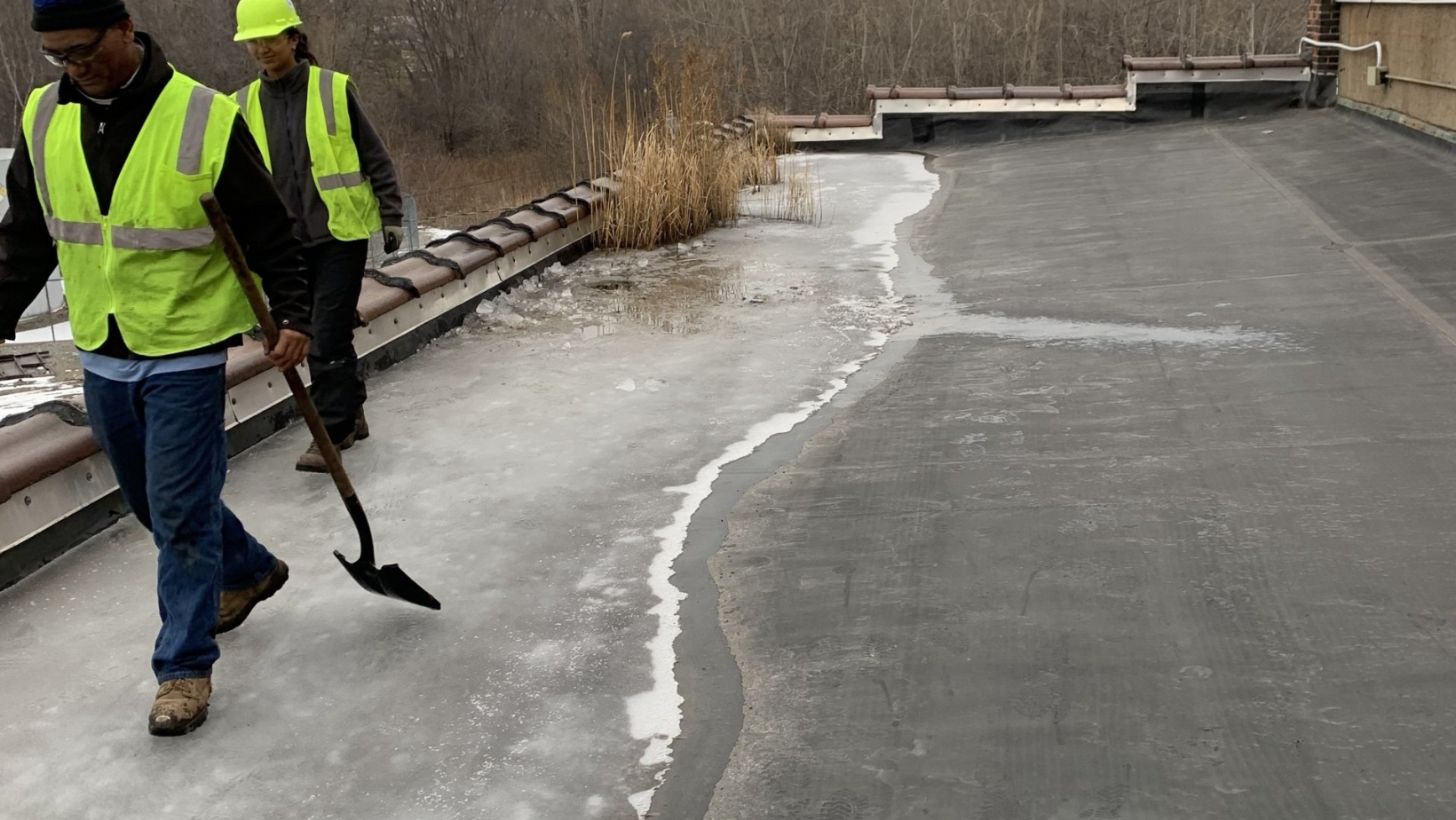
Weather, exposure to chemicals, and roof maintenance all play a role in how long your commercial roof will last. Extreme temperatures, snow loads, and frequent storms can accelerate wear. Additionally, roofs exposed to chemicals or heavy foot traffic might experience faster degradation.
Maximizing Roof Lifespan With Regular Maintenance
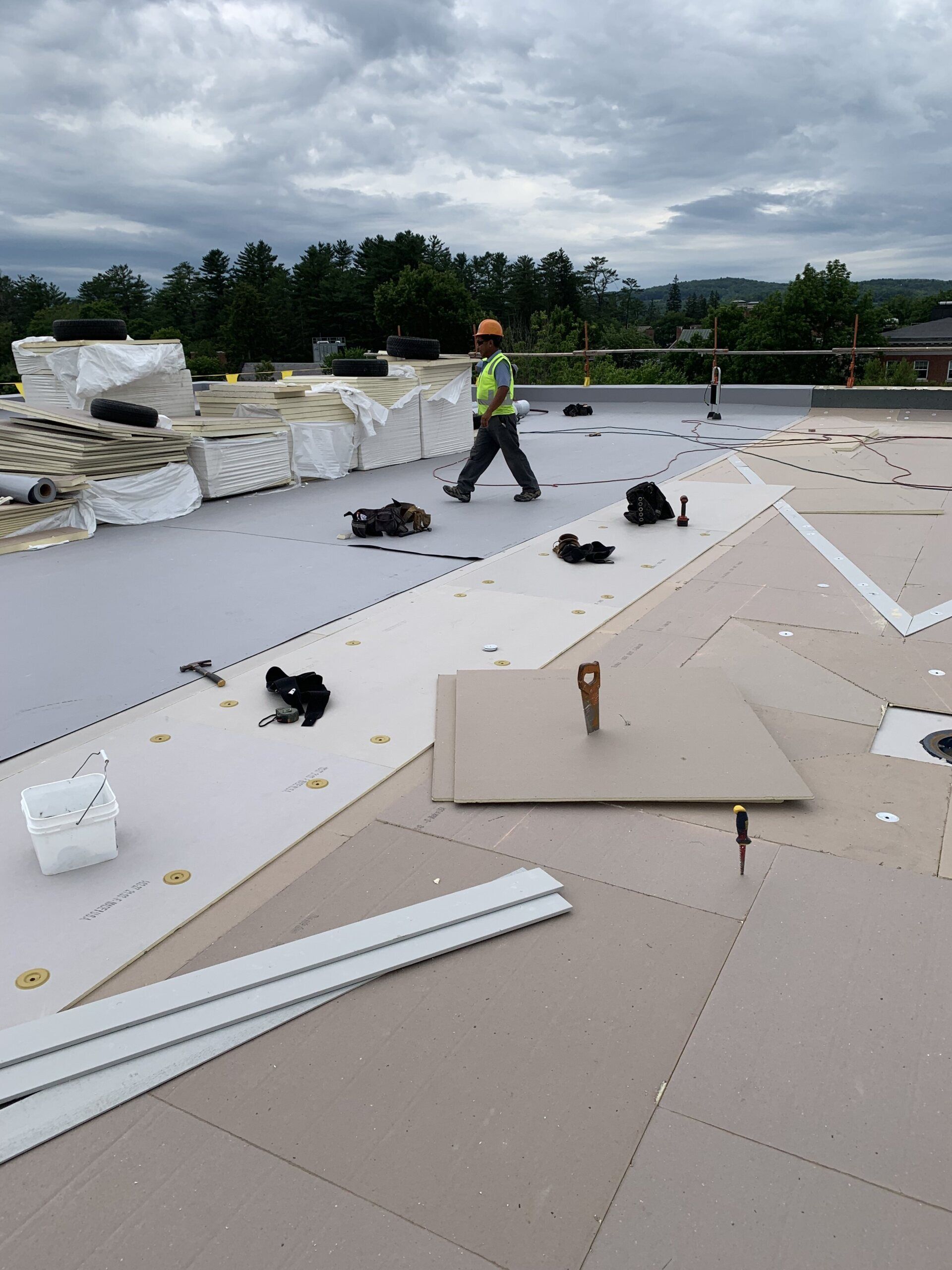
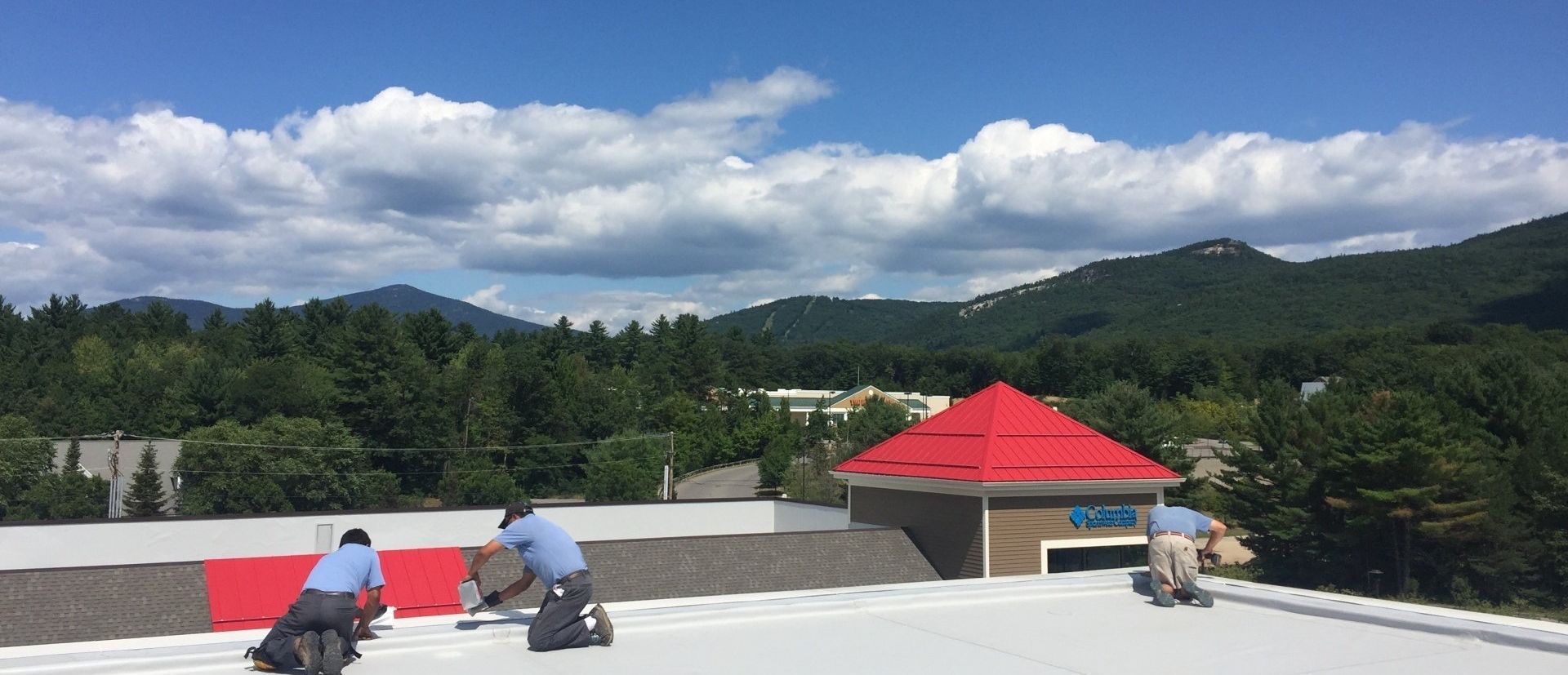
Regular inspections and preventive maintenance are essential for keeping a roof in top condition. Identifying minor issues, like small tears, pooling water, or loose seams, can prevent them from developing into costly repairs. Many roofing companies offer maintenance plans that include biannual inspections and repairs, which can extend the roof’s life and provide peace of mind.
A well-maintained commercial roof can last decades, depending on the material and conditions. To ensure you get the most out of your roof, consult a roofing professional to assess its condition and provide the maintenance it needs for a longer, more reliable lifespan.