Faulty HVAC and Roof Leaks: How Your HVAC System Can Compromise Roof Safety
How Faulty HVAC and Roof Leaks Pose a Significant Safety Risk to Your Commercial Roof
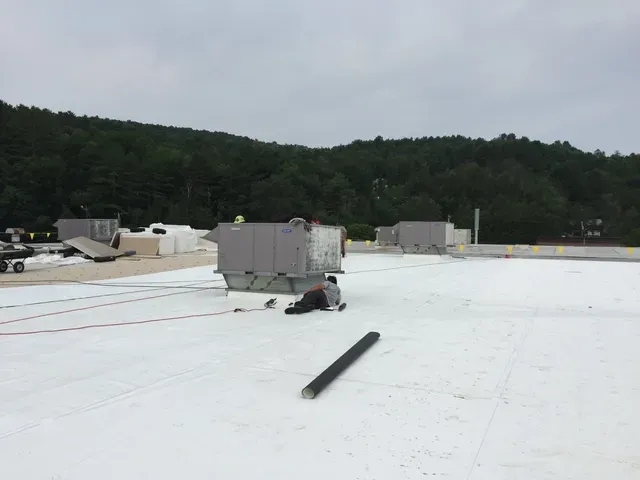
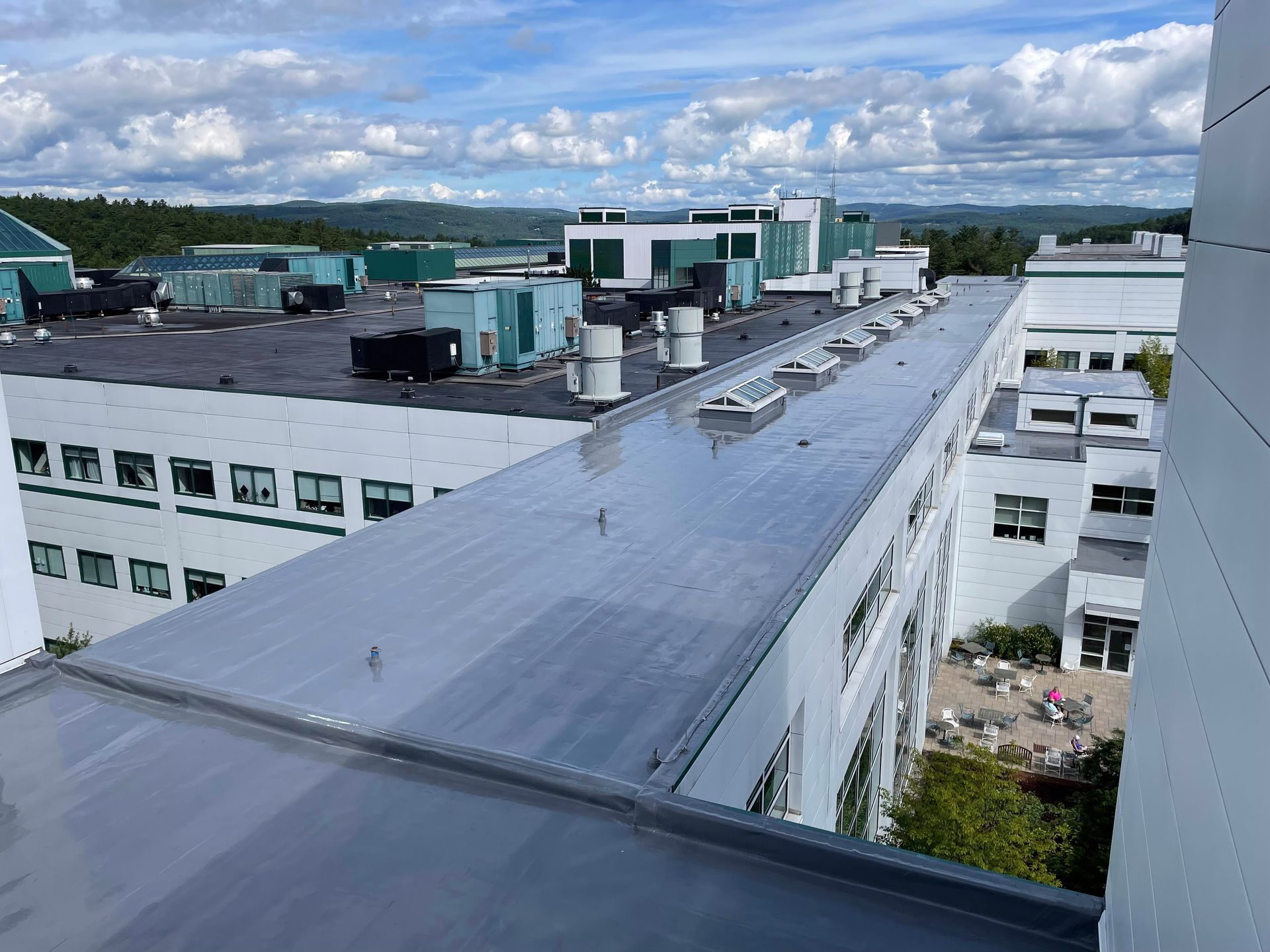
Facility and plant managers have a lot on their plates, and keeping everyone comfortable who spends their days inside is a primary priority. Multiple HVAC units (ideally) humming along well as they work to cool the inside of most commercial buildings may be found on the roofs of most commercial buildings. As you might expect, HVAC devices that must perform properly while enduring the elements can cause a slew of problems for site managers to cope with. While there are numerous advantages to having a cool building, HVAC roof problems can be worsened if you are uninformed of the dangers that a broken unit might provide.
Human Error
While it's tempting to put all of your HVAC roof problems on the unit, some faults are the result of human error. Technicians who are not sufficiently trained to identify unit difficulties may miss critical signals that a well-trained tech would recognize as warning signs of a leak. If an HVAC expert is scheduled to visit for routine maintenance, having your trusted roofing contractor and/or service provider join in on the inspection to see if there are any other underlying issues may be a smart idea. Additionally, technicians who do not know how to walk on an industrial roof properly can cause harm. Heavy foot traffic might create punctures and subsequent leaks if your roofing system does not have pathway pads that lead people to your building's HVAC systems. Make sure that anyone who climbs onto your roof understands the need of staying on the pathway pads.
Condensation & Pooling
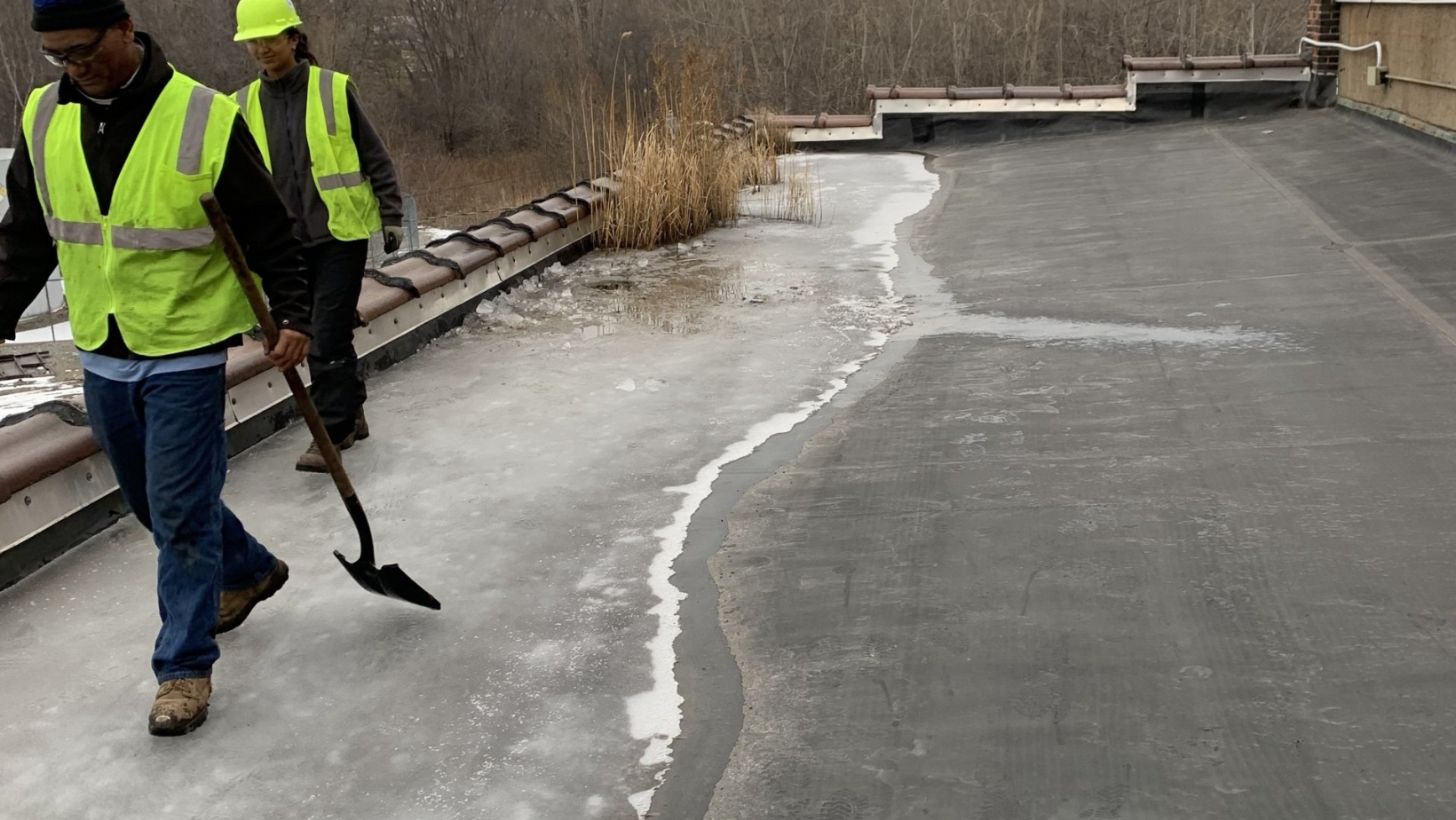
When water pools around HVAC systems, the membrane deteriorates more quickly, resulting in leaks and other problems. HVAC devices that are in good functioning order will evaporate water on a regular basis and release the vapor into the air. A malfunctioning unit, on the other hand, that fails to evaporate the water, would frequently result in pooling water within the system. To remedy this issue, you should inspect your HVAC unit's discharge system on a regular basis to ensure that excess condensation does not form and pour out onto the roof. Maintaining good drainage and through internal lines can keep moisture off the roof and should be part of any preventative maintenance program you choose.
Improper Installation
It's only a matter of time until major implications start haunting your entire building if your HVAC equipment were not installed appropriately. Some facility managers discover that they are constantly repairing the same leaks, only to discover that the issue is due to the way the unit was built in the first place. Let your preferred commercial roofing contractor know whenever a unit is installed, as they will be able to supply you with some helpful advice both before and throughout the procedure.
Conclusion
It's never fun to have a problem with your HVAC system. Mitigating and resolving those concerns, on the other hand, can be made easier when you know all you have to do is pick up the phone and call the contractor you know and trust. At Rodd Roofing, you can count on us to provide you with trustworthy roofing services.