Advantages of Single Ply Roofing
Learn why single-ply roofing could be perfect for your next project!

Are you looking for a durable, energy-efficient, and cost-effective roofing solution? Single-ply roofing (SPS) has emerged as a top choice for commercial roofing systems over the last 30 years, offering a perfect blend of strength, flexibility, and longevity.
Why Choose Single-Ply Roofing?
Single-ply roofing systems offer three key advantages
that make them stand out:
✅
Strength
✅
Flexibility
✅
Long-lasting Durability
Let’s explore what makes single-ply roofing the ideal solution for your next commercial roofing project.
1. Superior Strength & Durability
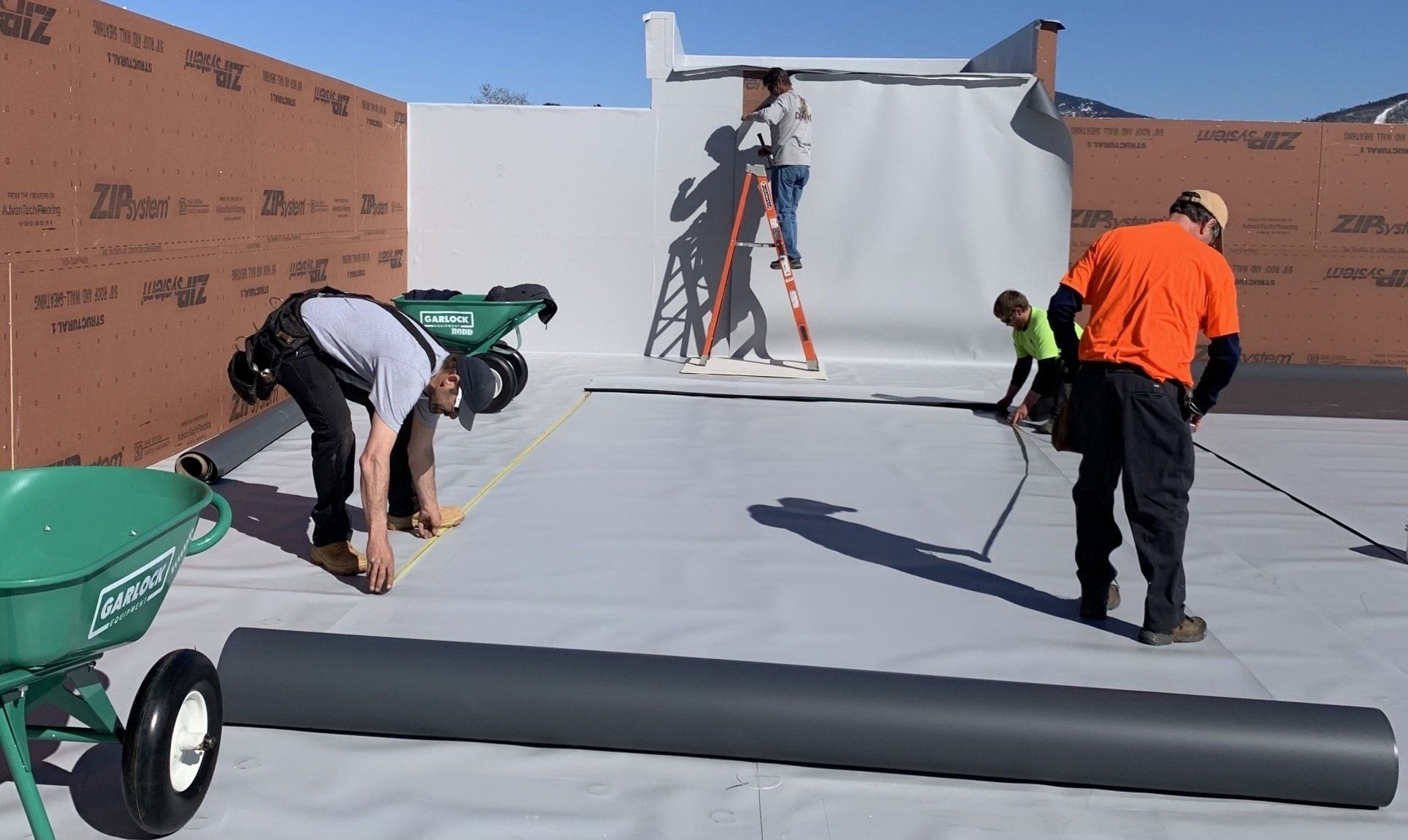
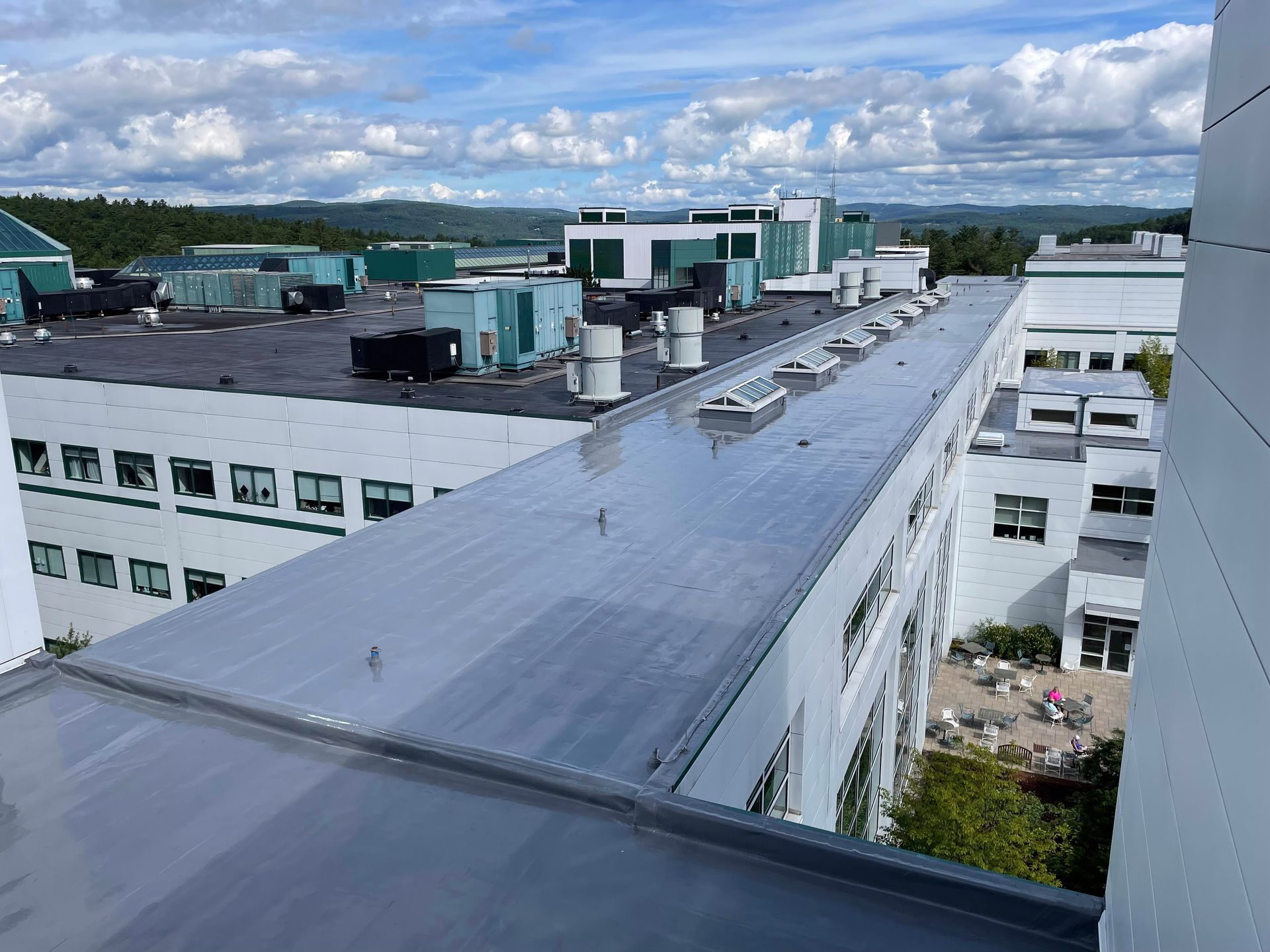
Single-ply roofing membranes are made from high-quality synthetic polymers, designed to provide strength and durability for low-slope commercial roofs. Their strong, resilient sheets are designed to withstand harsh weather conditions, ensuring long-term performance.
- Versatility in attachment methods – SPS systems can be installed using different methods (mechanical attachment, adhered, or ballasted), making them suitable for a wide range of commercial buildings.
- Complete design freedom – With SPS, building owners no longer have to compromise between aesthetics and roofing durability. It offers versatile design options, making it ideal for both new constructions and roof refurbishments.
2. Flexibility in Roof Design
SPS offers unmatched flexibility, allowing for various design and installation options tailored to your building’s needs. Whether you are constructing a new building or upgrading an existing roof, you have the freedom to choose between three types of single-ply membranes:
- EPDM (Ethylene Propylene Diene Monomer) – A synthetic rubber membrane designed for low-slope roofing, providing excellent durability and weather resistance.
- TPO (Thermoplastic Olefin) – Known for superior energy efficiency, TPO is a top choice for commercial buildings, offering resistance to UV rays and harsh elements.
- PVC (Polyvinyl Chloride) – Ideal for waterproofing and superior resistance to chemical exposure, making it an excellent option for North American commercial roofing needs.
3. Long-Lasting Durability
Single-ply roofing provides long-term durability and resilience, ensuring your roof will last for years with minimal maintenance. SPS systems offer a proven track record of performance, backed by long-term warranties that give building owners peace of mind.
Additional Benefits of Single-Ply Roofing
In addition to strength, flexibility, and durability, single-ply roofing systems offer a variety of additional advantages:
- Proven performance in various climates and conditions
- Class-A fire-rated roofing system for added safety
- Energy-efficient “Cool Roofing” options for better temperature control
- Superior waterproofing for enhanced protection against leaks
- High tensile strength to resist wear and tear
- Competitive life-cycle costs, offering a great return on investment
Is Single-Ply Roofing Right for You?
With its impressive benefits, including long-lasting durability, flexibility in design, and superior strength, single-ply roofing is an ideal choice for commercial buildings. Whether you are building a new structure or upgrading an existing one, SPS provides a cost-effective and energy-efficient solution for your roofing needs.
Interested in single-ply roofing
for your project?
Contact Rodd Roofing for expert installation and premium materials!
Read more About Single Ply Roofing:
Single ply