
Advantages of Liquid Applied Membrane Roofing

Learn why liquid applied membrane roofing might be the perfect fit for your next project!
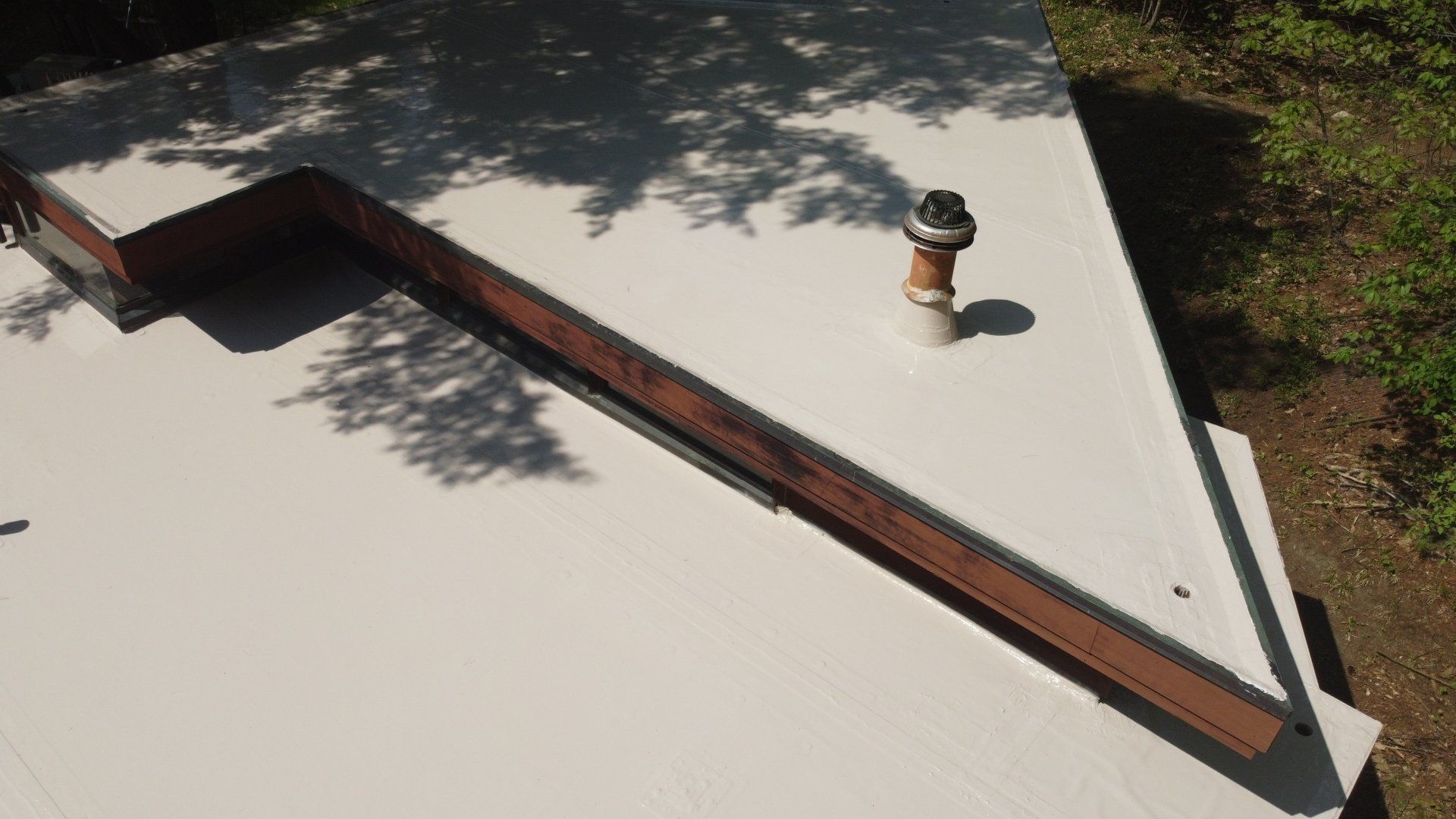
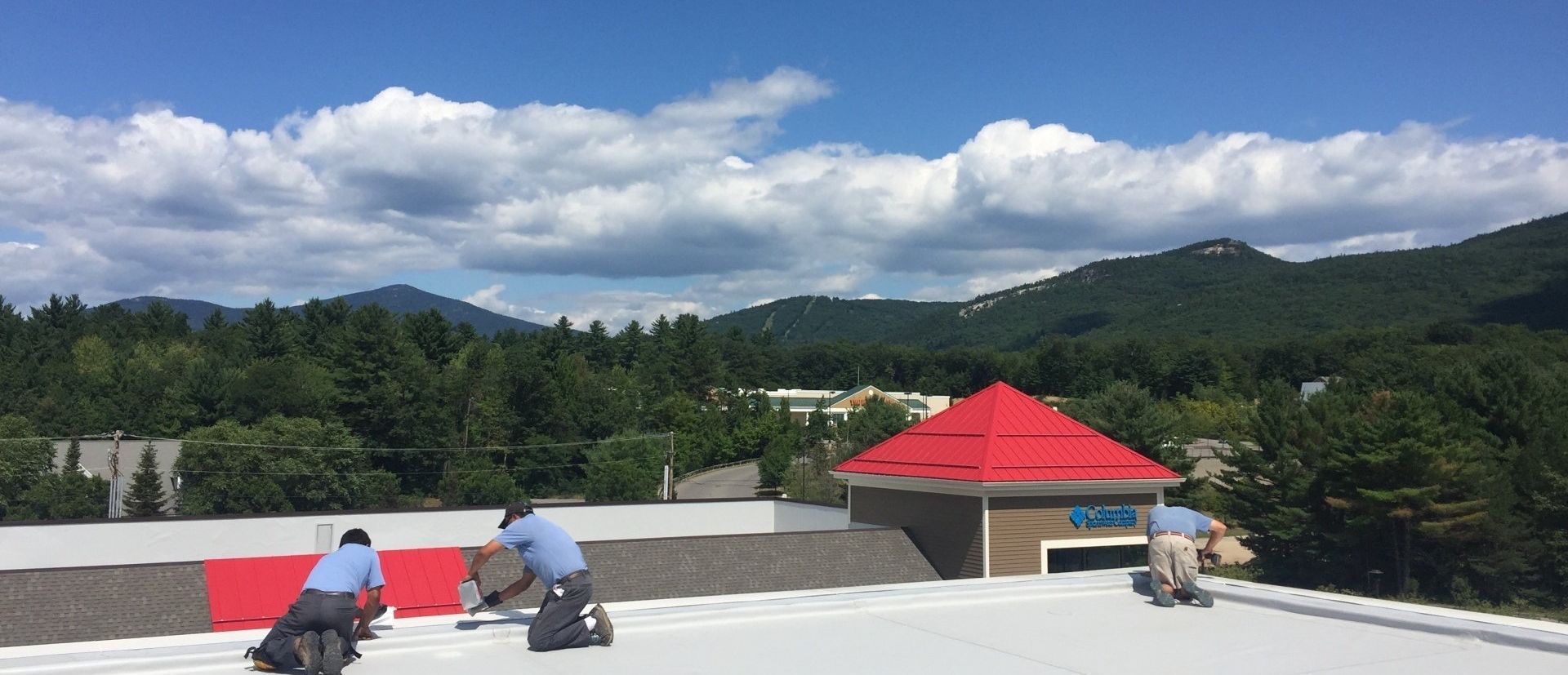
4 men standing together working on a white roof

Versatile, UV-Resistant Liquid Applied Membrane for Roofing Restoration

Liquid applied membrane (LAM) roofing is an innovative and cost-effective commercial roofing solution designed to restore and extend the life of existing roofs. This seamless system offers exceptional durability and protection against environmental elements, making it a preferred choice for building owners looking for superior performance. With its versatile application, UV resistance, and strong warranty, LAM roofing stands out as an excellent alternative to complete roof replacement.

Benefits of Liquid Applied Membrane Roofing Include:

·     Versatile application for various roof types

·    Superior UV resistance to combat harsh sunlight

·     Backed by a strong warranty

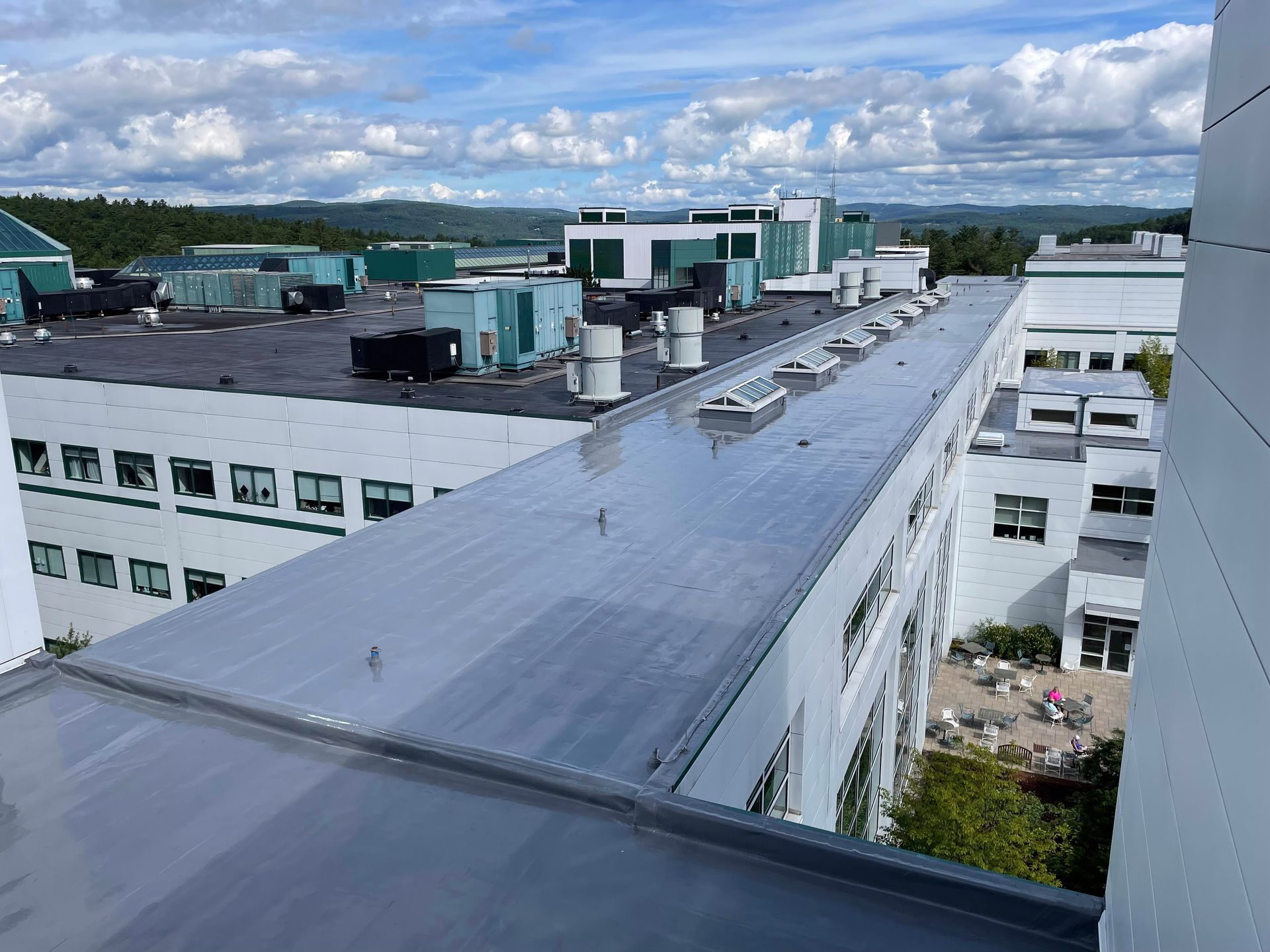
LAM, also referred to as Silicone RCR, is ideal for restoring roofs without the need for a full replacement. Its liquid-applied membrane design ensures a seamless finish, enhancing the roof's ability to resist water, heat, and wear over time.

Applicable Roof Types for LAM:

·     Metal

·     Concrete

·     Gravel or Smooth Surface Build-up roof (BUR)

·     EPDM Rubber

·     Single-Ply TPO, Hypalon, PVC

·     Modified Bitumen


This versatility allows LAM to adhere effectively to a wide variety of roof materials, making it both practical and cost-effective. In many cases, the cost of applying a LAM system is only half that of a new roof installation.


Another standout feature of LAM roofing is its exceptional UV resistance. This helps reduce heat absorption during summer months, lowering interior temperatures and cutting energy costs. Additionally, the system is protected by a leak-free warranty that can last up to 20 years and is renewable, ensuring peace of mind for property owners.


By choosing liquid-applied membrane, you're investing in a versatile and resistant solution that's built to perform under the toughest conditions. Discover how this innovative system can transform your roof while offering long-term protection and savings.
April 23, 2026
Not sure whether to repair or replace your roof? Learn the key factors to consider this spring and make the most cost-effective decision.
Raindrops splash onto a dark, wet surface, creating ripples and bubbles in a heavy downpour.
April 16, 2026
Prepare your commercial roof for spring storms by addressing winter damage, drainage issues, and wind risks before costly repairs arise.
Raindrops splash into deep, shimmering puddles on a wet pavement with a blurred red building in the background.
April 9, 2026
Spring rain often exposes roof damage caused by winter—learn the warning signs and why a post-winter inspection can prevent costly repairs.
Melting snow and an icicle hang from a red metal roof under a bright blue sky.
March 26, 2026
As snow melts and temperatures fluctuate, hidden winter roof damage can surface—learn what to look for and why a professional spring inspection is essential.
A low-angle view of shiny metal roofing panels with vertical seams against a bright blue sky with a few clouds.
March 19, 2026
Explore how asphalt, metal, slate, copper, single-ply membranes, and silicone coatings perform in Vermont’s demanding climate.
Icicles hanging from the dark brown edge of an umbrella against a clear blue sky.
March 12, 2026
March is the ideal time to inspect your roof after winter stress—learn what to look for and why scheduling a professional spring evaluation can prevent costly leaks.
March 5, 2026
Ensure your commercial roof drains, scuppers, and gutters are ready for spring storms—prevent ponding water and costly interior damage with proactive maintenance.
Flat, black roof with ice and snow. Brown brick trim, bare trees and a snowy background.
February 26, 2026
February’s freeze-thaw cycles put flat roofs at risk—learn how low-slope pooling, frozen scuppers, and blocked internal drains create hidden hazards and why pre-thaw maintenance is critical.
Worker in safety vest and hard hat chipping ice with a shovel on a commerical roof.
February 19, 2026
Learn how unchecked ice buildup can crack flashings, block drains, and force water under roof seams—causing damage that worsens with every winter freeze-thaw cycle.
Two-story house covered in snow, with black shutters and a red door, during a winter day.
February 12, 2026
From stained ceiling tiles to ice at parapet walls, discover five subtle winter warning signs that may indicate hidden roof damage and growing freeze-thaw stress.