4 Reasons Why Fall Is The Perfect Time To Replace Your Roof
The Season's Changing; How About Your Roof?

As the leaves change and the temperatures drop, fall offers a perfect opportunity to tackle essential home improvement projects. One task that should be at the top of your list is roof replacement. While roof replacement can be done throughout the year, there are several compelling reasons why fall is the ideal season for this crucial home upgrade. At Rodd Roofing, we understand the significance of a well-maintained roof, and in this blog post, we'll explore five reasons why fall is the perfect time to replace your roof.
1. Mild Weather Conditions
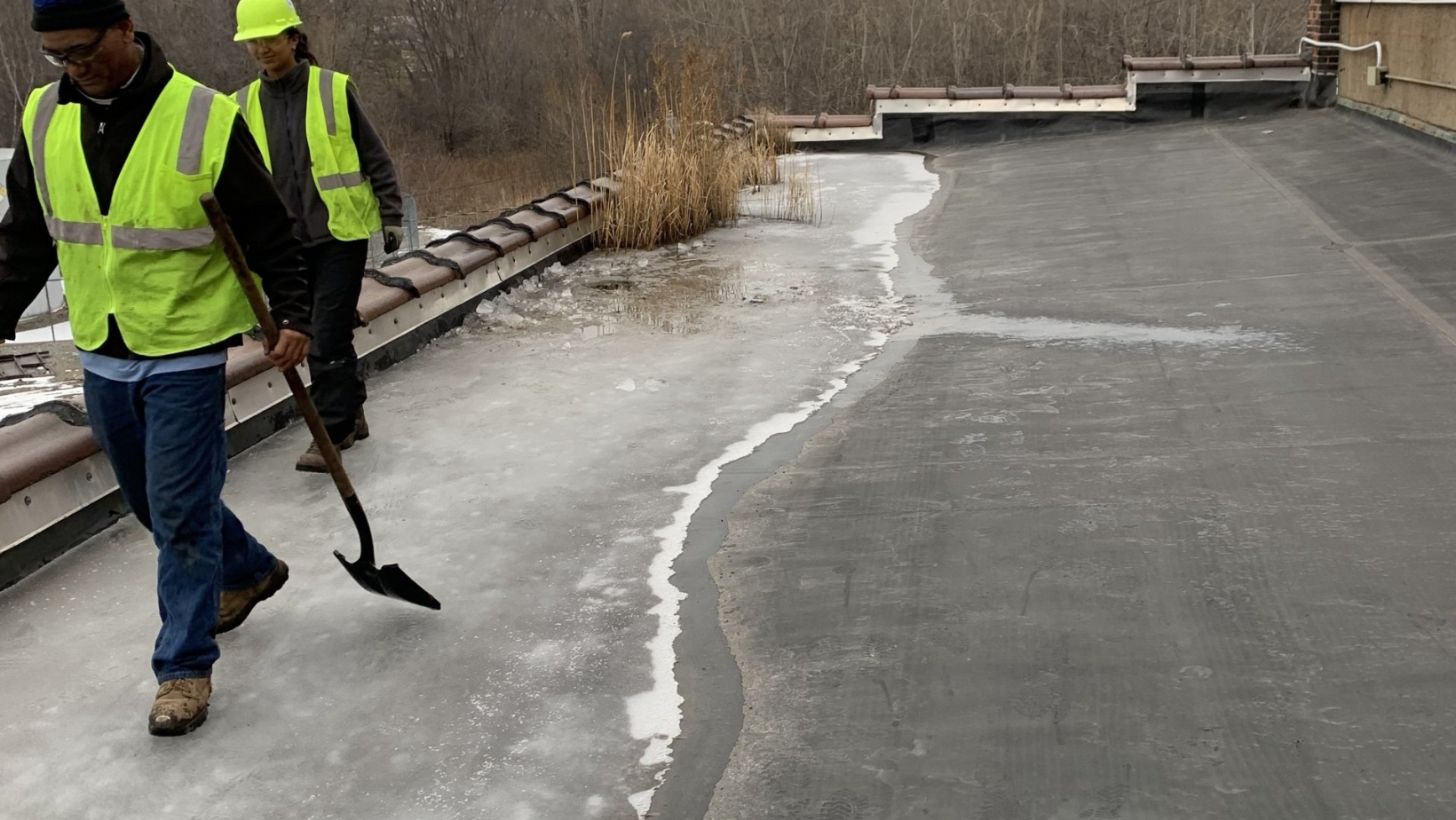
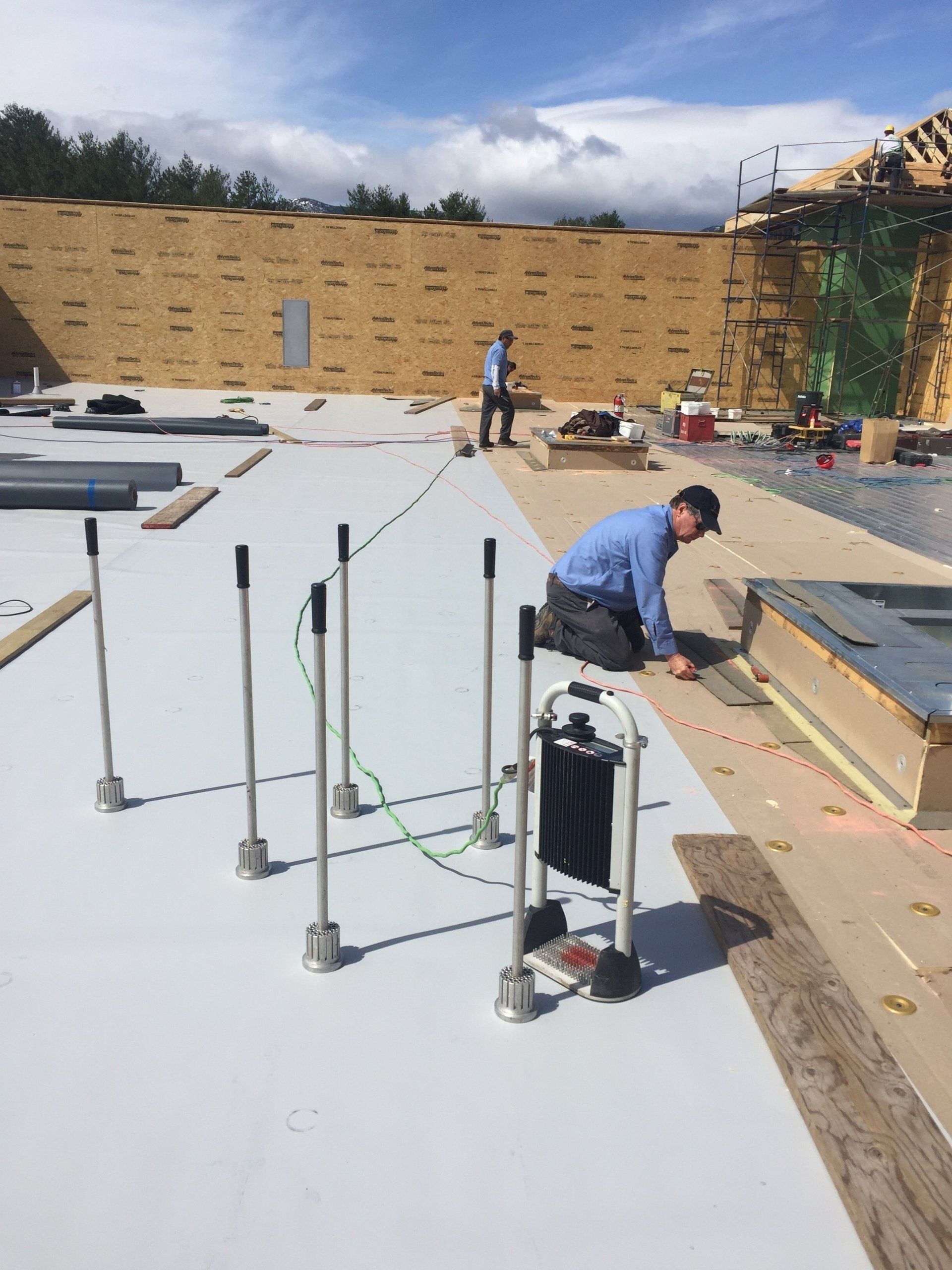
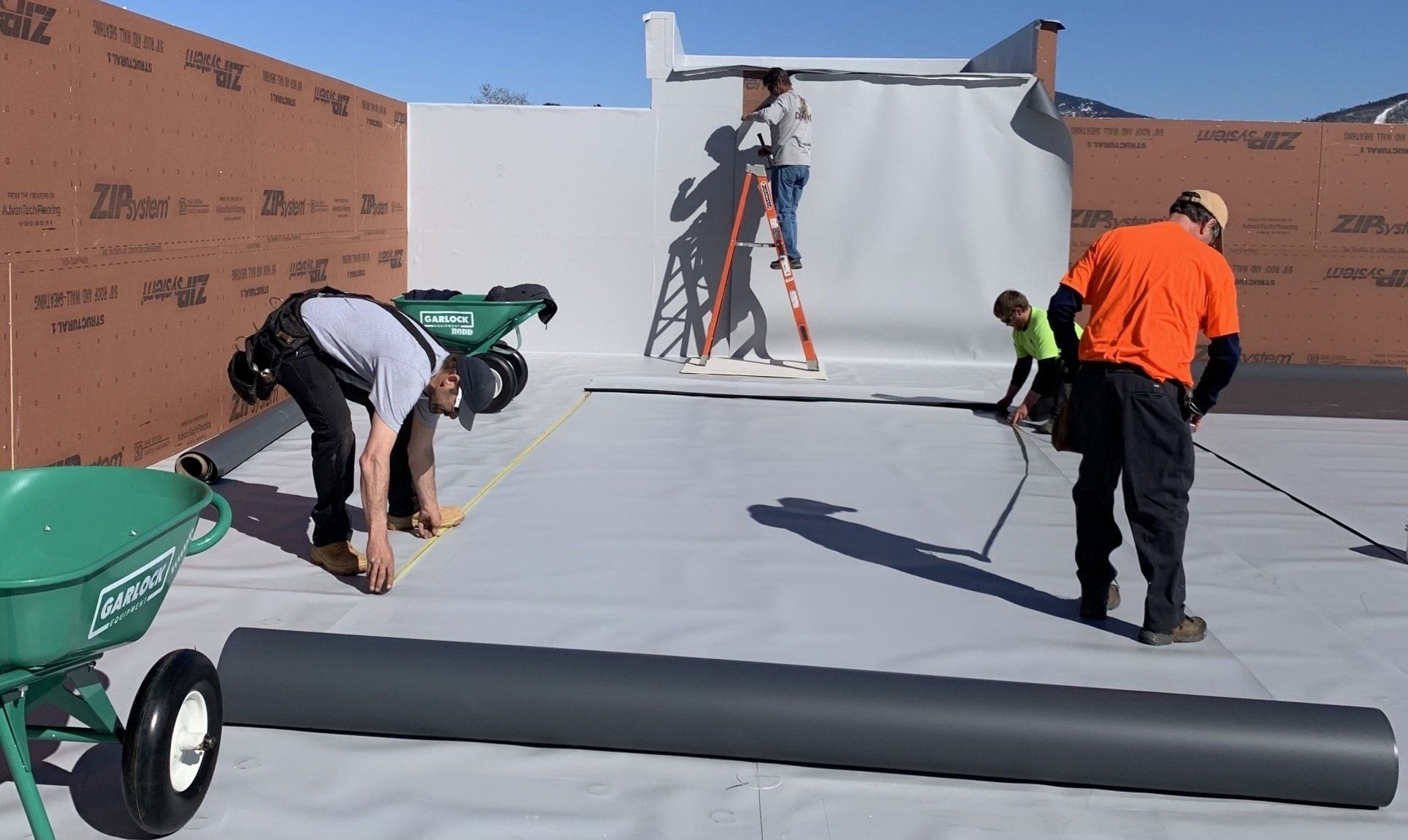
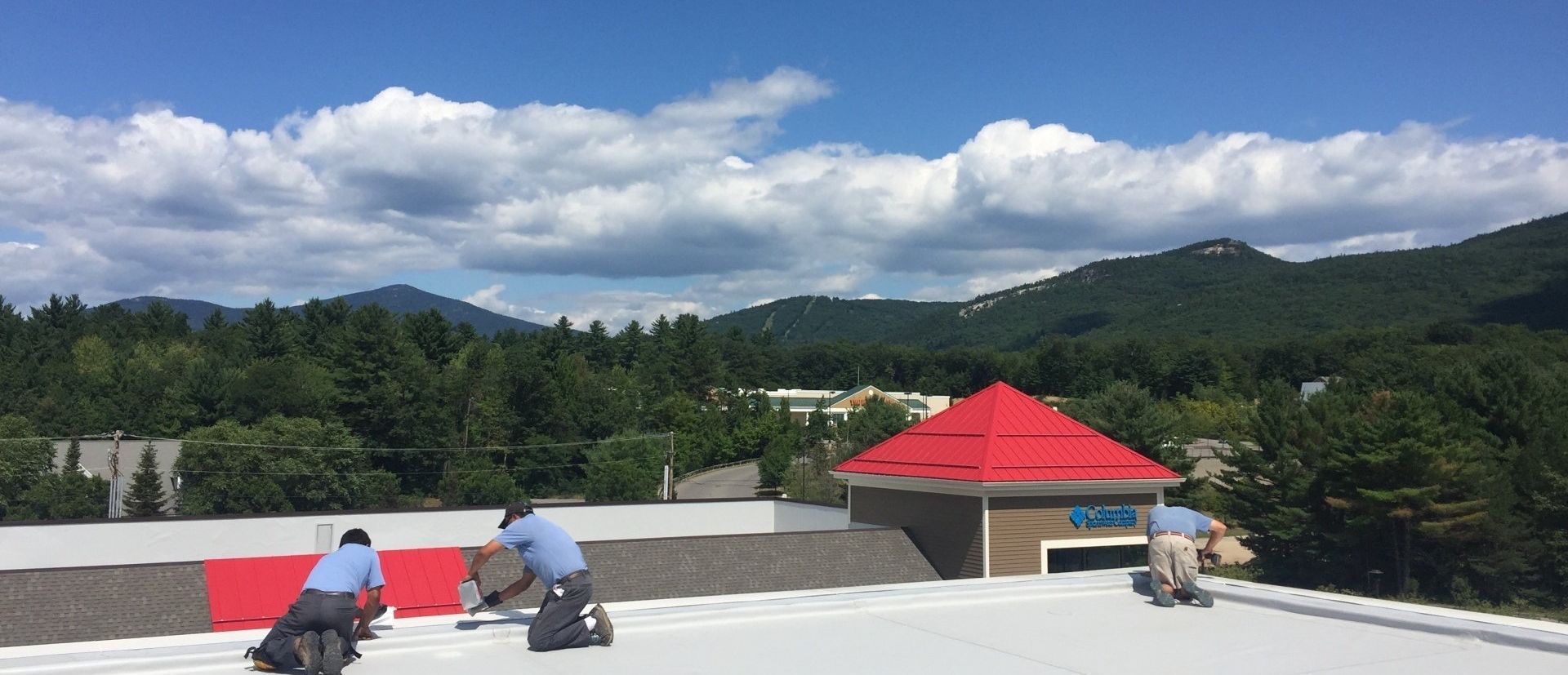
Fall provides a zone of weather conditions that are favorable for roof replacement. The milder temperatures create a more comfortable environment for roofing contractors to work in. Excessive heat in the summer can make roof installations arduous and potentially hazardous for the crew. Likewise, freezing temperatures in the winter can affect the roofing materials' performance and the overall quality of the installation.
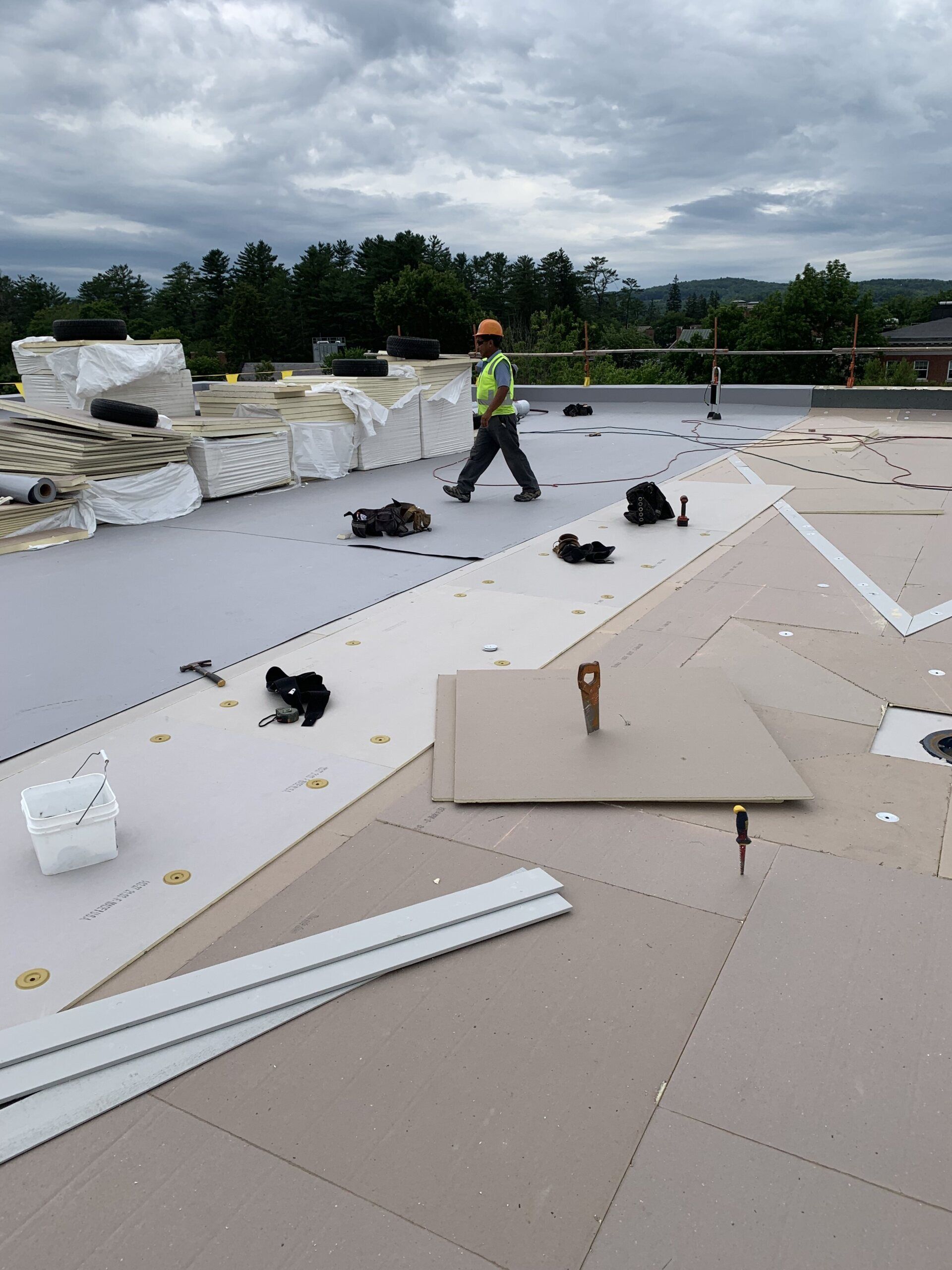
In fall, the moderate weather allows for smoother installation processes, ensuring that the roofing materials are properly sealed and aligned. Additionally, the moderate temperatures help the roofing materials adhere better, creating a sturdy and long-lasting roof for your home.
2. Ideal Sealing & Adhesion
Roofing materials, such as shingles and sealants, require a specific temperature range to achieve optimal sealing and adhesion. Fall weather offers the ideal balance for these materials to bond effectively. High temperatures in the summer can cause some roofing materials to soften, leading to improper adhesion. On the other hand, cold temperatures in winter can make materials brittle and hinder proper sealing.
In the fall, the moderate weather allows the roofing materials to set correctly, ensuring that your new roof is tightly sealed and protected against water infiltration and other potential damages.
3. Preparing For Winter
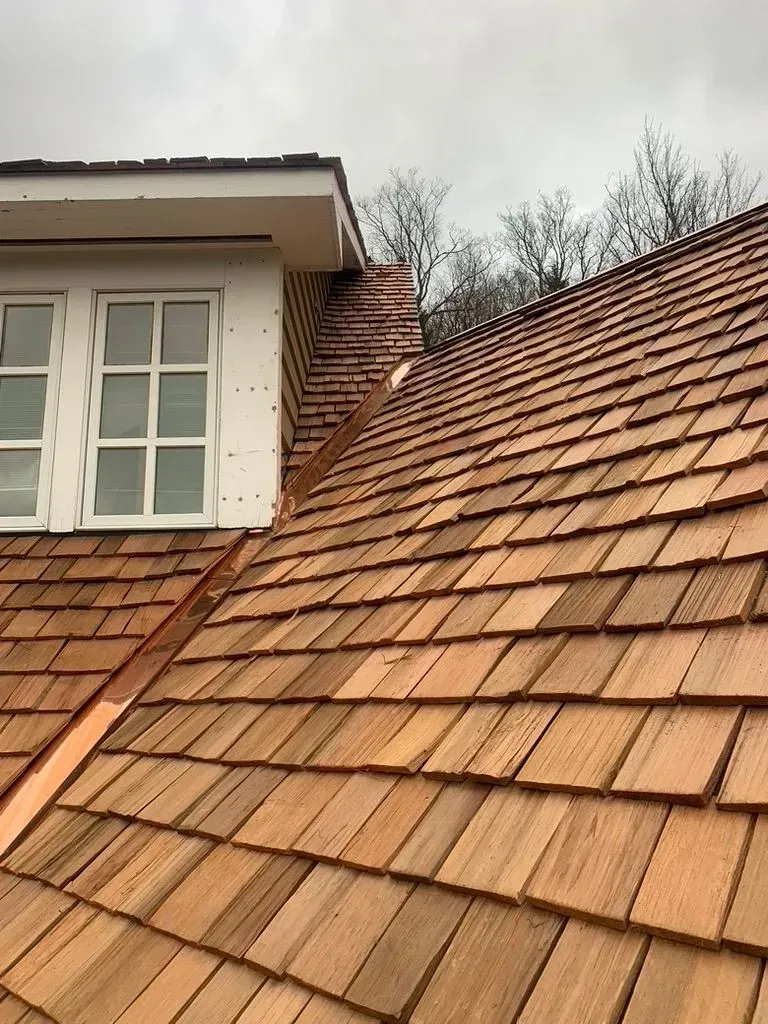
Replacing your roof in the fall means you'll have a brand-new, sturdy roof to face the challenges of winter head-on. Winter brings with it harsh weather conditions, including heavy snow, freezing rain, and gusty winds. A professionally installed roof in the fall ensures that your home is well-protected from these winter elements.
Having a reliable roof during winter is crucial for maintaining a warm and comfortable living environment. A sturdy roof also prevents potential issues, such as ice dams, leaks, and structural damage caused by snow accumulation. Roof replacement in the fall gives you peace of mind, knowing your home is ready to weather the winter months.
4. Faster Scheduling & Flexibility
The roofing industry tends to experience higher demand during the spring and summer months when homeowners are more focused on home improvement projects. As a result, roofing contractors may have a more flexible schedule in the fall, making it easier to find a convenient time for your roof replacement.
With lower demand for roofing services during fall, you can often secure a quicker appointment, avoiding potential delays due to busy schedules. Additionally, roofing companies may offer more competitive pricing during the off-peak season, giving you the opportunity to get the best value for your investment.
Fall offers the ideal conditions and timing for roof replacement, ensuring that your home is ready to face the challenges of winter while providing a fresh start for the upcoming seasons. The moderate weather, optimal material adhesion, and flexible scheduling make it the perfect time to invest in a new roof. Don't wait for roofing problems to escalate—schedule your roof replacement with Rodd Roofing this fall and enjoy the peace of mind that comes with a sturdy and reliable roof above your head. Our experienced team is here to provide top-notch roofing solutions, giving your home the protection it deserves.