Winter & Your Flat Commercial Roof- Maintenance & Care Tips
Winter & Your Flat Commercial Roof- Maintenance & Care Tips
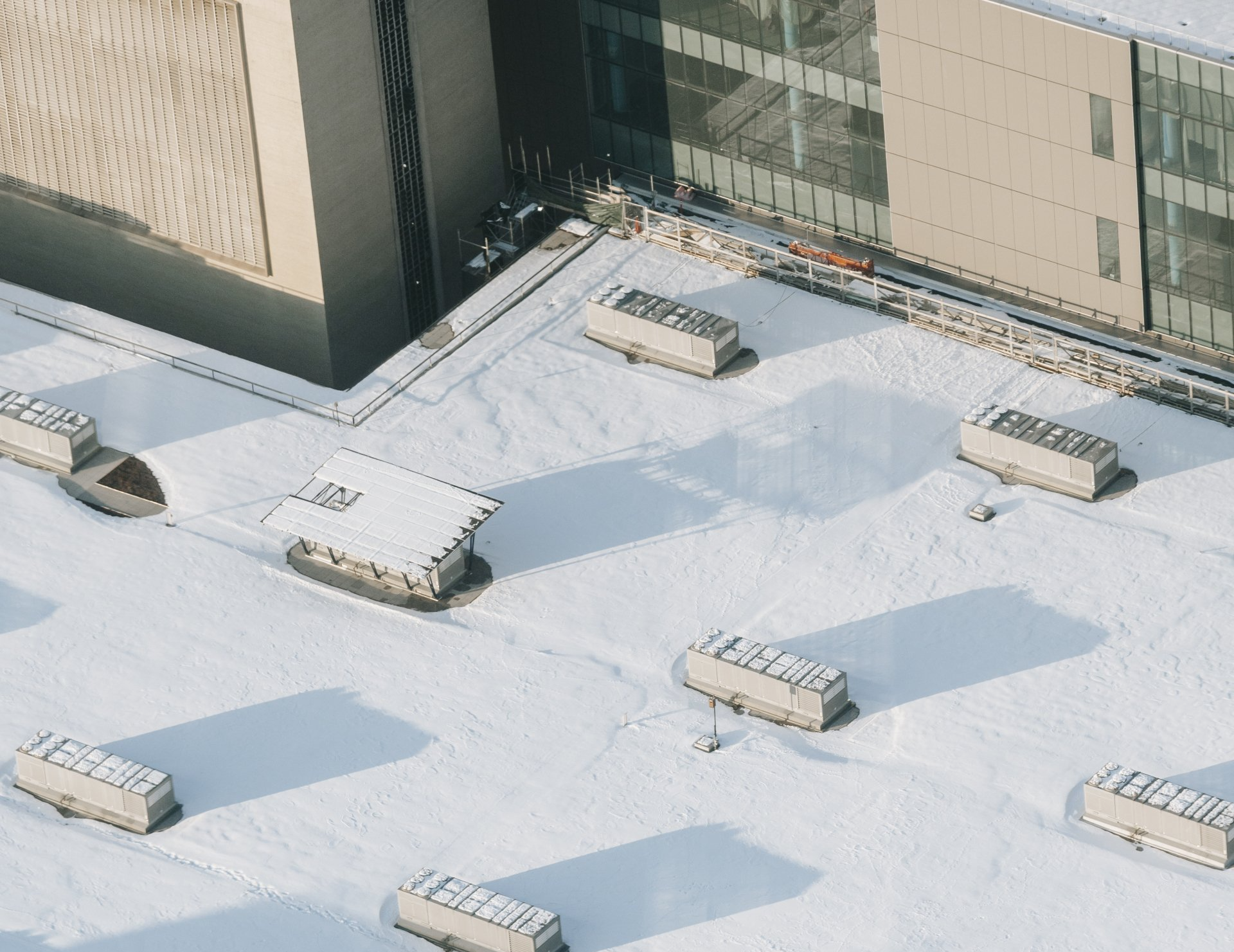
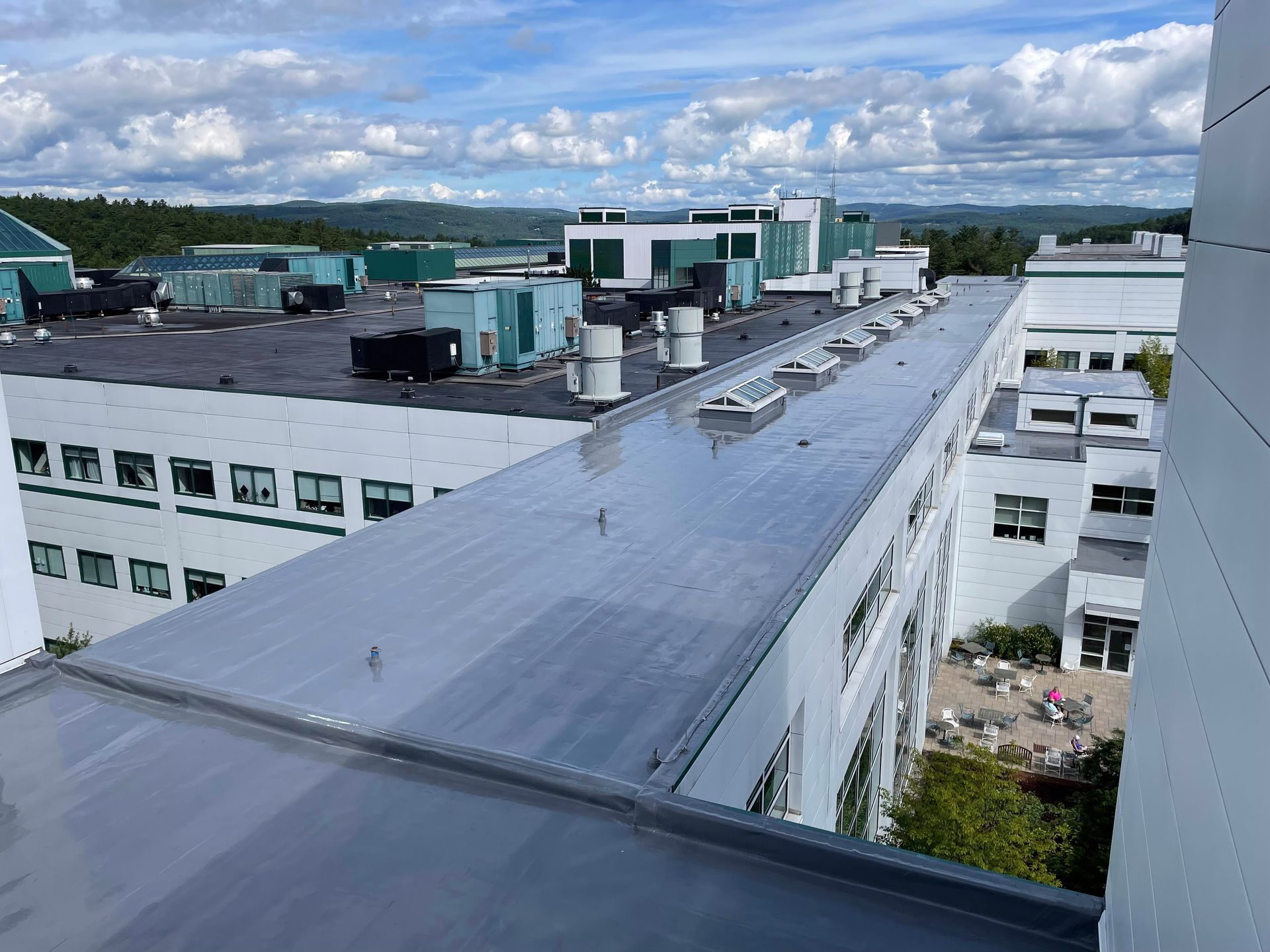
Winter can be incredibly harsh on any roof unless the proper precautions are taken early on. Flat commercial roofs can require a little more attention than a gable or other peaked roofs, so it's important to have a plan in place before the snow begins to pile on. Having a professional not only perform the steps for damage prevention but also explain the process so that you can ask appropriate questions will be extremely beneficial to you and will improve the longevity of your roof. In this guide, we'll give you tips and tricks to get your flat commercial roof ready for winter.
Clean Your Roof
Cleaning your roof allows your roofing expert to perform a more thorough examination, so it's best to have it cleared before the date of your inspection. Doing a sweep of the roof can also help prevent moss, mold, rotting, and blocked drainage systems. During the cleaning, be sure to keep an eye out for signs of animal infestation as well, as this can cause separate issues. Finally, inspecting your building's surroundings can help avoid future debris caused by fallen branches, trees, etc.
Clean Drainage Systems
While your roof is being cleaned, it's not a bad idea to take some time to also clear out your drainage systems. Drainage systems help protect the integrity of your building and can cause major damage to your foundation, roof, and other parts of your building if not regularly maintained. With the excess moisture that winter brings, you'll want to have all of your drainage systems in perfect working order.
Schedule A Professional Inspection
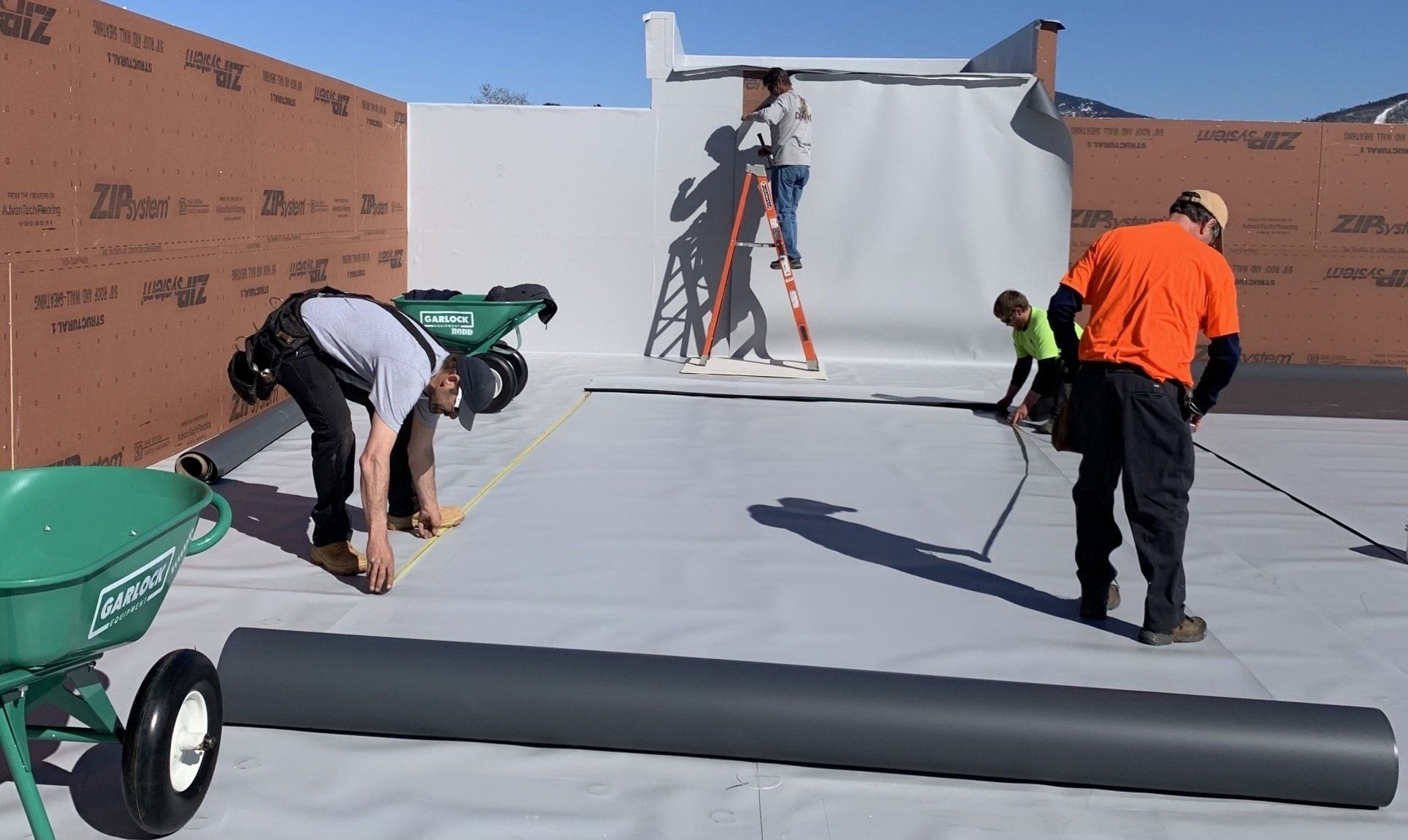
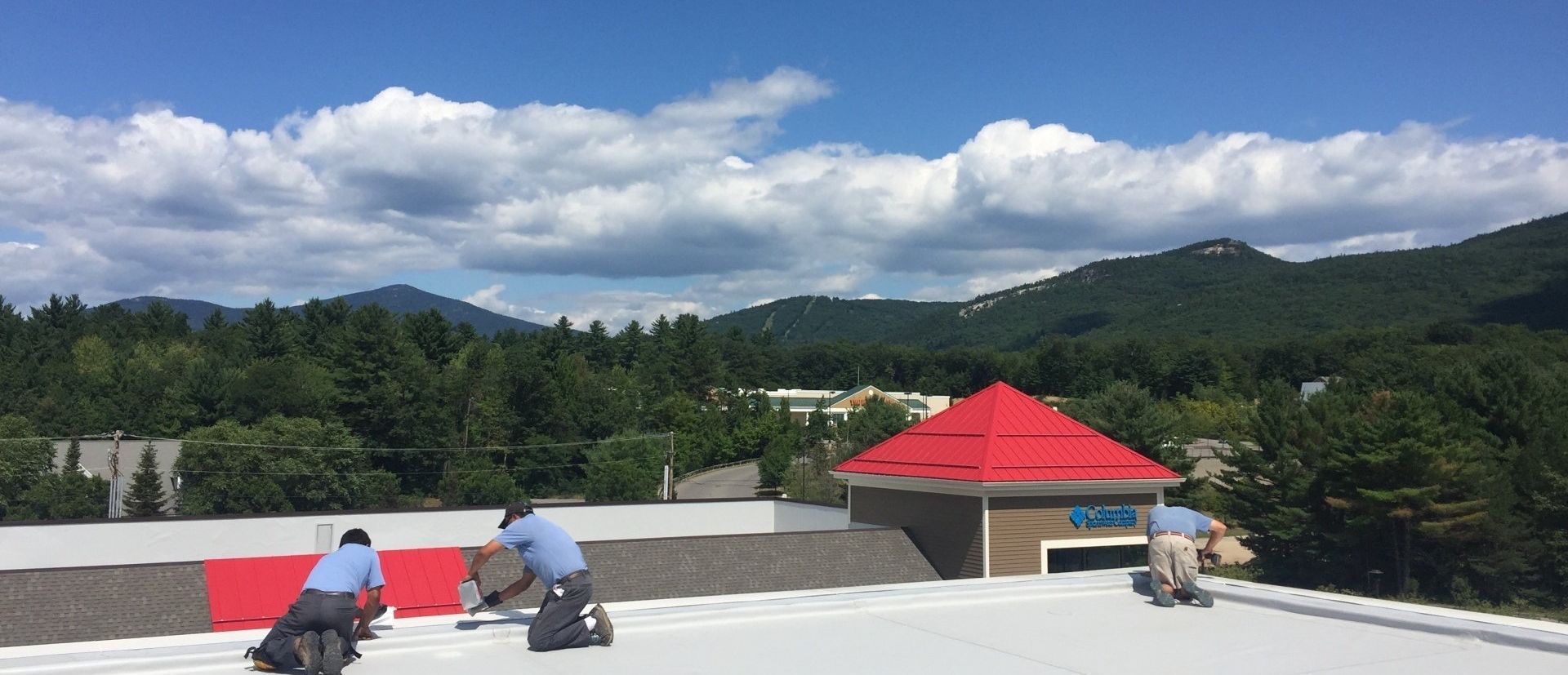
Now that your roof is free of debris, you should have it professionally inspected. Remember that it's best to have this done before the first snowfall. An inspection can prevent major damage and can lead the way to structural improvement. Your roofing professional will take note of things like rusted or cracked flashing, open seams, cracks in the caulking, and anything else that could become part of a larger issue. Once that information is passed on to you, it is your duty to call for repair.
Make Necessary Repairs Before Winter
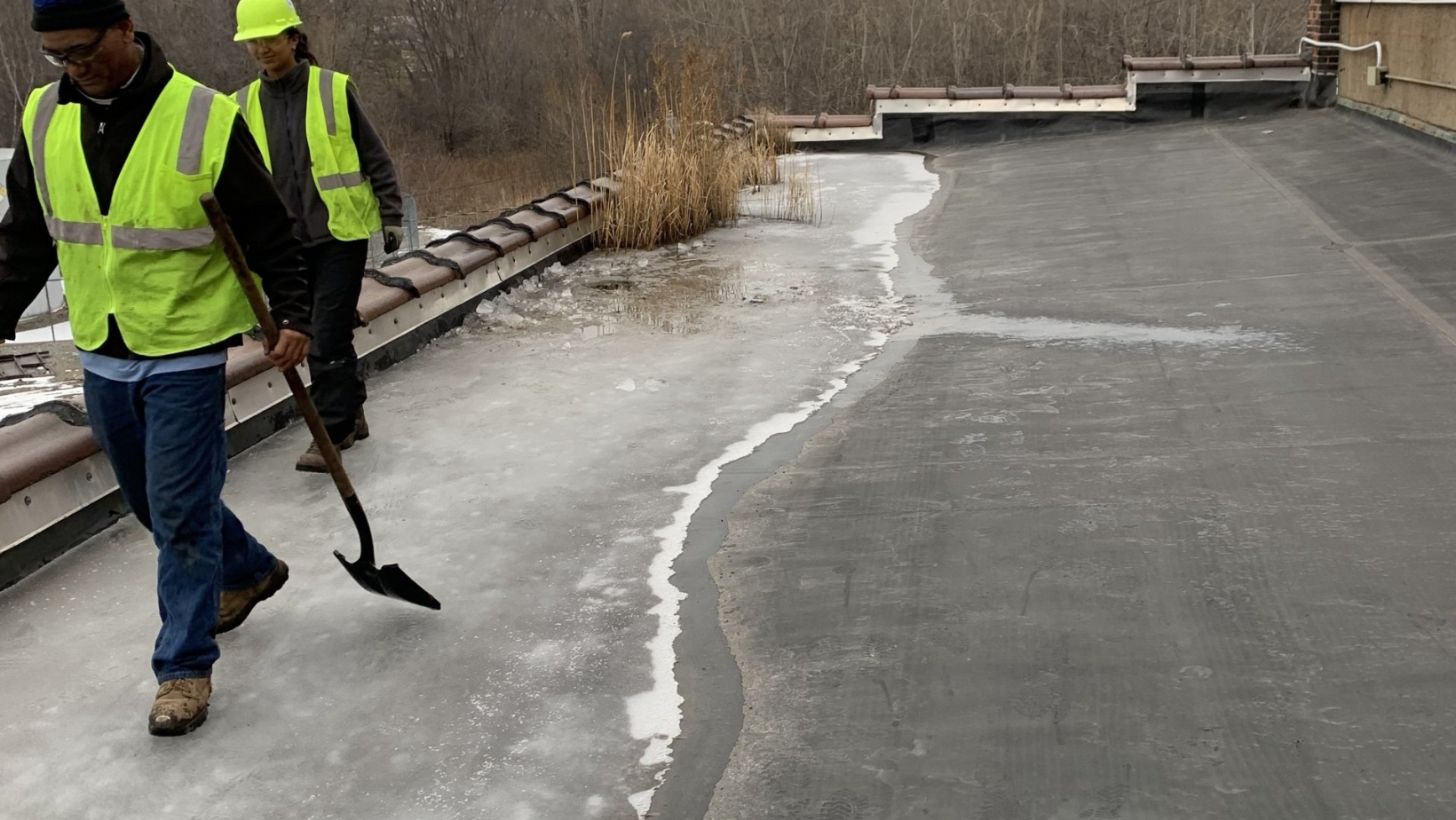
Like the inspection, it is better to schedule repairs before the first snowfall. Though it's not impossible to make repairs in the winter, it does make it more difficult for your roofer. Piled-up snow and ice can make work hazardous for your professional, and it may even hide some of your roof's problem areas. Another drawback of performing repairs in the winter is that melting snow can make its way into the cracks, refreeze, and expand, causing your problem to double in size and, most likely, in cost.
Create A Snow-Removal Plan
In the spirit of taking charge, once everything has been cleared, inspected, and repaired, make a snow removal plan to assist in the upkeep of your newly restored roof. There are a variety of prevention and maintenance options to choose from, so discuss with your roofer and your snow removal contractor to decide what will work best for you and your building.
The most important thing you can do to prevent damage is to be proactive. Calling on a professional to do the heavy lifting will not only give you peace of mind but will save you time and money in the end. Remember that your roof will need regular maintenance and that everything is dependent on the weather and environment. It's always better to be safe than sorry, and preparing your flat commercial roof for winter should be no exception.