What Is A TPO Roof? TPO Roofing Questions answered by Rodd Roofing
What is Thermoplastic Polyolefin or TPO Roofing?
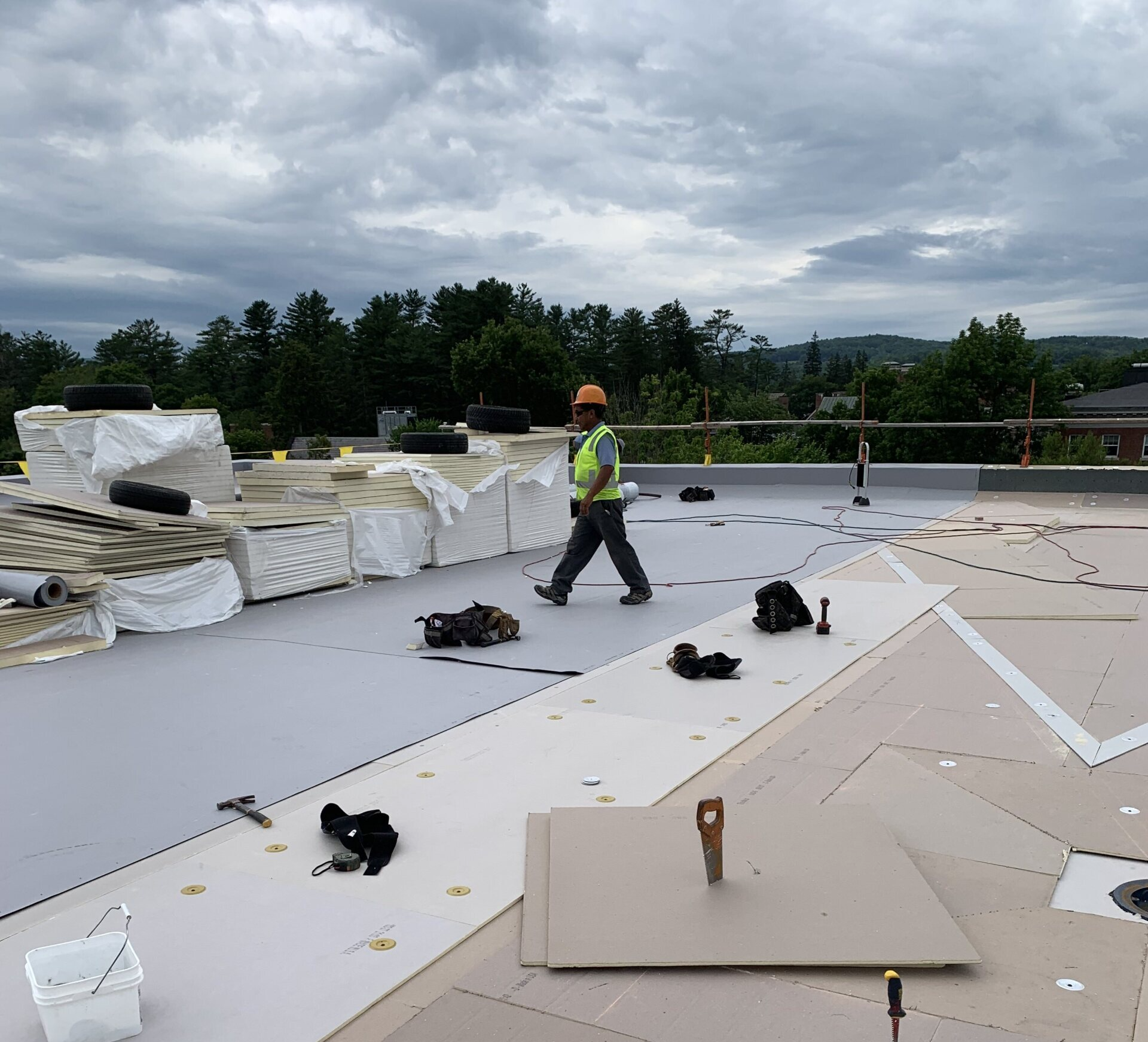
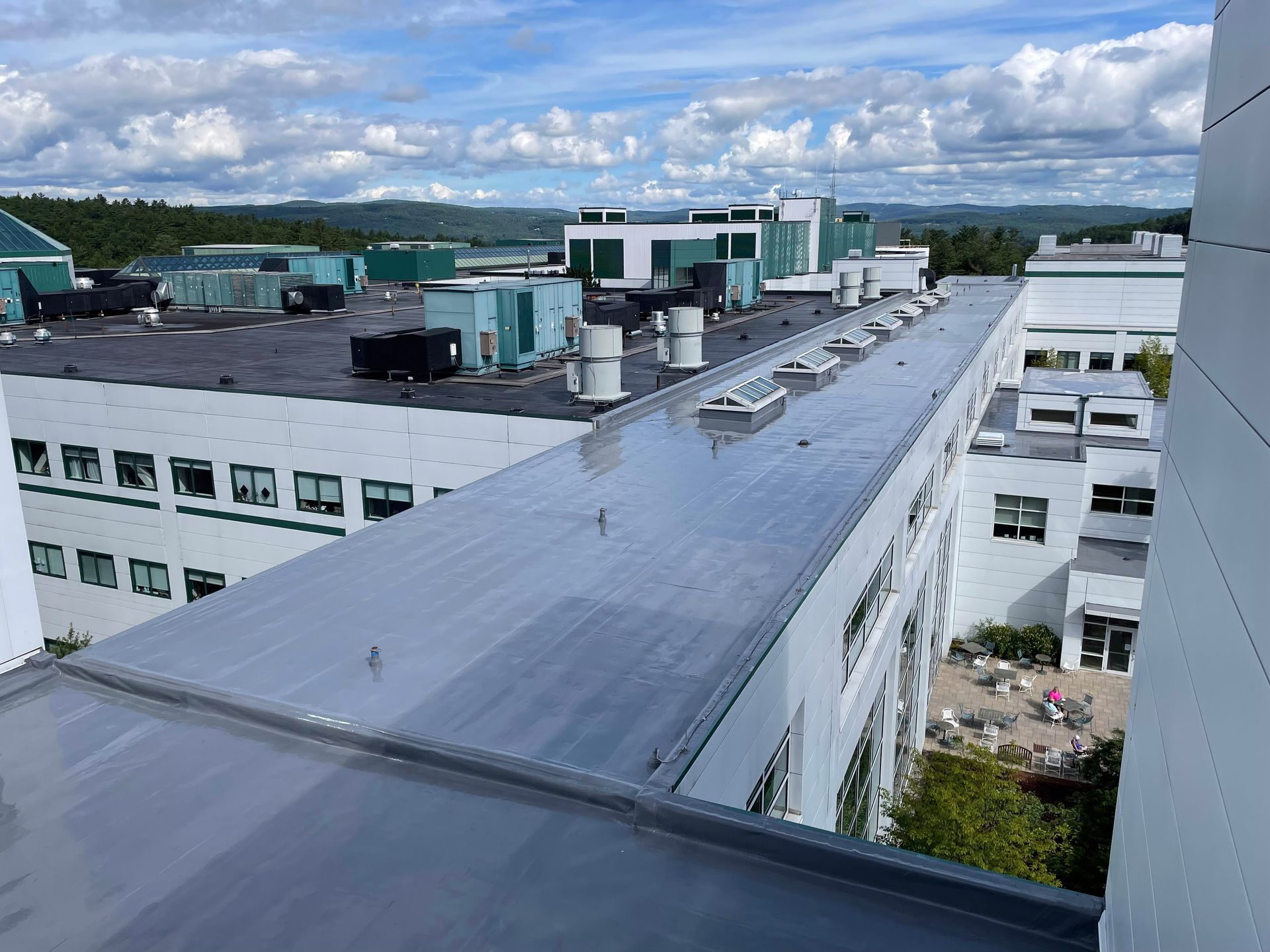
Thermoplastic polyolefin is one form of commercial roofing membrane that is gaining popularity (TPO). From economic effectiveness to energy efficiency, the TPO roof has a lot of advantages. However, in order to get the full benefits of a TPO roof, it must be cleaned and maintained on a regular basis.
What is TPO roofing?
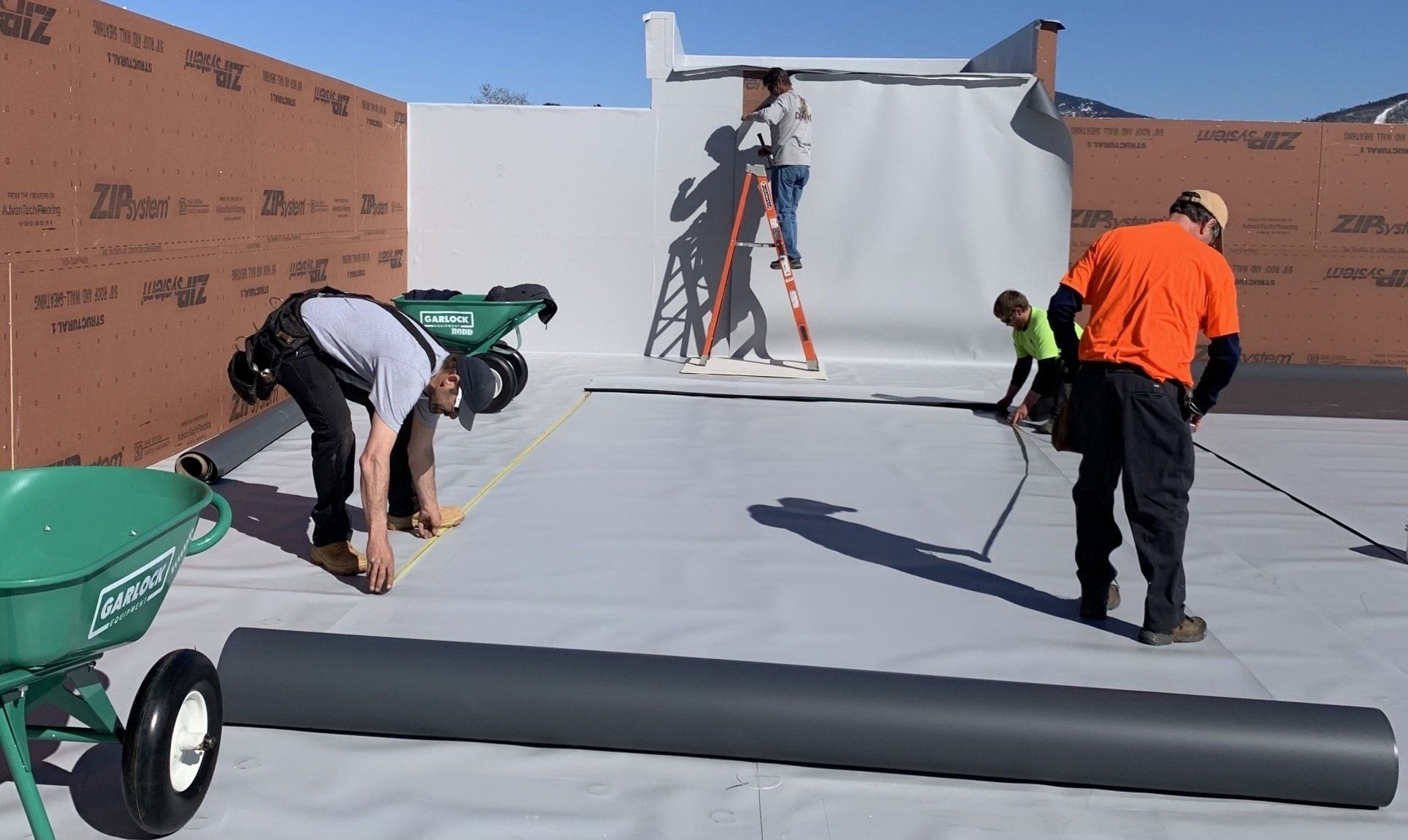
TPO roofs are made of thermoplastic polyolefin, a form of rubber that combines polypropylene and ethylene-polypropylene rubber. TPO roofing membrane is a single-ply roofing membrane. TPO is relatively new but has been around for about 25 years. It comes in ten-foot-by-one-hundred-foot rolls that can be used in a variety of ways. TPO is available in a range of thicknesses, including 45 mil, 60 mil, and 80 mil. Polypropylene (PP) and ethylene-propylene rubber (EPR) polymers are used to make the membrane. This blend also contains a variety of unique compounds that provide increased durability and resistance to extreme weather conditions. Pigments, UV absorbers, flame retardants, and other additives are among them. Two TPO membranes are fused together using a polyester fabric "scrim" in between the plies to make reinforced TPO. TPO is a long-lasting, high-value roof system that may be used on a wide range of commercial, industrial, and multi-family roofs.
TPO roofs are a popular alternative for commercial building owners due to their moderate costs. Covering a 20,000 square foot roof with single-ply roofing, for example, can be pricey in terms of both materials and labor. There are a few factors to consider when looking for the greatest deal.
The size of the commercial roof, the current state of the existing rooftop, and how difficult it is for workers to access the roof are all factors to consider. The type of insulation, membrane, and installation are all important considerations. The type of warranty has a big impact on the pricing.
What are the benefits of TPO roofs?
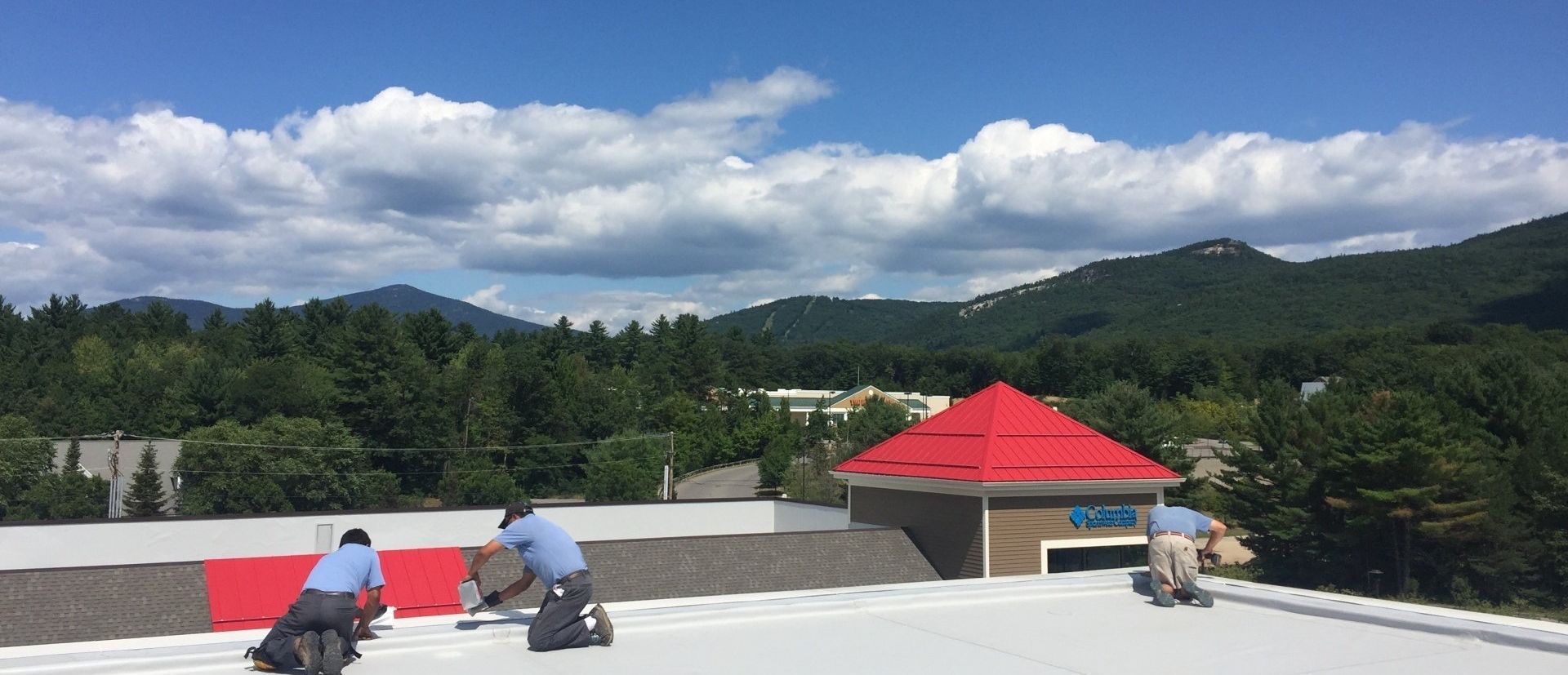
TPO roofing membranes are heat reflecting and energy efficient, in addition to being one of the most affordable materials on the market. The TPO roof reflects the sun's UV rays since they're primarily lighter in color. In the summer, indoor heat accumulation is reduced, and energy consumption is drastically lowered.
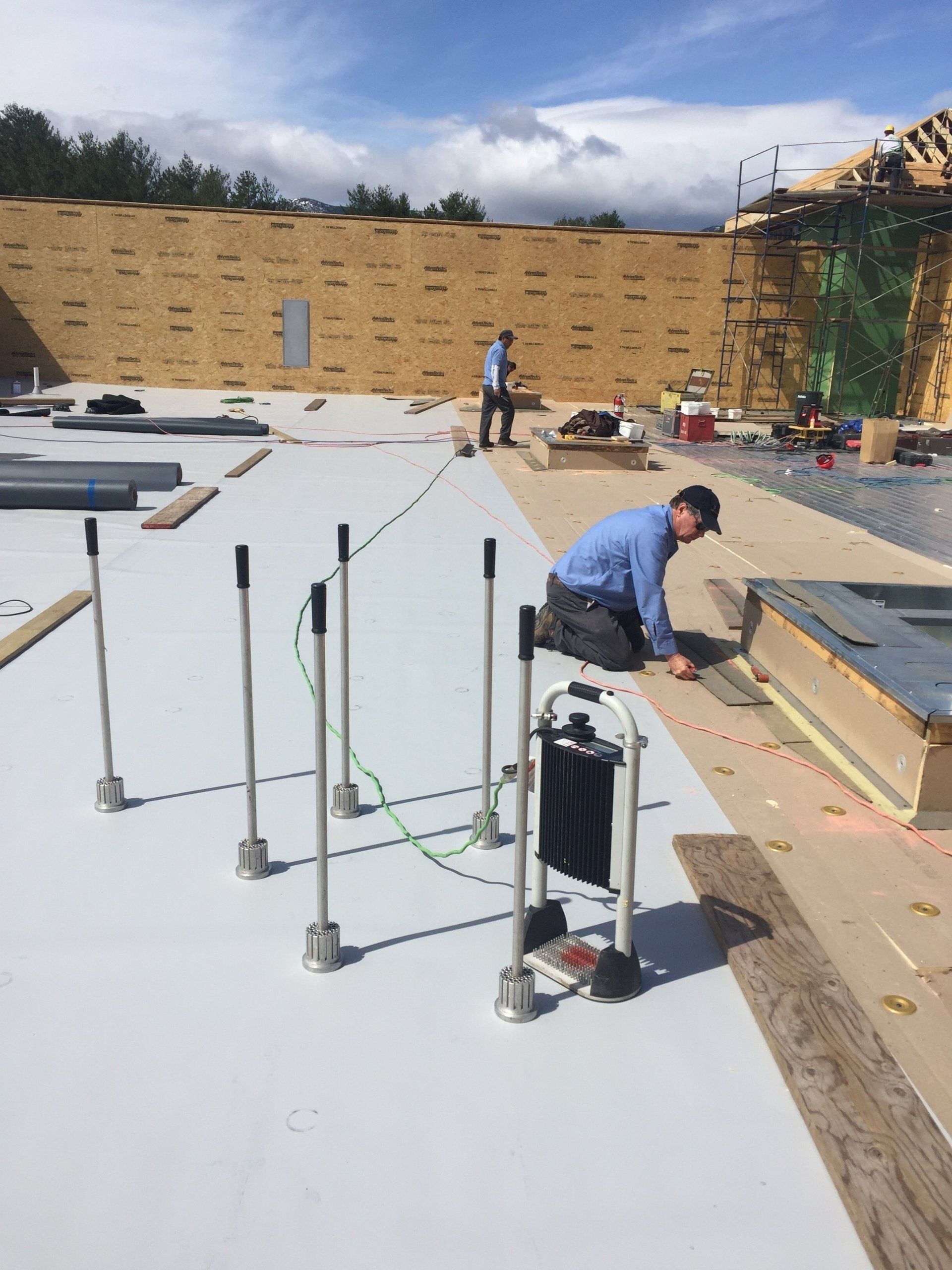
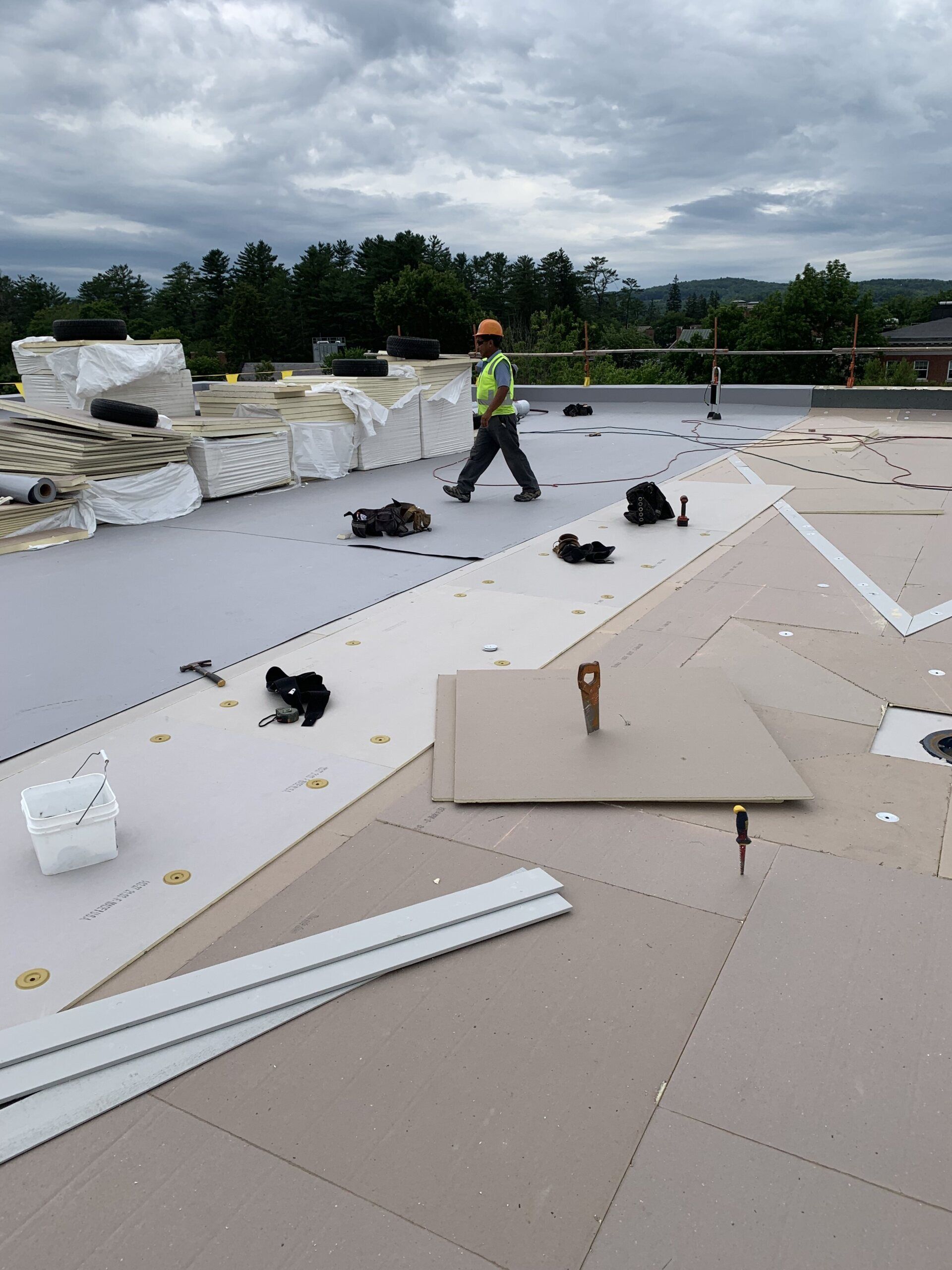
TPO roofs are also more easier to install than older roofing systems. Adhesives or direct attachment of the TPO roof to the roof deck are both options.
TPO roofs have the advantage of being flexible and resistant to corrosion.
TPO roofing systems are fairly resistant to punctures, tears, and dirt buildup due to their strength.