The Most Economical Roofing Options

Affordable Roofing Solutions:
Best Choices for Cost-Conscious Homeowners
When it comes to roofing, homeowners often seek a balance between durability, aesthetics, and cost. Fortunately, there are several economical roofing options available that don’t compromise on quality. Here are some of the most cost-effective roofing materials to consider for your next roofing project.
Asphalt Shingles
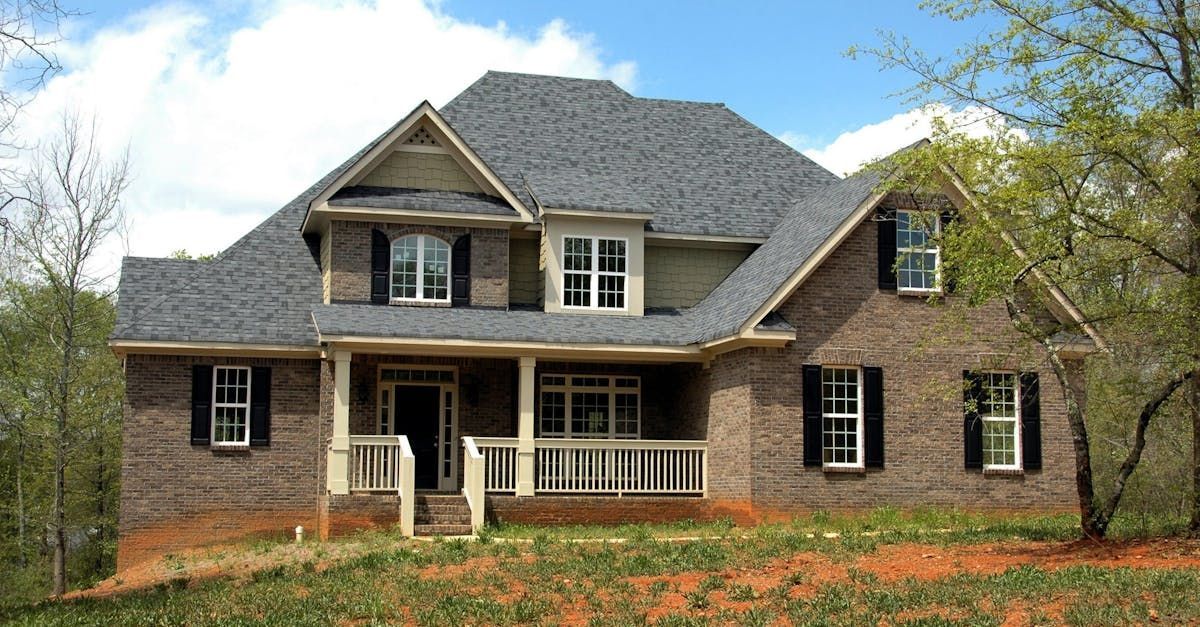
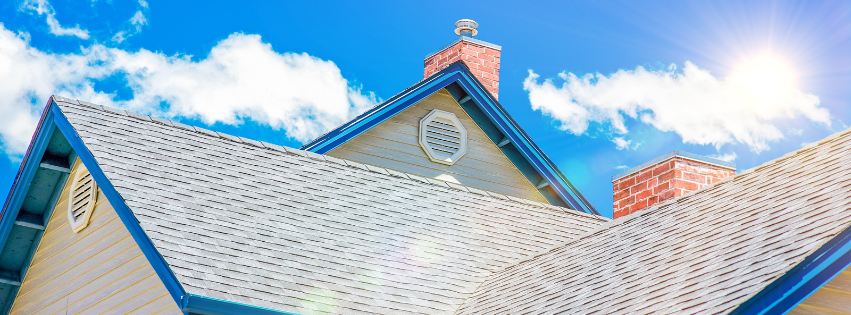
Asphalt shingles are the most popular and economical roofing option in the United States. They are known for their affordability, ease of installation, and versatility. Available in a wide range of colors and styles, asphalt shingles can suit various architectural designs. They typically last between 15 to 30 years, depending on the quality and maintenance. For homeowners looking for a budget-friendly option that still offers reliable performance, asphalt shingles are an excellent choice.
Metal Roofing
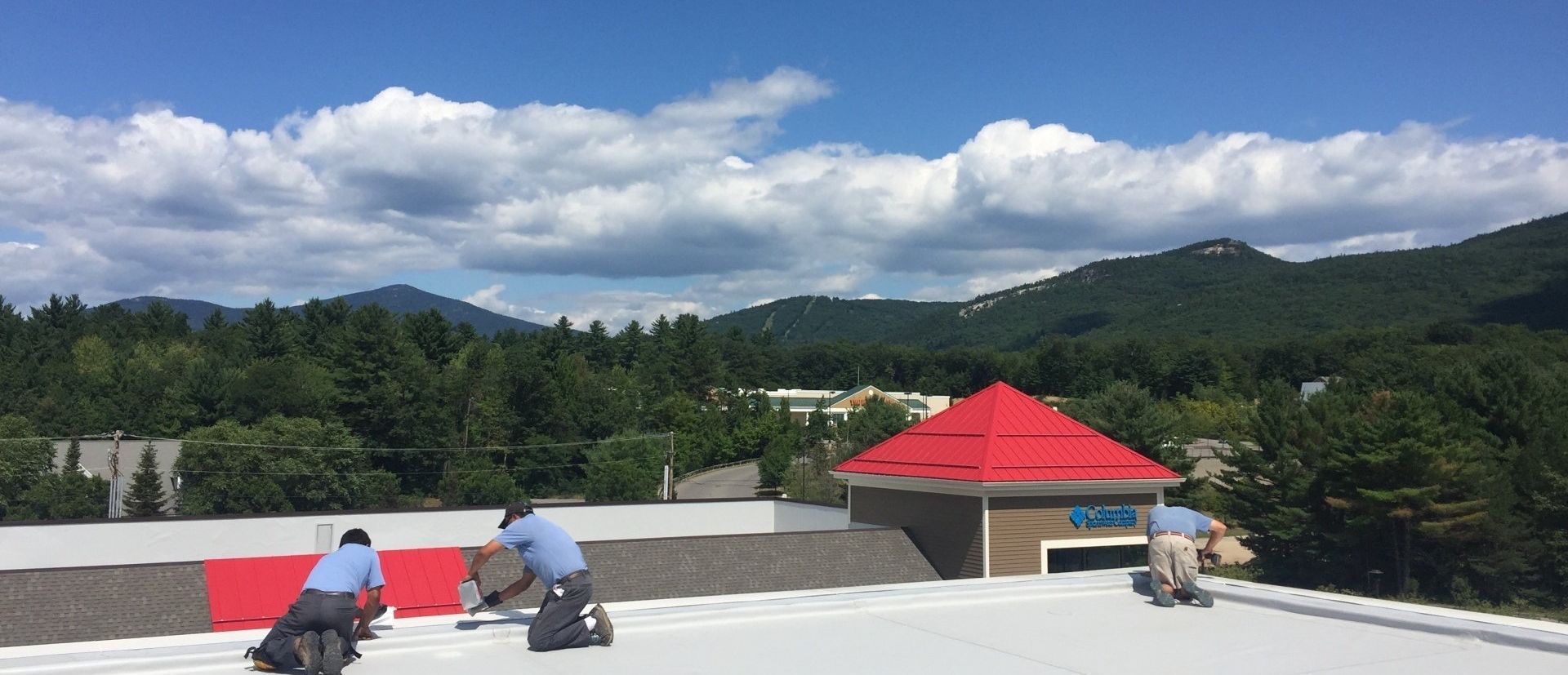
Metal roofing has gained popularity due to its durability and energy efficiency. While the upfront cost of metal roofing can be higher than asphalt shingles, it proves economical in the long run. Metal roofs can last 40 to 70 years and require minimal maintenance. They are also highly reflective, which can reduce cooling costs in hot climates. For those willing to invest a bit more initially, metal roofing offers long-term savings and durability.
Rolled Roofing
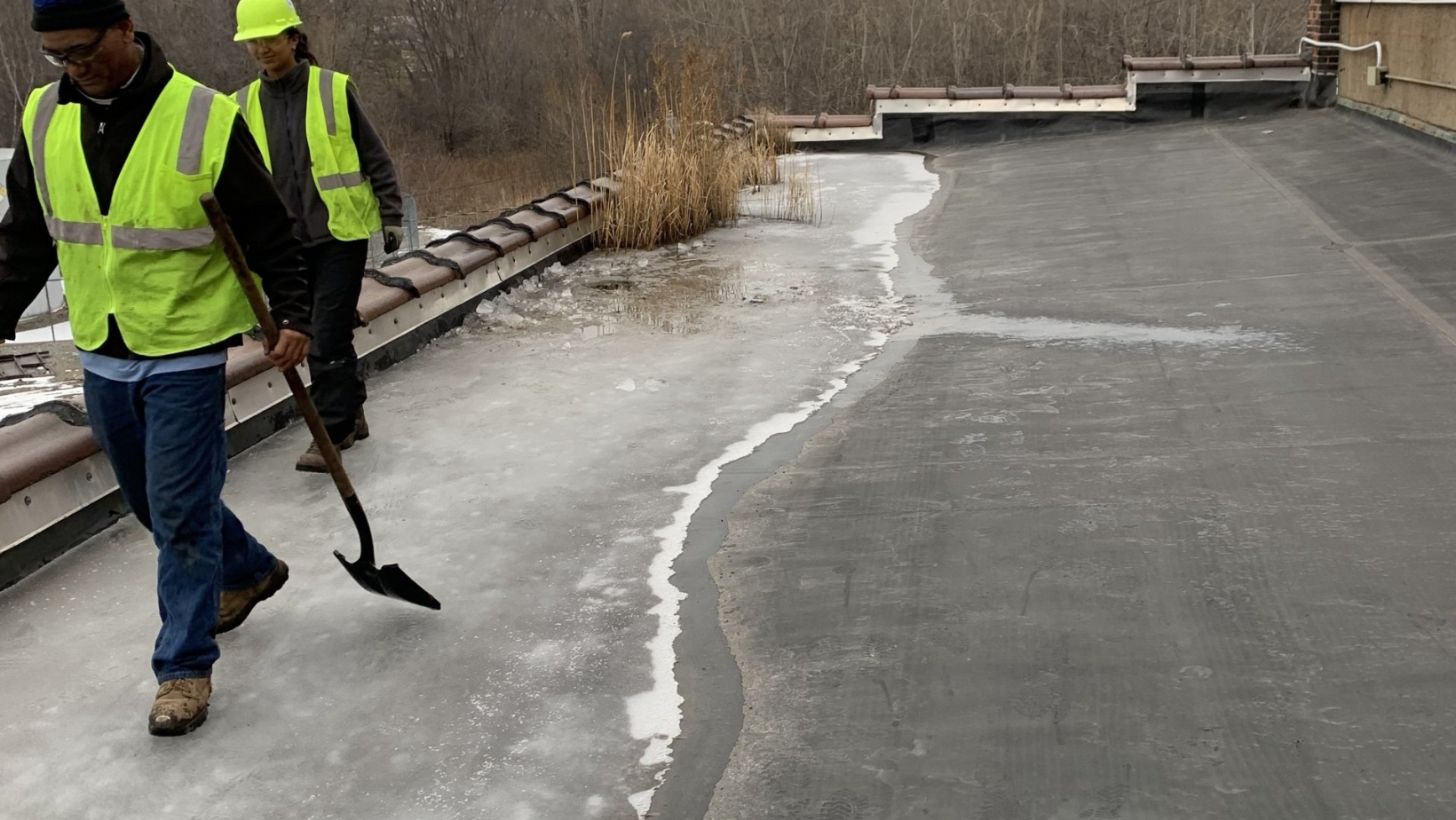
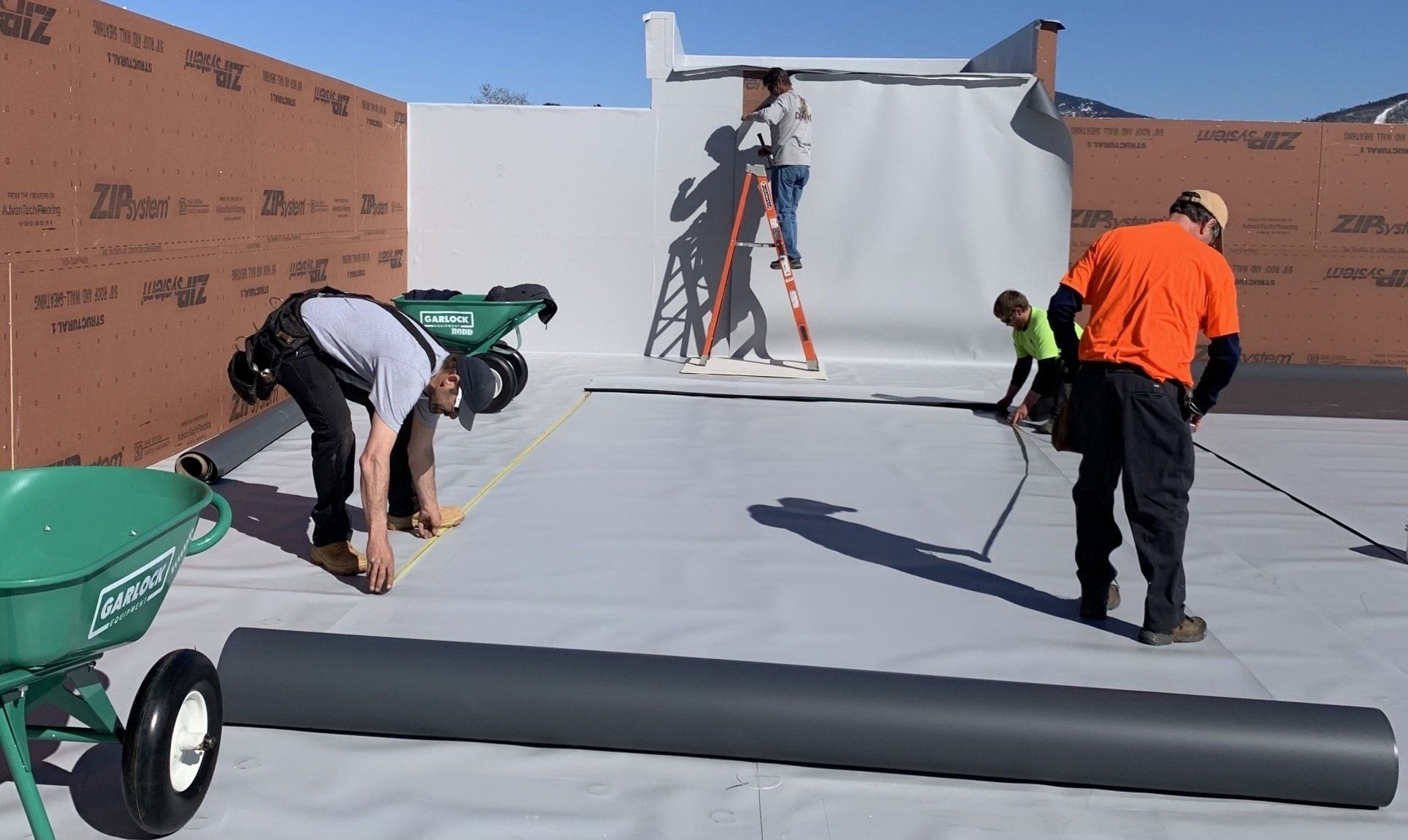
Rolled roofing is one of the cheapest roofing options available. It is primarily used for low-slope roofs and sheds. Made from the same materials as asphalt shingles, rolled roofing comes in rolls and is easy to install, making it a favorite for do-it-yourself projects. While it lacks the longevity and aesthetic appeal of other materials, it is a quick and cost-effective solution for outbuildings or temporary structures.
Wood Shingles & Shakes
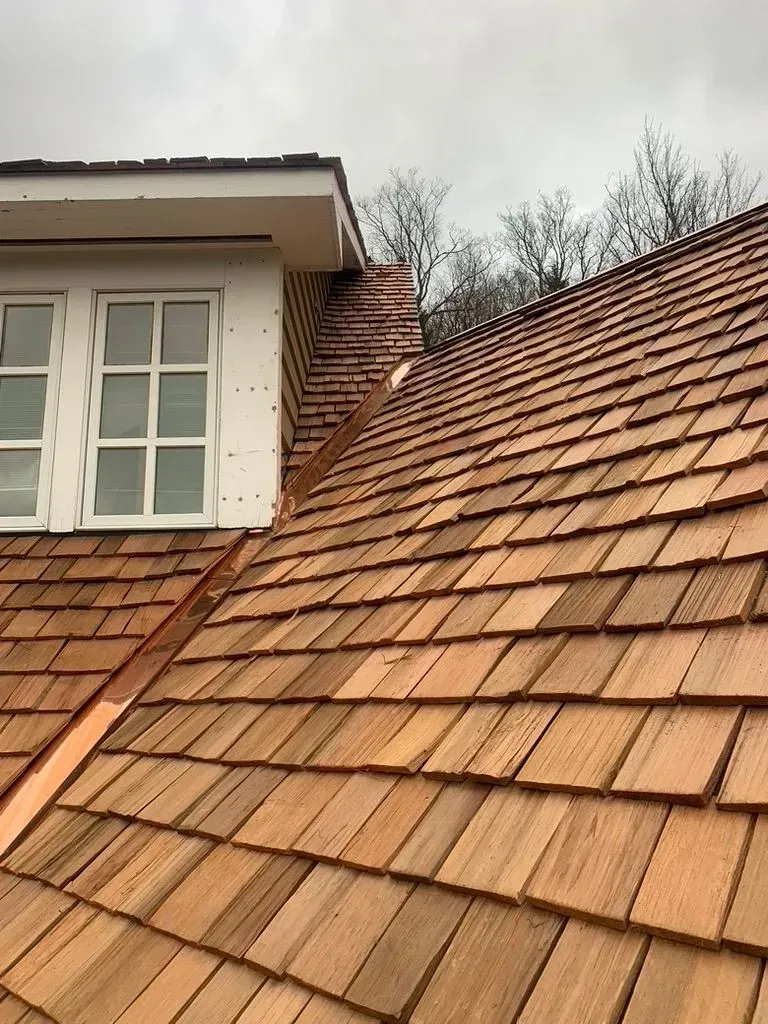
Wood shingles and shakes provide a natural and rustic look, making them a popular choice for homes with a more traditional aesthetic. While they can be more expensive than asphalt shingles, they are still considered economical compared to high-end roofing materials like slate or tile. With proper maintenance, wood roofing can last 20 to 40 years. They offer decent insulation properties, which can help reduce energy costs.
Synthetic Slate Roofing
Synthetic slate roofing is designed to mimic the appearance of natural slate but at a fraction of the cost. Made from a combination of plastic and rubber, synthetic slate tiles are lightweight, durable, and resistant to extreme weather conditions. They typically last between 40 to 50 years and require minimal maintenance. For homeowners wanting the elegant look of slate without the hefty price tag, synthetic slate is a viable option.
Choosing the right roofing material involves considering various factors, including cost, durability, aesthetics, and maintenance. Asphalt shingles, metal roofing, rolled roofing, wood shingles, and synthetic slate all offer economical options for homeowners. By weighing the initial investment against long-term benefits, you can find a roofing solution that fits your budget and meets your needs. Investing in a cost-effective roofing material not only enhances your home’s curb appeal but also provides reliable protection for years to come.