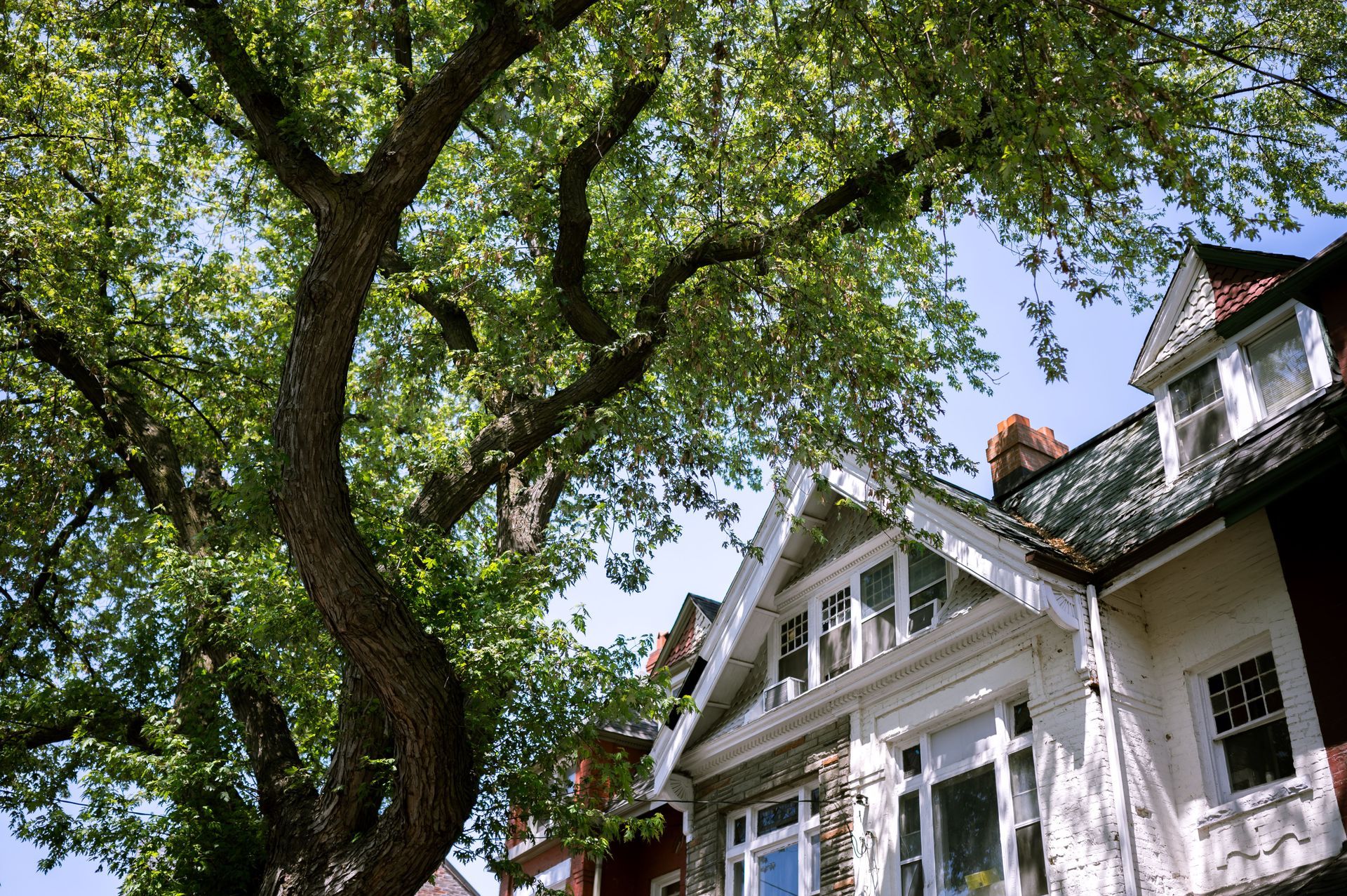

Roofing in the Heat: Our High-Heat Safety Checklist
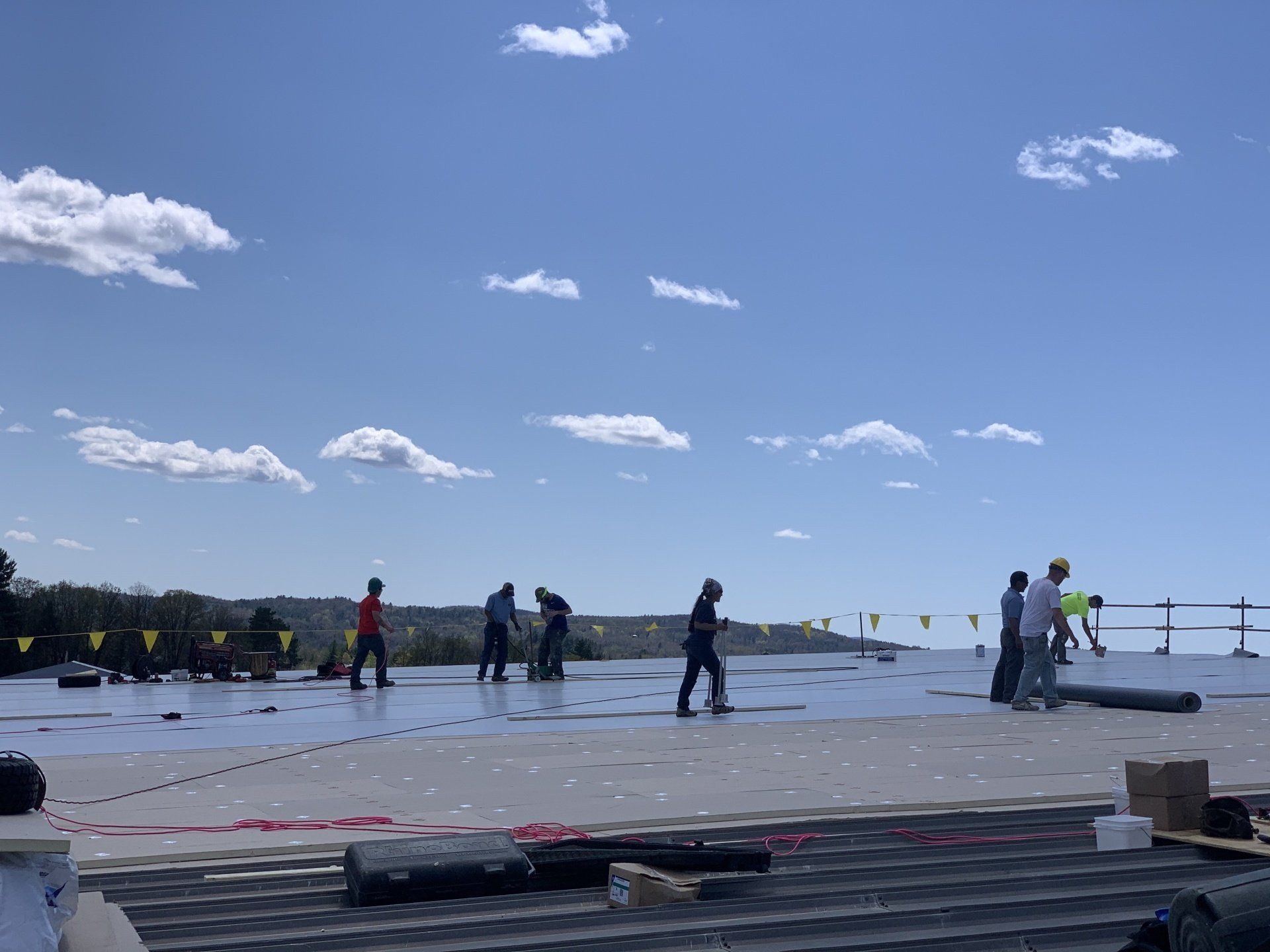
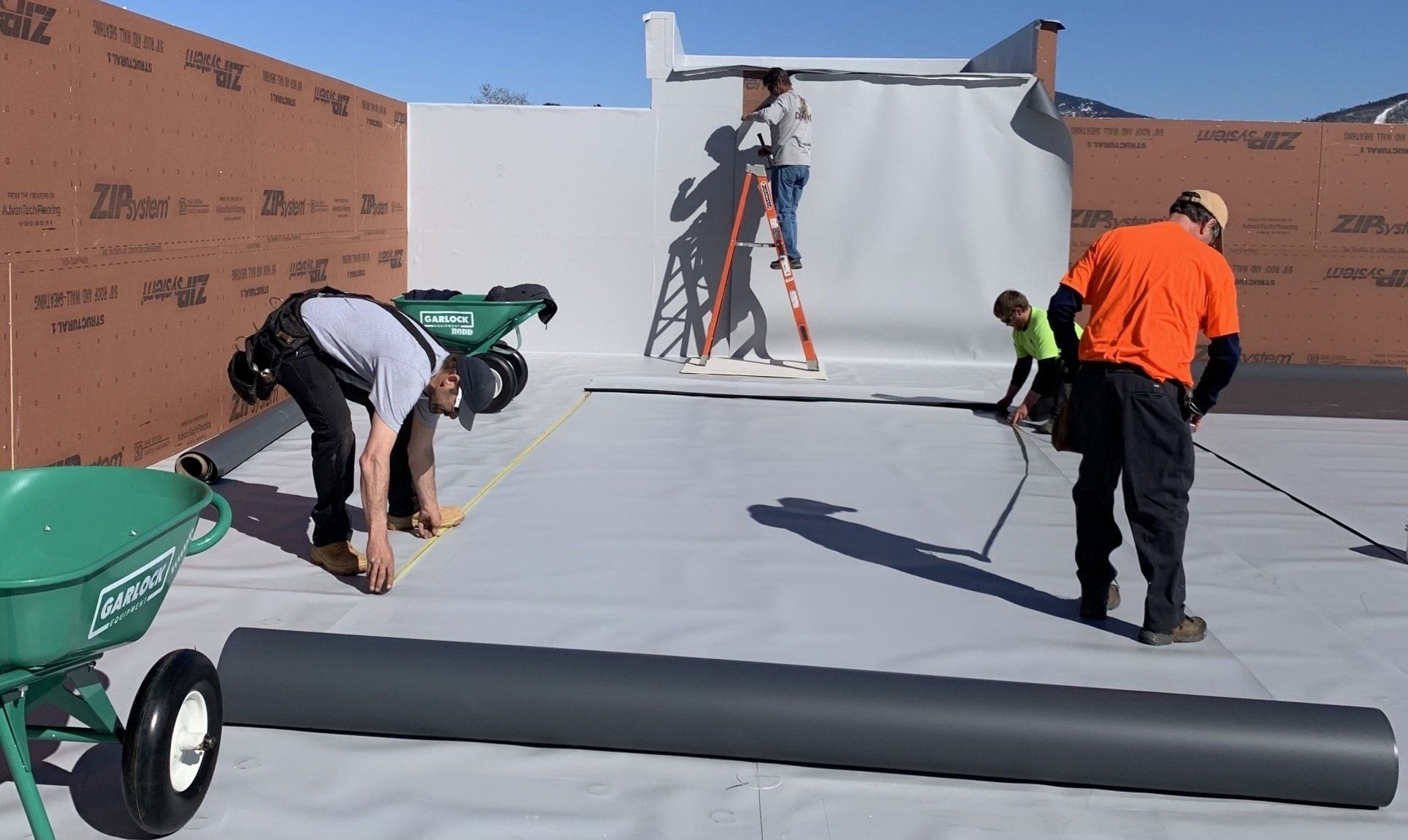
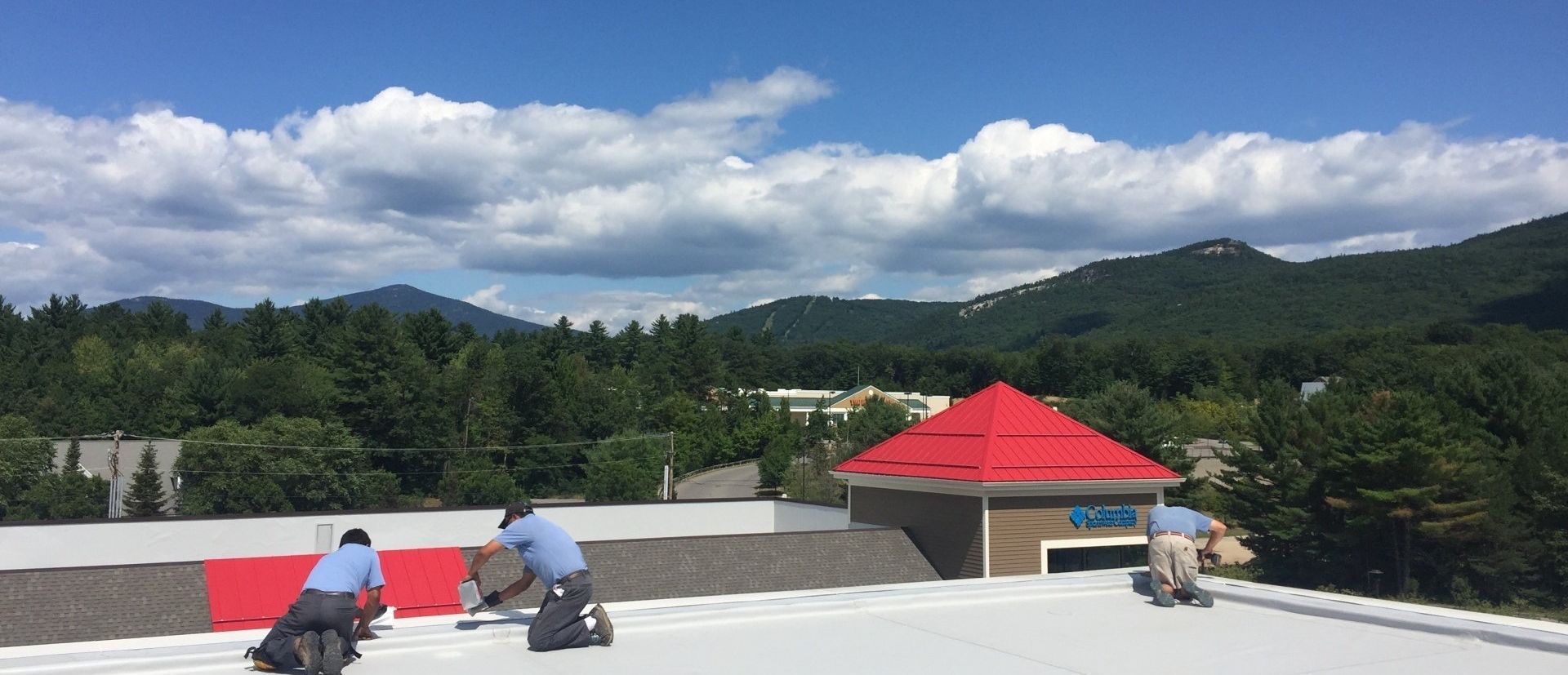
Rood roofing employees coat flat commercial roof in New Hampshire

Roofing Safely In The Heat

Our Checklist for Keeping Crew and Project on Track

When summer temperatures soar, roofing work becomes more than just a tough job—it turns into a serious safety challenge. At our roofing company, keeping our crew safe during high heat is a top priority. Roofing in the sun requires extra care, planning, and precautions to avoid heat-related illnesses and ensure every project runs smoothly. Here’s a look at the safety checklist we follow whenever the mercury rises.

Stay Hydrated, Stay Alert

The sun beating down on a rooftop can quickly lead to dehydration. Our team always has access to plenty of water, and regular breaks are scheduled to keep everyone hydrated and alert. We know that staying properly hydrated is the first defense against heat exhaustion.

Protective Clothing and Sun Safety

Wearing the right gear is essential. Our crew wears lightweight, breathable clothing that reflects sunlight rather than absorbing it. Hats, UV-blocking sunglasses, and broad-spectrum sunscreen are standard to protect skin and eyes from harmful rays during long hours outside.

Timing Work to Avoid Peak Heat

Whenever possible, we arrange the heaviest labor during cooler parts of the day—early morning or late afternoon. Avoiding the midday sun reduces the risk of overheating and helps our crew stay focused and energized throughout the day.

Watching for Heat-Related Symptoms

Our team is trained to spot early warning signs of heat stress such as dizziness, nausea, or excessive sweating. If anyone shows symptoms, work stops immediately, and appropriate cooling measures are taken.

Roofing is demanding work, especially in the heat. That’s why it’s important to trust experienced professionals who know how to handle these conditions safely. If you’re planning a roofing project during the warmer months, rest easy knowing that our team follows strict safety protocols to protect themselves—and your home.
Contact Us
Raindrops splash onto a dark, wet surface, creating ripples and bubbles in a heavy downpour.
April 16, 2026
Prepare your commercial roof for spring storms by addressing winter damage, drainage issues, and wind risks before costly repairs arise.
Raindrops splash into deep, shimmering puddles on a wet pavement with a blurred red building in the background.
April 9, 2026
Spring rain often exposes roof damage caused by winter—learn the warning signs and why a post-winter inspection can prevent costly repairs.
Melting snow and an icicle hang from a red metal roof under a bright blue sky.
March 26, 2026
As snow melts and temperatures fluctuate, hidden winter roof damage can surface—learn what to look for and why a professional spring inspection is essential.
A low-angle view of shiny metal roofing panels with vertical seams against a bright blue sky with a few clouds.
March 19, 2026
Explore how asphalt, metal, slate, copper, single-ply membranes, and silicone coatings perform in Vermont’s demanding climate.
Icicles hanging from the dark brown edge of an umbrella against a clear blue sky.
March 12, 2026
March is the ideal time to inspect your roof after winter stress—learn what to look for and why scheduling a professional spring evaluation can prevent costly leaks.
March 5, 2026
Ensure your commercial roof drains, scuppers, and gutters are ready for spring storms—prevent ponding water and costly interior damage with proactive maintenance.
Flat, black roof with ice and snow. Brown brick trim, bare trees and a snowy background.
February 26, 2026
February’s freeze-thaw cycles put flat roofs at risk—learn how low-slope pooling, frozen scuppers, and blocked internal drains create hidden hazards and why pre-thaw maintenance is critical.
Worker in safety vest and hard hat chipping ice with a shovel on a commerical roof.
February 19, 2026
Learn how unchecked ice buildup can crack flashings, block drains, and force water under roof seams—causing damage that worsens with every winter freeze-thaw cycle.
Two-story house covered in snow, with black shutters and a red door, during a winter day.
February 12, 2026
From stained ceiling tiles to ice at parapet walls, discover five subtle winter warning signs that may indicate hidden roof damage and growing freeze-thaw stress.
Workers on a rooftop in a snowy environment. They are wearing safety vests and helmets, working near a ladder.
February 5, 2026
February’s freeze-thaw cycles put flat roofs at peak risk—learn which commonly overlooked areas like expansion joints, scuppers, and HVAC curbs need professional attention before problems escalate.