Roofing 101: A Guide to Roofing Terminology

Roofing 101
Key Roofing Terminology Explained
Roofing terminology can often sound like a foreign language to homeowners. Still, knowing some of the essential terms can be a great advantage when discussing your roofing needs with professionals. In this blog post, we'll simplify the language by explaining the major roofing terms you should be familiar with:
Asphalt Shingles
Asphalt shingles are the most common roofing material, made of a base material covered with asphalt and granules. They come in various styles and are known for their affordability and versatility.
Flashing
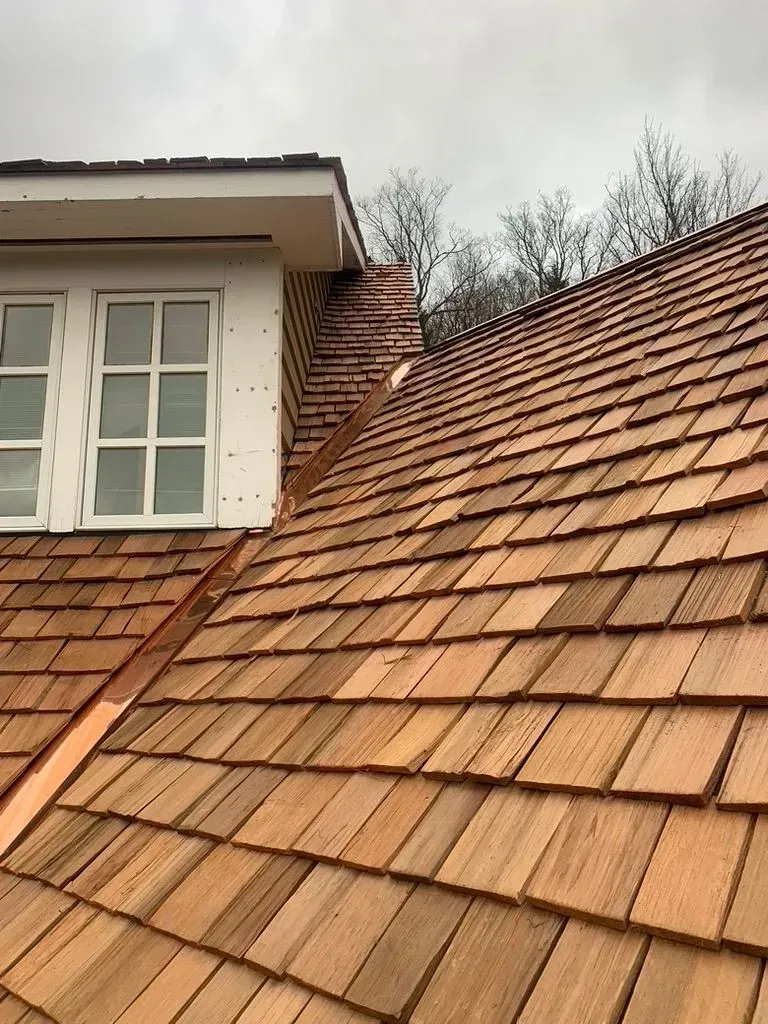
Flashing is a weather-resistant material, typically made of metal, used to seal and protect vulnerable roof areas, like joints, valleys, and roof penetrations, preventing water from infiltrating.
Decking
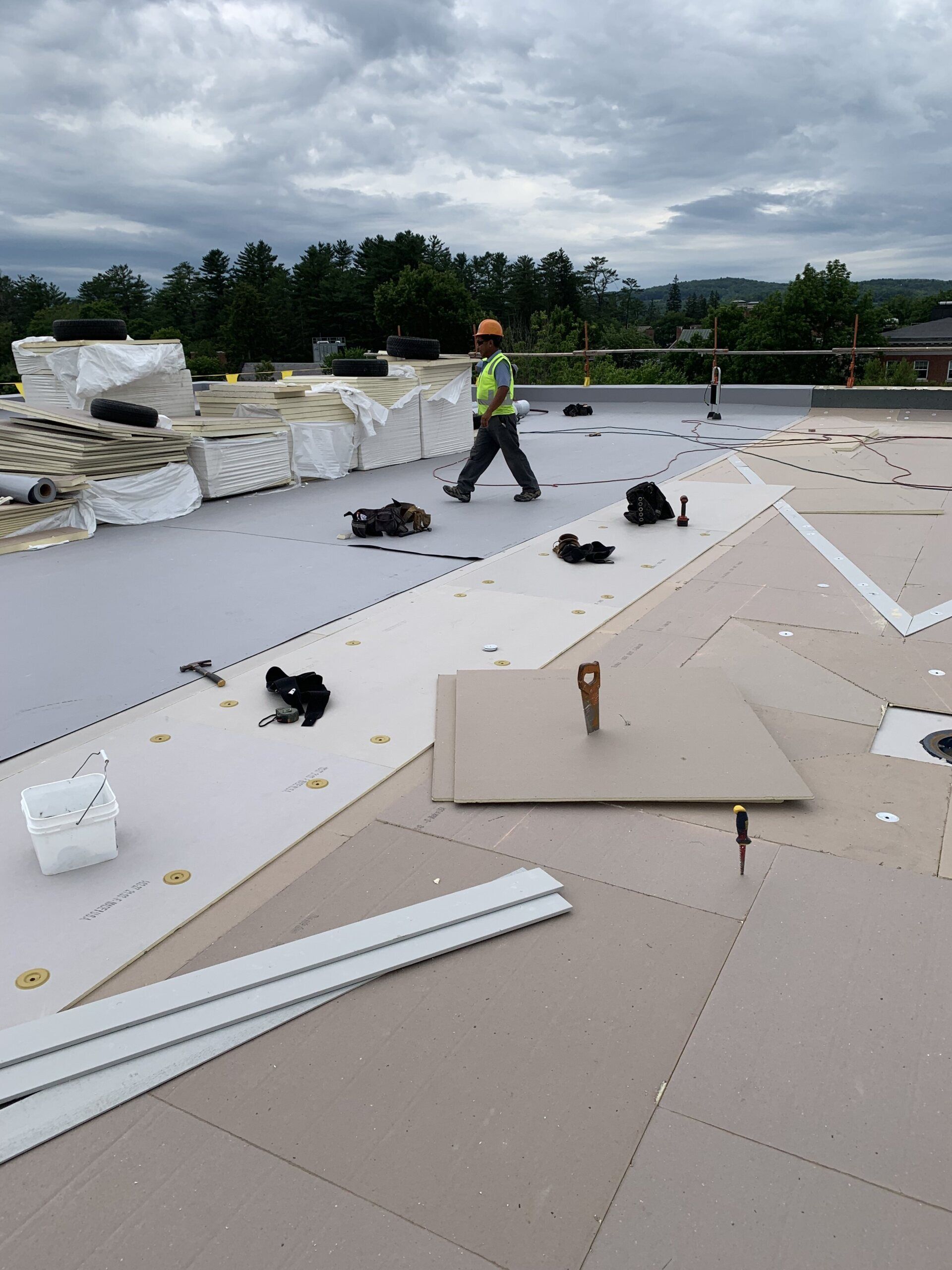
Roof decking is the structural base of the roof, often made of plywood or oriented strand board (OSB). It provides support for the roofing materials.
Underlayment
Underlayment is a protective layer installed beneath roofing materials to add an extra barrier against moisture. It's usually made of felt or synthetic materials.
Ridge Vent
A ridge vent is a ventilated ridge cap installed at the peak of the roof. It helps maintain proper attic ventilation, regulating temperature and moisture levels.
Drip Edge
A drip edge is a metal strip placed along the edge of the roof to guide water away from the fascia and into the gutters, preventing water damage and rot.
Ice & Water Shield
Ice and water shield is a self-adhesive membrane installed in vulnerable areas, such as eaves and valleys, to prevent water infiltration, especially in areas prone to ice dams.
Valley
A valley is where two sloping roof sections meet at an angle, usually creating a V or U-shaped area. This area channels rainwater or snowmelt towards the roof's gutter or drainage system. Special flashing and installation techniques are used to ensure proper water drainage.
Fascia
Fascia is the board running along the edge of a roof, connecting it to the outer walls. It provides a solid foundation for attaching gutters, and also protects the exposed edges of the roof and underlying structure from the elements.
Pitch
Pitch refers to the steepness or angle of the roof. It's often expressed as a ratio, indicating the rise over run, such as 4/12.
Eaves
Eaves are the overhanging edges of the roof that extend past the exterior walls. They are important for water runoff and protection.
Understanding these key roofing terms will help you navigate discussions with roofing professionals and make informed decisions about your roofing projects. When you need assistance with roofing work, don't hesitate to reach out to experts like Rodd Roofing, who can provide guidance and expertise to ensure the success of your roofing projects.