Rodd Roofing's Evaluation Process
Our Evaluation Process
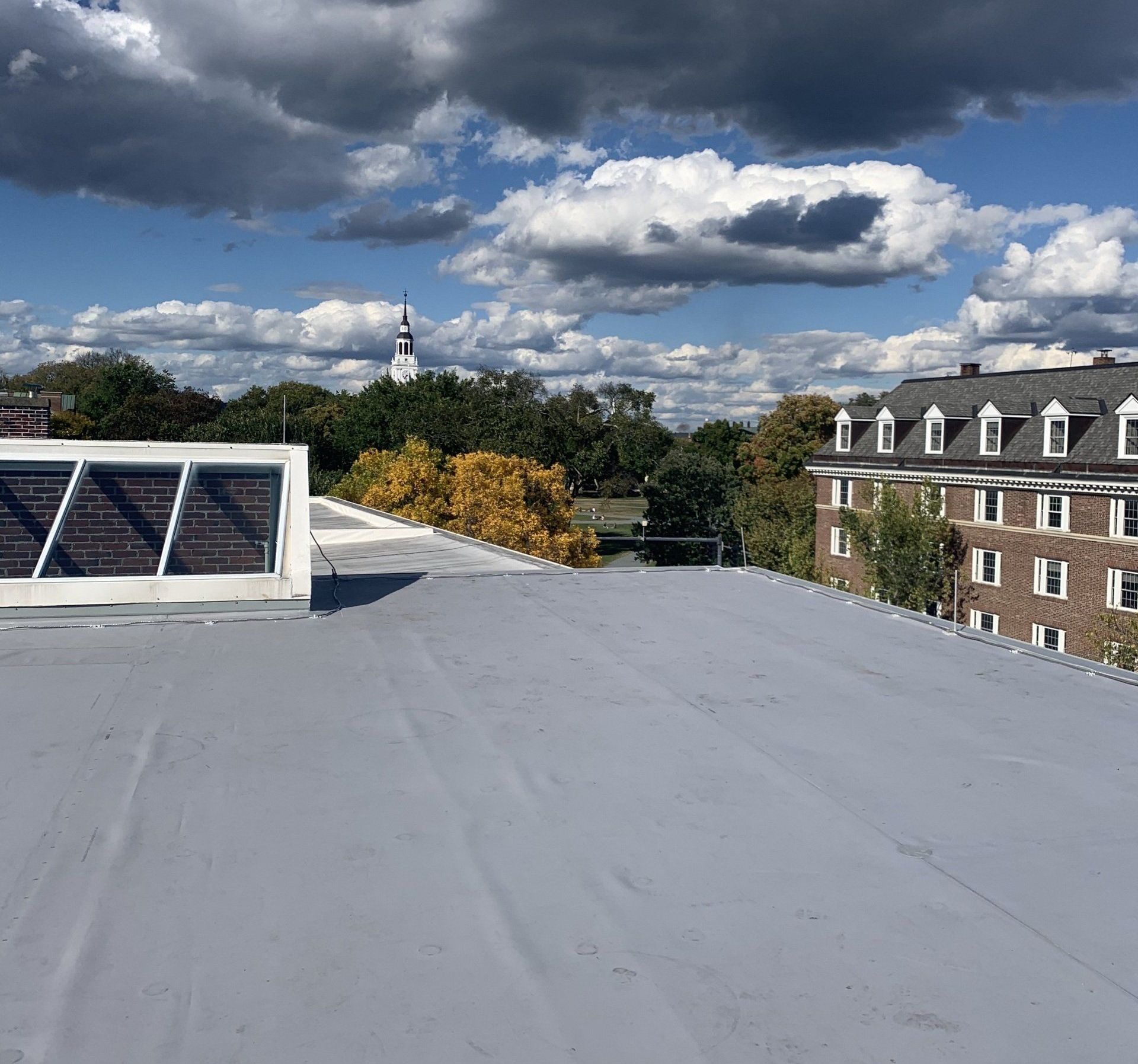
At Rodd Roofing, we take pride in our thorough and comprehensive evaluation process. Our team of experienced professionals follows a strict set of guidelines to ensure that we provide our customers with the best possible service and recommendations for their roofing needs. Below, we'll outline our process so that you can know what to expect.
Measure Roof and Draw Roof Diagram
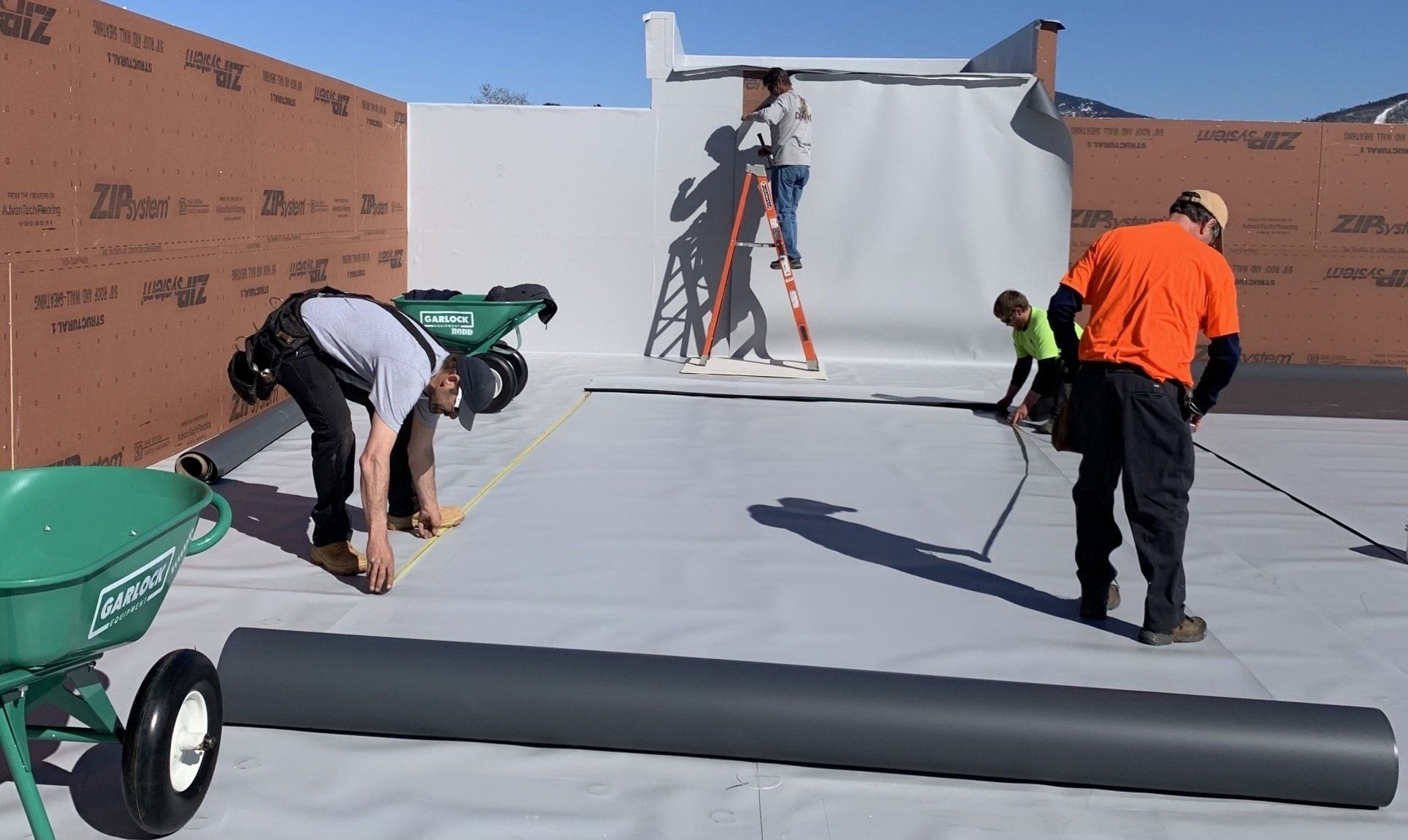
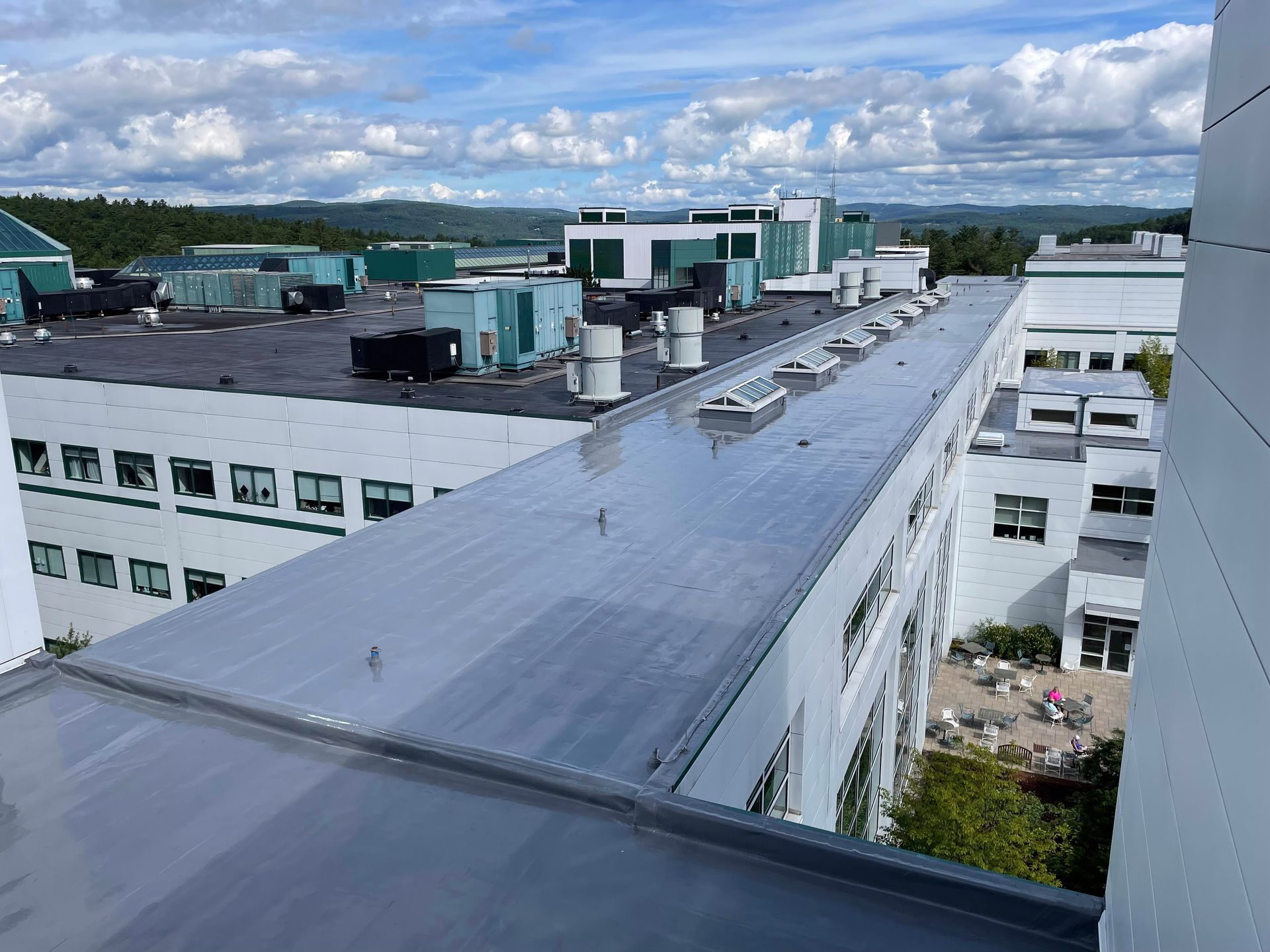
The first step in our evaluation process is to measure the roof and create a detailed roof diagram for future reference. This allows us to accurately assess the size and shape of the roof, as well as any unique features or challenges it may present.
Check for Dislodged or Damaged Metal Drip Edge
Next, we check the metal drip edge for any dislodgement or damage. The drip edge is a crucial component of the roof, as it helps to direct water away from the edges of the roof and into the gutter system. If it is damaged or not properly installed, it can lead to water infiltration and other problems.
Assess Age and Condition of Roofing Product & Check for Signs of Roof Deterioration
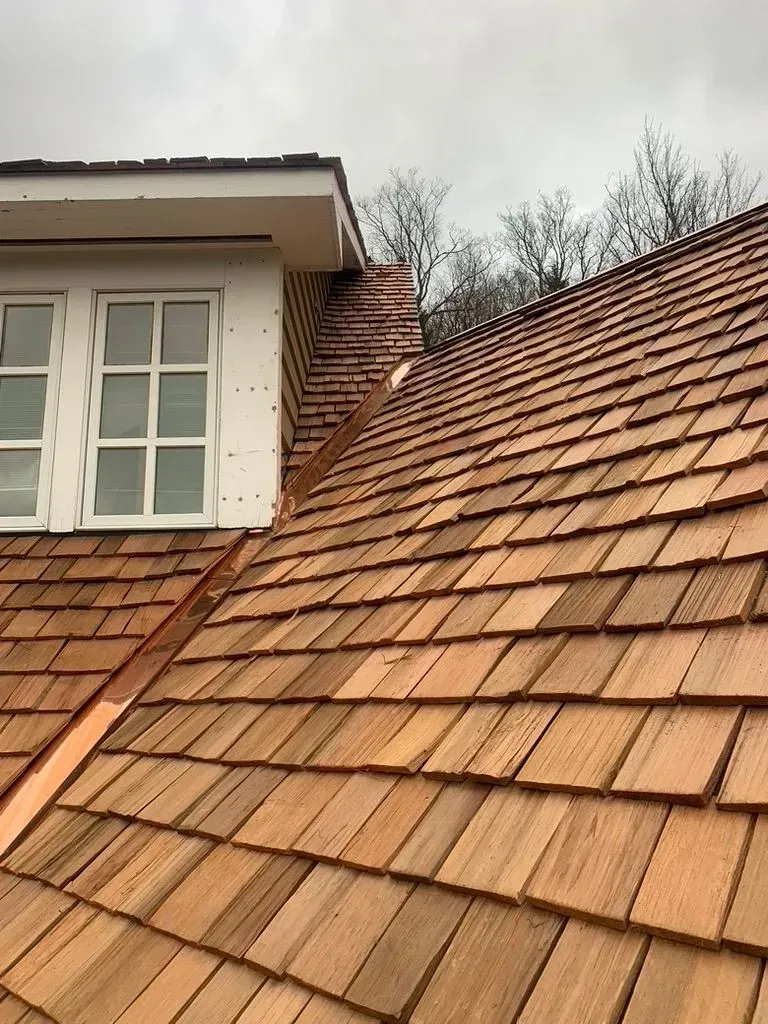
Once we have assessed the condition of the drip edge, we move on to evaluate the age and condition of the roofing product itself. We carefully inspect the condition of the shingles or other roofing material to determine if it is still in good condition or if it needs to be replaced. We also look for any obvious signs of roof deterioration, such as missing shingles or damage from storms or other external factors.
Clean Debris
After inspecting the roofing product, we clean any debris that has accumulated on the roof. This can include leaves, branches, and other debris that has accumulated over time. Removing this debris is important because it can cause water infiltration and other problems if left unchecked.
Check Roof Projections for Signs of Failure
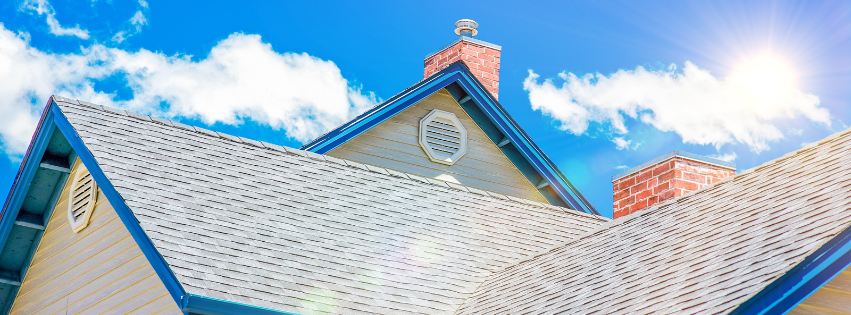
We also check any roof projections, such as skylights or chimneys, for signs of failure. These projections can be vulnerable to water infiltration and other issues, so it is important to make sure they are in good condition.
Identify Potential Hazards to the Roof
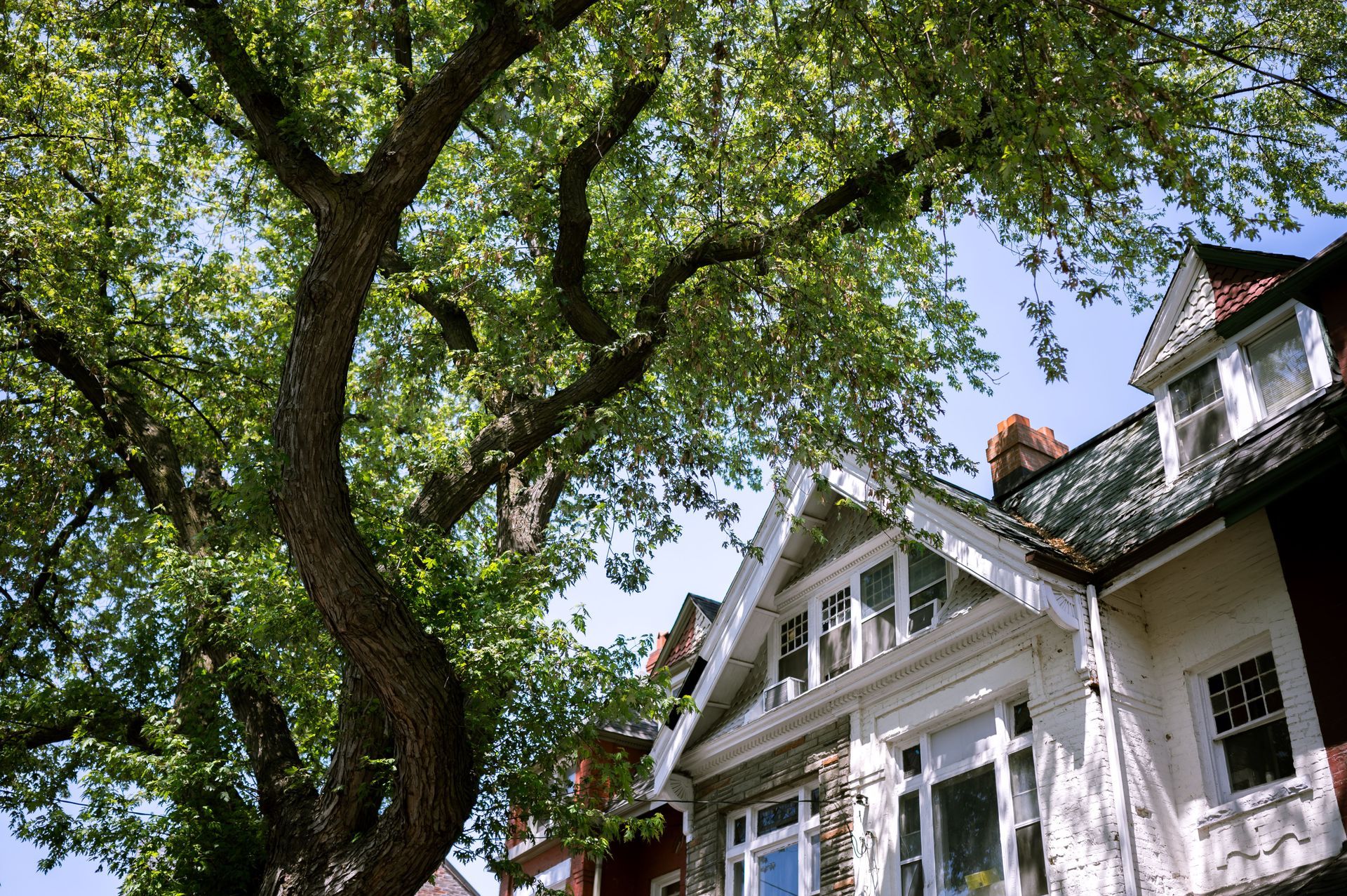
In addition to these steps, we also identify potential future hazards to the roof. This might include trees that are growing too close to the roof or other issues that could potentially cause damage in the future. By identifying these hazards, we can provide our customers with recommendations for how to address them and prevent future problems.
Provide a Detailed Proposal With Recommendations
Finally, we provide a detailed proposal with recommendations for any necessary repairs or replacements. This proposal includes a breakdown of the costs involved and a timeline for completing the work. We strive to be transparent and upfront with our customers about the work that needs to be done, and we are always available to answer any questions or concerns they may have.
Overall, the evaluation process at Rodd Roofing is designed to provide our customers with the best possible service and recommendations for their roofing needs. By following these guidelines, we can ensure that we identify any potential issues and provide our customers with the information they need to make informed decisions about their roofs. So, if you are in need of roofing services, we encourage you to give us a call and experience the superior evaluation process at Rodd Roofing for yourself.