
Factors to Deciding to Repair or Replace a Roof

4 Things to Consider When Deciding To Repair or Replace
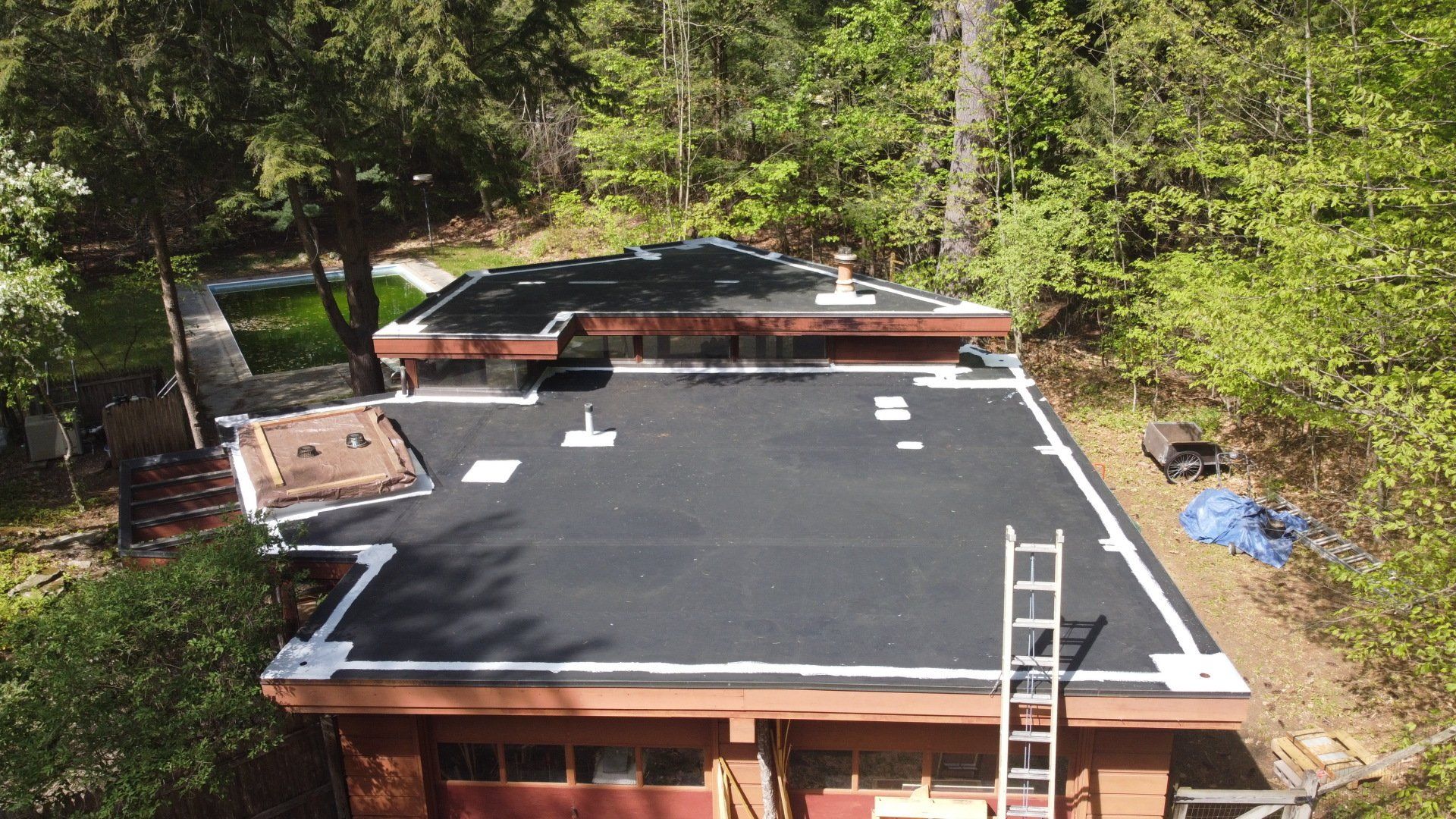
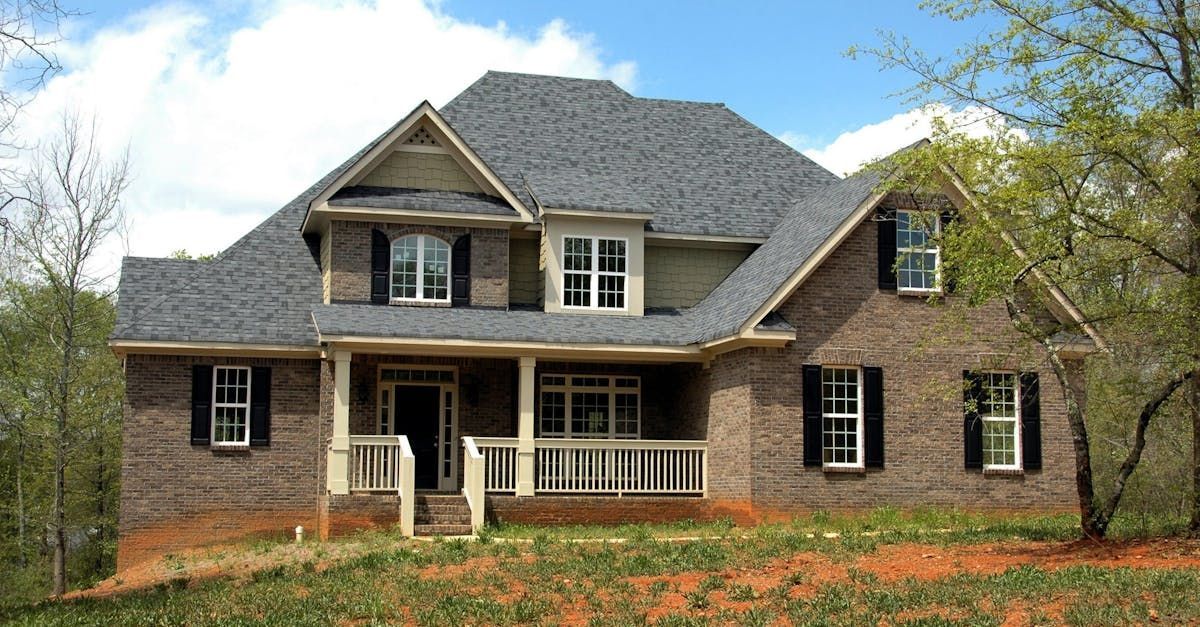
A residential home getting a new roof installed

A major decision is whether to proceed with an industrial roof replacement or repair. You can use the following four criteria to select the response that will work for you:


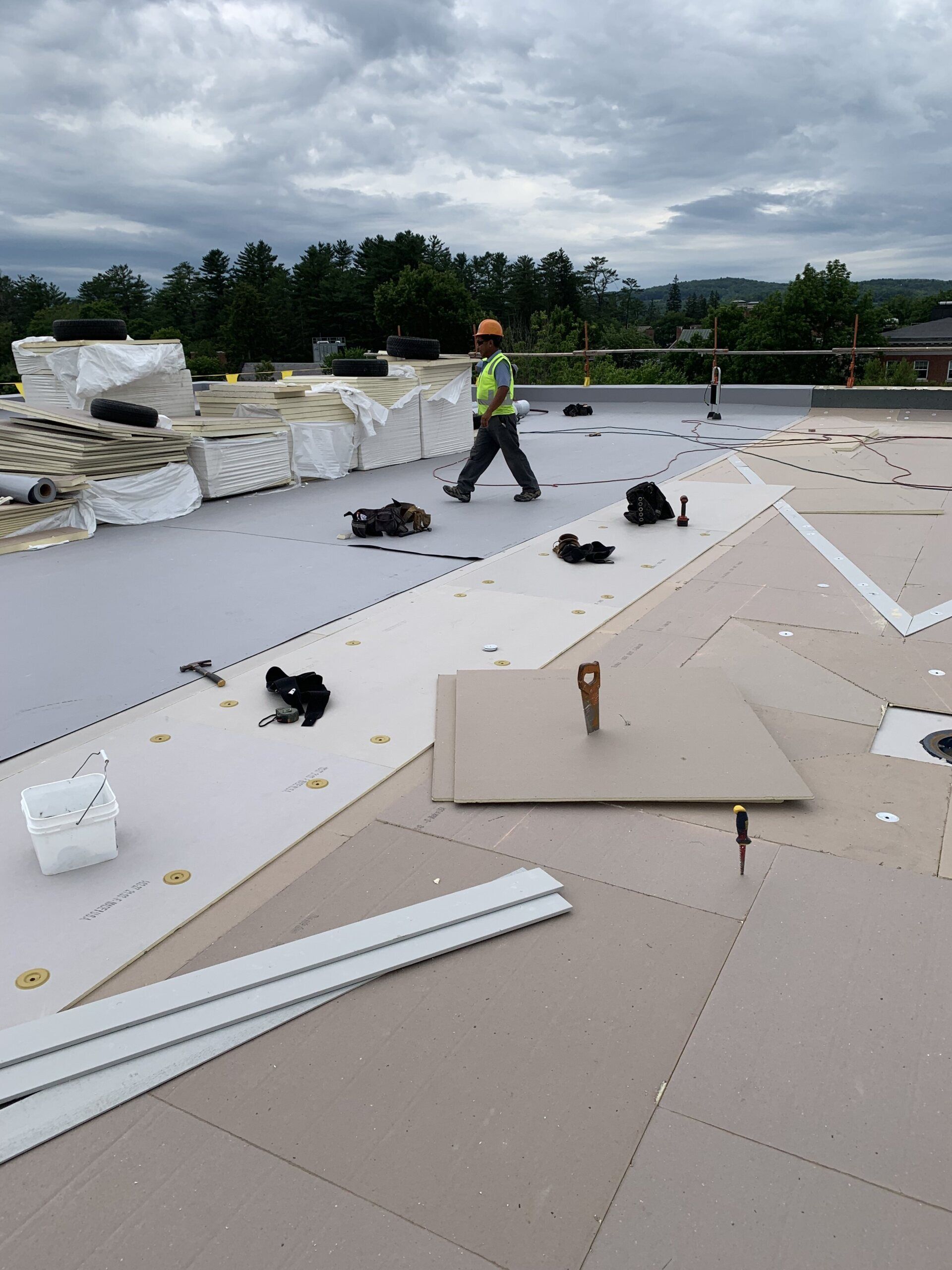
Age of the current roof: If your roof is still within the range of its estimated lifespan, think about having it repaired rather than replaced. Although the majority of industrial roof types have a long lifespan, they will eventually need routine maintenance and repairs. Keep in mind the climate in your location because extreme weather and unstable temperatures can be particularly detrimental to a roof.


Expert Advice: Ultimately, it's in your best interest to have a professional roof specialist — or many of them — visit to your building and evaluate your roof, according to experts. To decide the best course of action and provide advice on whether a repair or replacement is required, they will examine and assess your roof.


Emergency Situation: You probably won't have enough time for a full roof replacement if an emergency with your roof arises, such as a big leak that is harming your building or goods. Instead, have that area—or the entire roof—repaired so a contractor can once more seal it off from water.


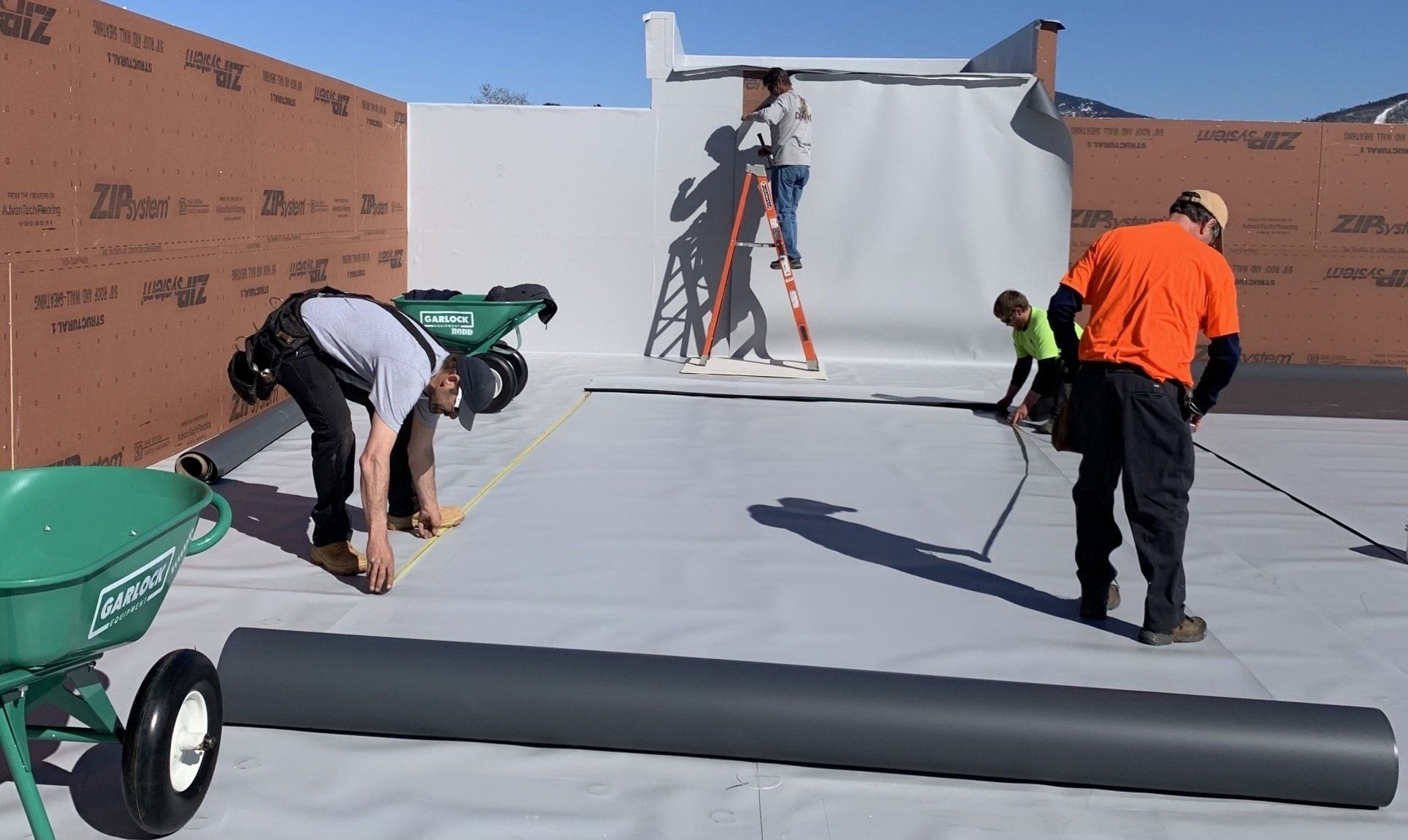
Time constraints: Compared to roof repairs, a complete roof replacement will require much more time. Many roof repairs can be finished in a single day as opposed to weeks for a replacement. A repair is preferable if you want to handle your leaky roof issue fast and effectively.


You should get in touch with a roofing expert right away to have the condition of your roof assessed if you discover it has been compromised, is deteriorating, or has seen water damage. Your building will sustain greater damage the longer your roof is in bad shape.


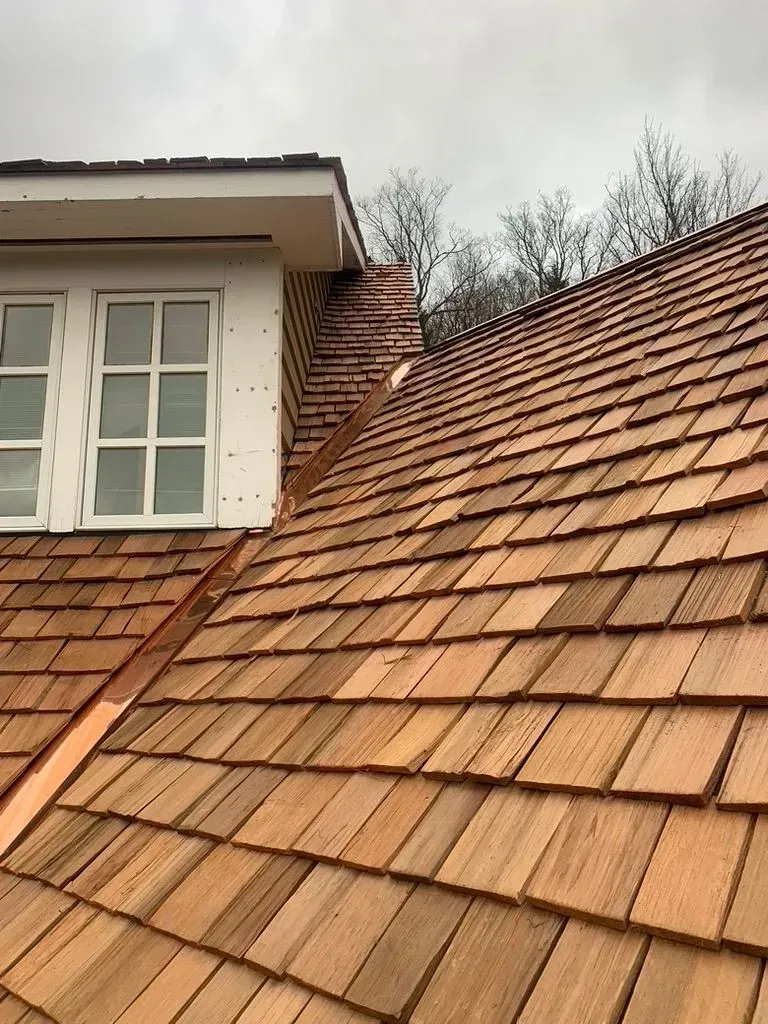
You have a variety of options for repairing or replacing your roof depending on the kind; all you need to do is choose the option that is best for your structure and your budget. Some roof types can be repaired by patching or resealing the damaged portions, but this is not a preventative measure. Nothing is keeping a fresh leak from occurring in a different spot a month from now. Rodd Roofing is here to make sure your business runs as smoothly as possible.
April 23, 2026
Not sure whether to repair or replace your roof? Learn the key factors to consider this spring and make the most cost-effective decision.
Raindrops splash onto a dark, wet surface, creating ripples and bubbles in a heavy downpour.
April 16, 2026
Prepare your commercial roof for spring storms by addressing winter damage, drainage issues, and wind risks before costly repairs arise.
Raindrops splash into deep, shimmering puddles on a wet pavement with a blurred red building in the background.
April 9, 2026
Spring rain often exposes roof damage caused by winter—learn the warning signs and why a post-winter inspection can prevent costly repairs.
Melting snow and an icicle hang from a red metal roof under a bright blue sky.
March 26, 2026
As snow melts and temperatures fluctuate, hidden winter roof damage can surface—learn what to look for and why a professional spring inspection is essential.
A low-angle view of shiny metal roofing panels with vertical seams against a bright blue sky with a few clouds.
March 19, 2026
Explore how asphalt, metal, slate, copper, single-ply membranes, and silicone coatings perform in Vermont’s demanding climate.
Icicles hanging from the dark brown edge of an umbrella against a clear blue sky.
March 12, 2026
March is the ideal time to inspect your roof after winter stress—learn what to look for and why scheduling a professional spring evaluation can prevent costly leaks.
March 5, 2026
Ensure your commercial roof drains, scuppers, and gutters are ready for spring storms—prevent ponding water and costly interior damage with proactive maintenance.
Flat, black roof with ice and snow. Brown brick trim, bare trees and a snowy background.
February 26, 2026
February’s freeze-thaw cycles put flat roofs at risk—learn how low-slope pooling, frozen scuppers, and blocked internal drains create hidden hazards and why pre-thaw maintenance is critical.
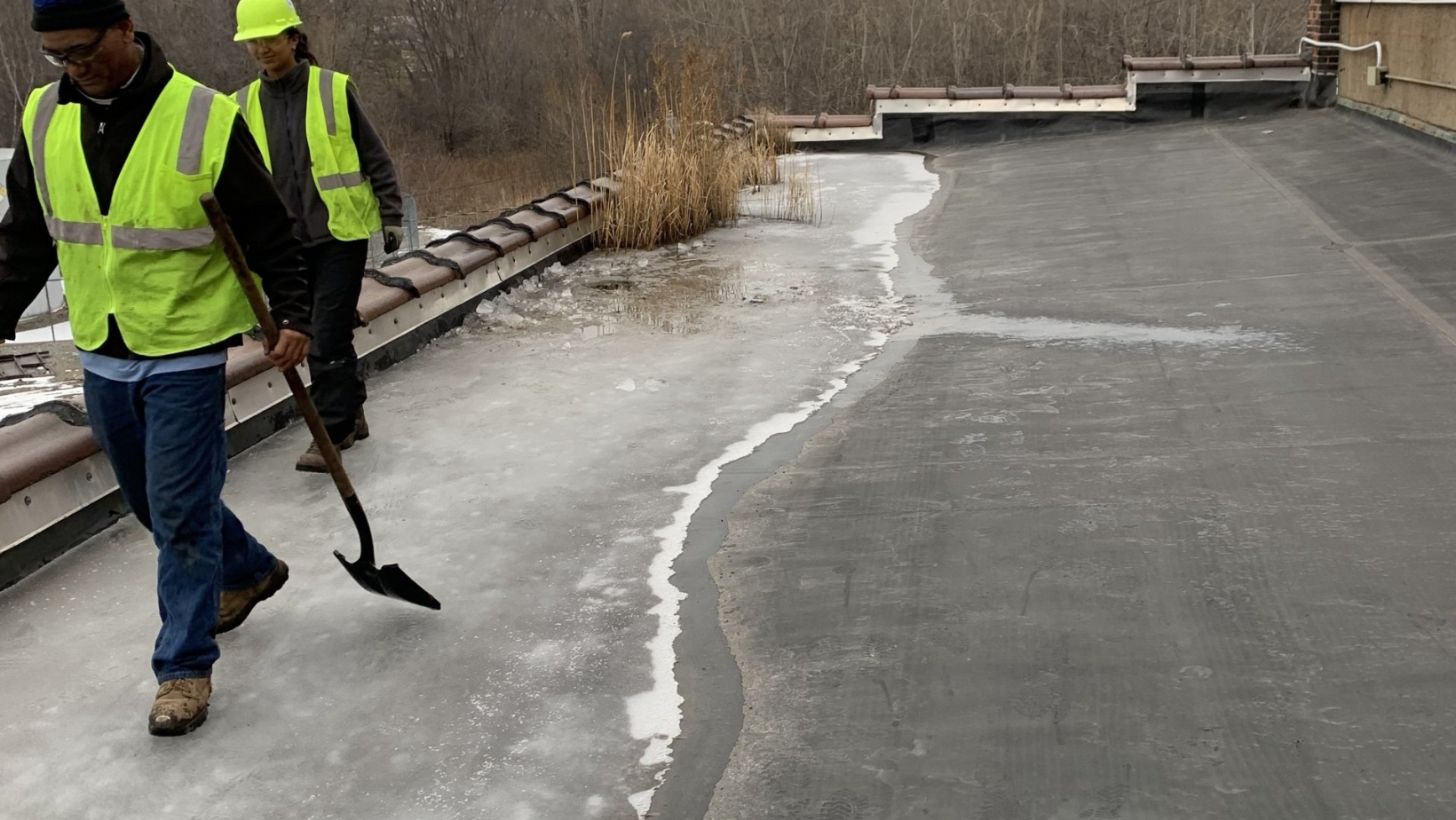
Worker in safety vest and hard hat chipping ice with a shovel on a commerical roof.
February 19, 2026
Learn how unchecked ice buildup can crack flashings, block drains, and force water under roof seams—causing damage that worsens with every winter freeze-thaw cycle.
Two-story house covered in snow, with black shutters and a red door, during a winter day.
February 12, 2026
From stained ceiling tiles to ice at parapet walls, discover five subtle winter warning signs that may indicate hidden roof damage and growing freeze-thaw stress.