
Common Problem Areas of a Commercial Roof

What are some common problem areas of a commercial roof?

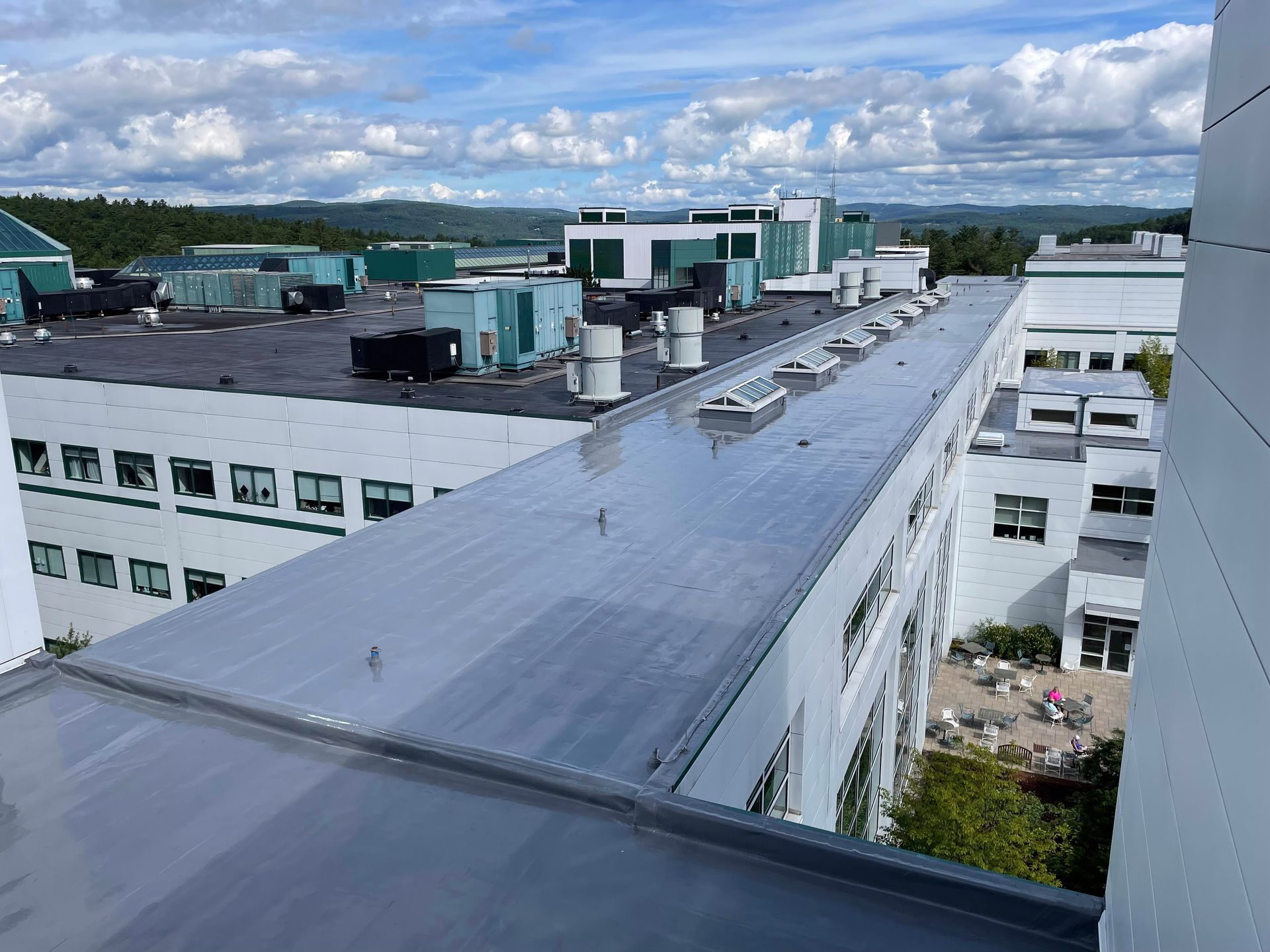
overhead view of commercial building roof

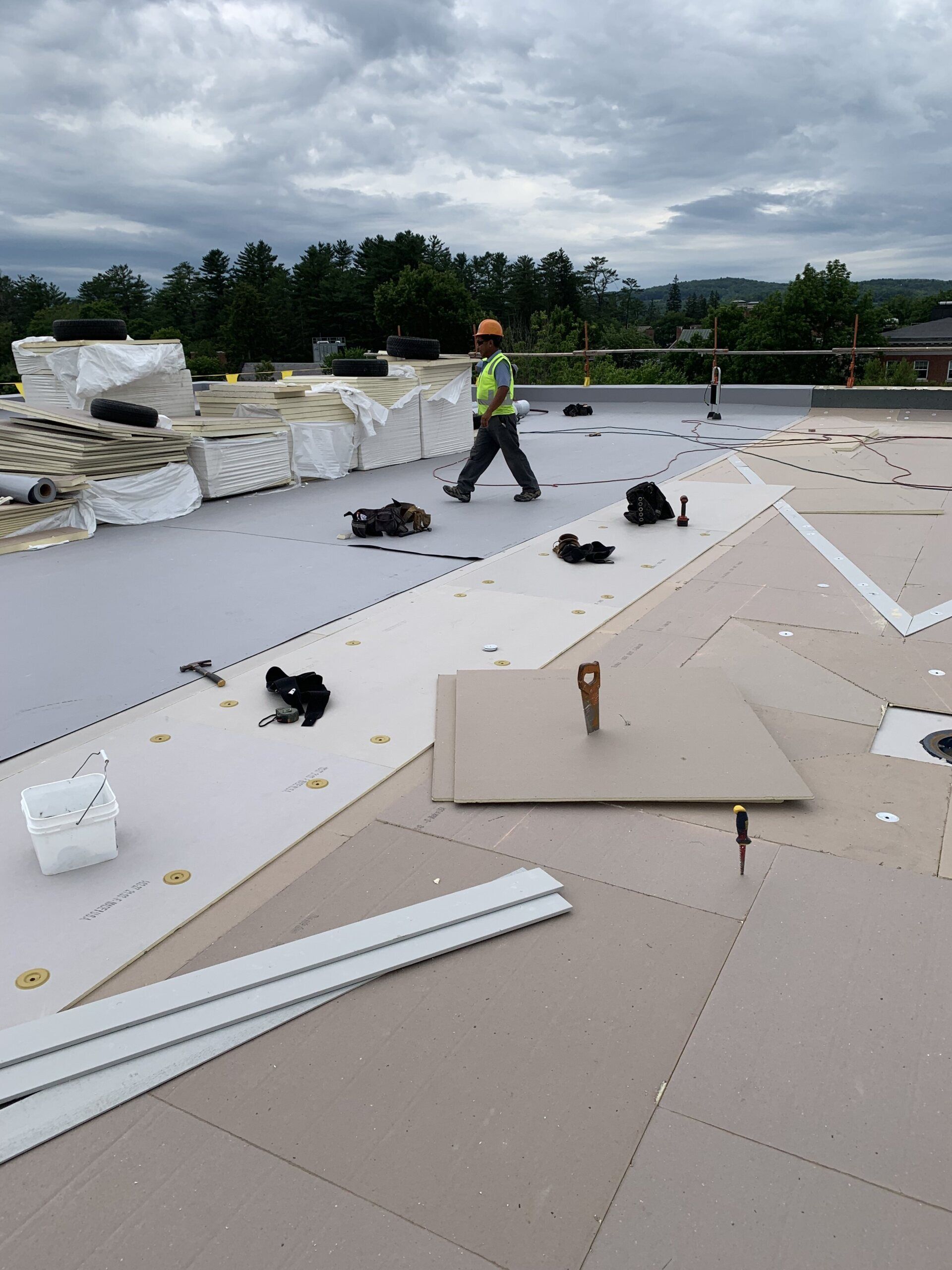
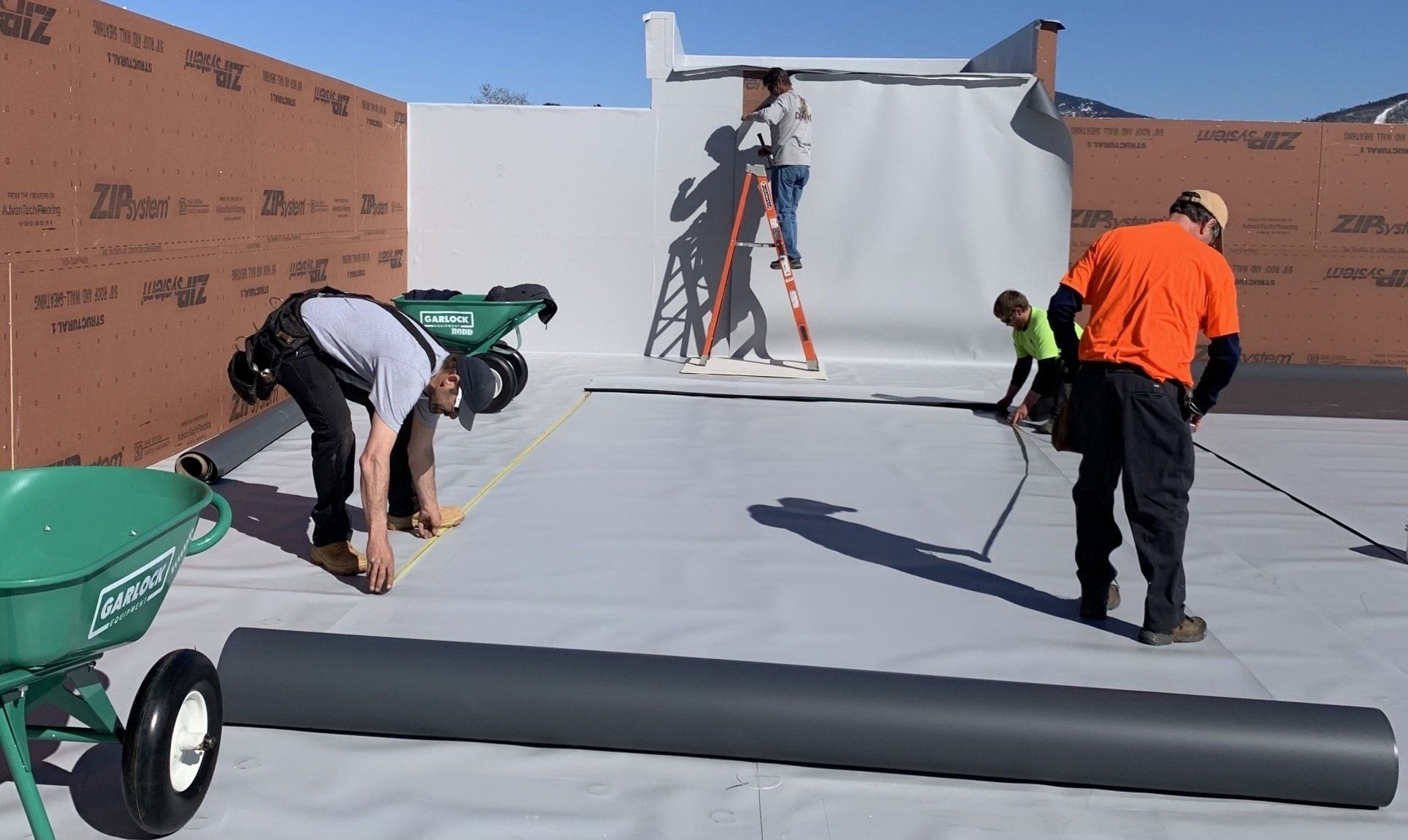
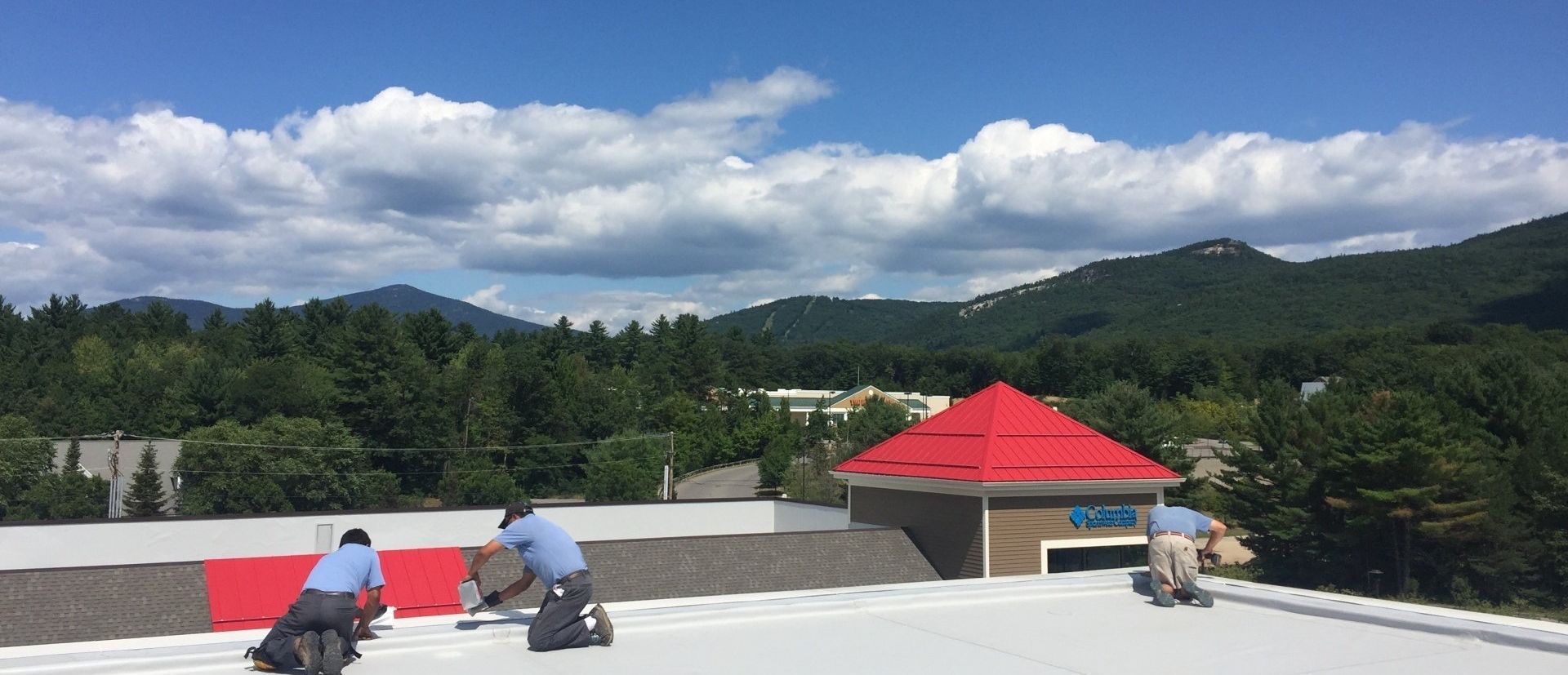
For commercial structures, flat roofing systems are the standard. They do, however, have their share of problems. Constant exposure to the outdoors might wear you down over time. But don't be concerned. You may mitigate these consequences and extend the service life of your commercial property's flat roof with regular care and maintenance.


Here are four major issues with commercial flat roofing systems in various areas:

1. Surface Blisters

Blisters are common in flat roofing systems due to the persistent presence of moisture. Roofers understand that the contained moisture expands when exposed to the midday sun for an extended period of time. At the first sign of blisters, contact a reputable contractor to determine the source of moisture and make the necessary repairs.

2. Exposed Layers

The shifting seasons may do a number on your roof due to constant exposure to the weather. It can wear down your roof's protecting layers over time, causing punctures. Regular roofing maintenance will allow you to spot and address these problems before they cause more extensive harm.

3. Internal Thermal Movement

Roofing materials compress and expand as a result of extreme temperature fluctuations. Your flat roof may eventually crack under pressure, allowing water to enter your building. You may avoid this problem by having your roofing system evaluated on a regular basis by a professional.

4. Outer Standing Water

Flat or low-sloped roofing systems, unlike sloped roofing, have a tendency to collect water. It can pose complications if the water does not evaporate rapidly enough. For structures with flat roofs, an adequate drainage system is a necessary.


To learn more about our roof repair maintenance and installation services, call Rodd  Roofing today at (800) 331-7663. You can also fill out our contact form to schedule a consultation and estimate. We have been proudly serving all of Vermont for over 100 years.
April 23, 2026
Not sure whether to repair or replace your roof? Learn the key factors to consider this spring and make the most cost-effective decision.
Raindrops splash onto a dark, wet surface, creating ripples and bubbles in a heavy downpour.
April 16, 2026
Prepare your commercial roof for spring storms by addressing winter damage, drainage issues, and wind risks before costly repairs arise.
Raindrops splash into deep, shimmering puddles on a wet pavement with a blurred red building in the background.
April 9, 2026
Spring rain often exposes roof damage caused by winter—learn the warning signs and why a post-winter inspection can prevent costly repairs.
Melting snow and an icicle hang from a red metal roof under a bright blue sky.
March 26, 2026
As snow melts and temperatures fluctuate, hidden winter roof damage can surface—learn what to look for and why a professional spring inspection is essential.
A low-angle view of shiny metal roofing panels with vertical seams against a bright blue sky with a few clouds.
March 19, 2026
Explore how asphalt, metal, slate, copper, single-ply membranes, and silicone coatings perform in Vermont’s demanding climate.
Icicles hanging from the dark brown edge of an umbrella against a clear blue sky.
March 12, 2026
March is the ideal time to inspect your roof after winter stress—learn what to look for and why scheduling a professional spring evaluation can prevent costly leaks.
March 5, 2026
Ensure your commercial roof drains, scuppers, and gutters are ready for spring storms—prevent ponding water and costly interior damage with proactive maintenance.
Flat, black roof with ice and snow. Brown brick trim, bare trees and a snowy background.
February 26, 2026
February’s freeze-thaw cycles put flat roofs at risk—learn how low-slope pooling, frozen scuppers, and blocked internal drains create hidden hazards and why pre-thaw maintenance is critical.
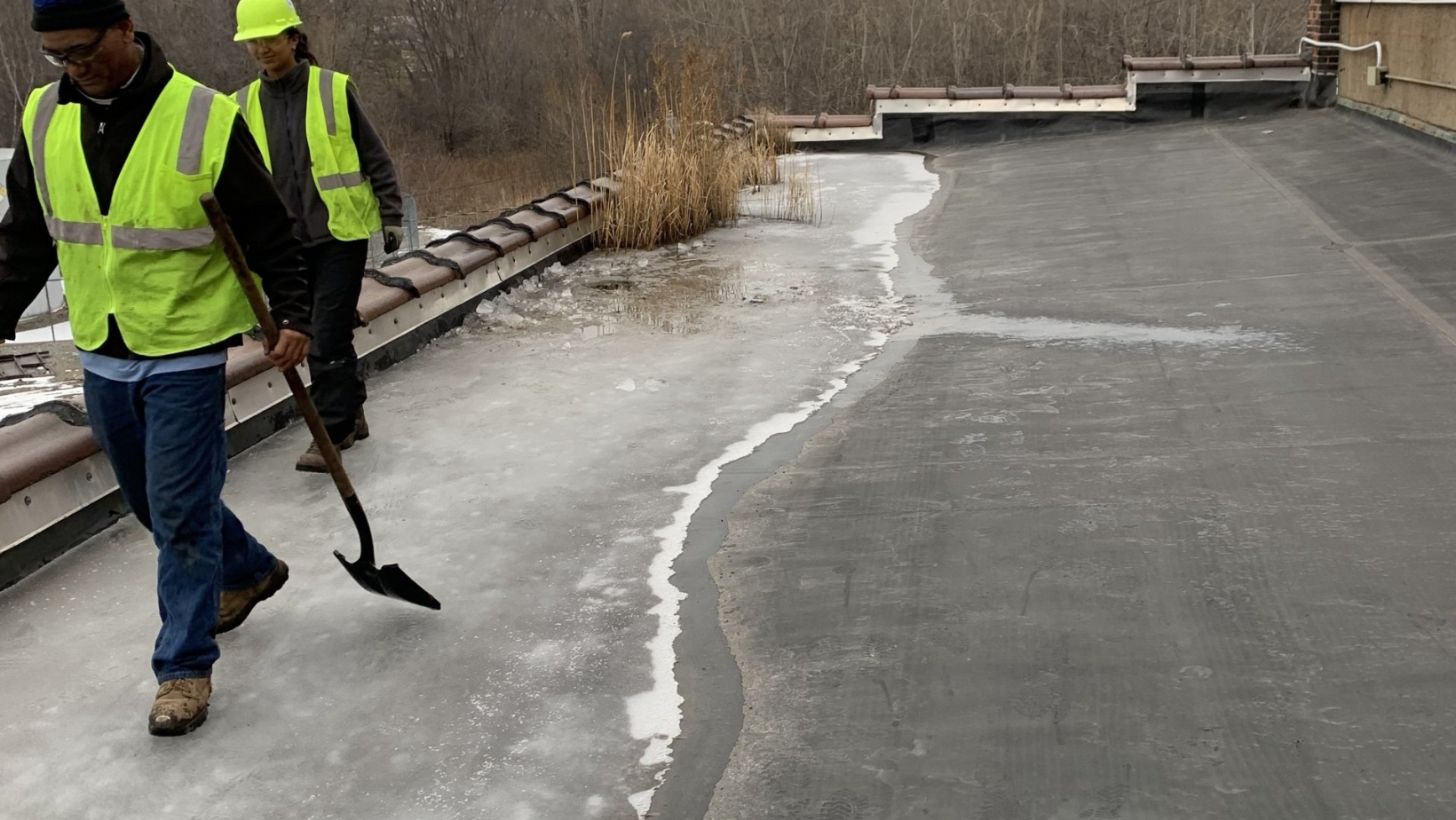
Worker in safety vest and hard hat chipping ice with a shovel on a commerical roof.
February 19, 2026
Learn how unchecked ice buildup can crack flashings, block drains, and force water under roof seams—causing damage that worsens with every winter freeze-thaw cycle.
Two-story house covered in snow, with black shutters and a red door, during a winter day.
February 12, 2026
From stained ceiling tiles to ice at parapet walls, discover five subtle winter warning signs that may indicate hidden roof damage and growing freeze-thaw stress.