Preparing Your Company For A Roof Installation
Ways To Prepare Your Business For A Roof Installation
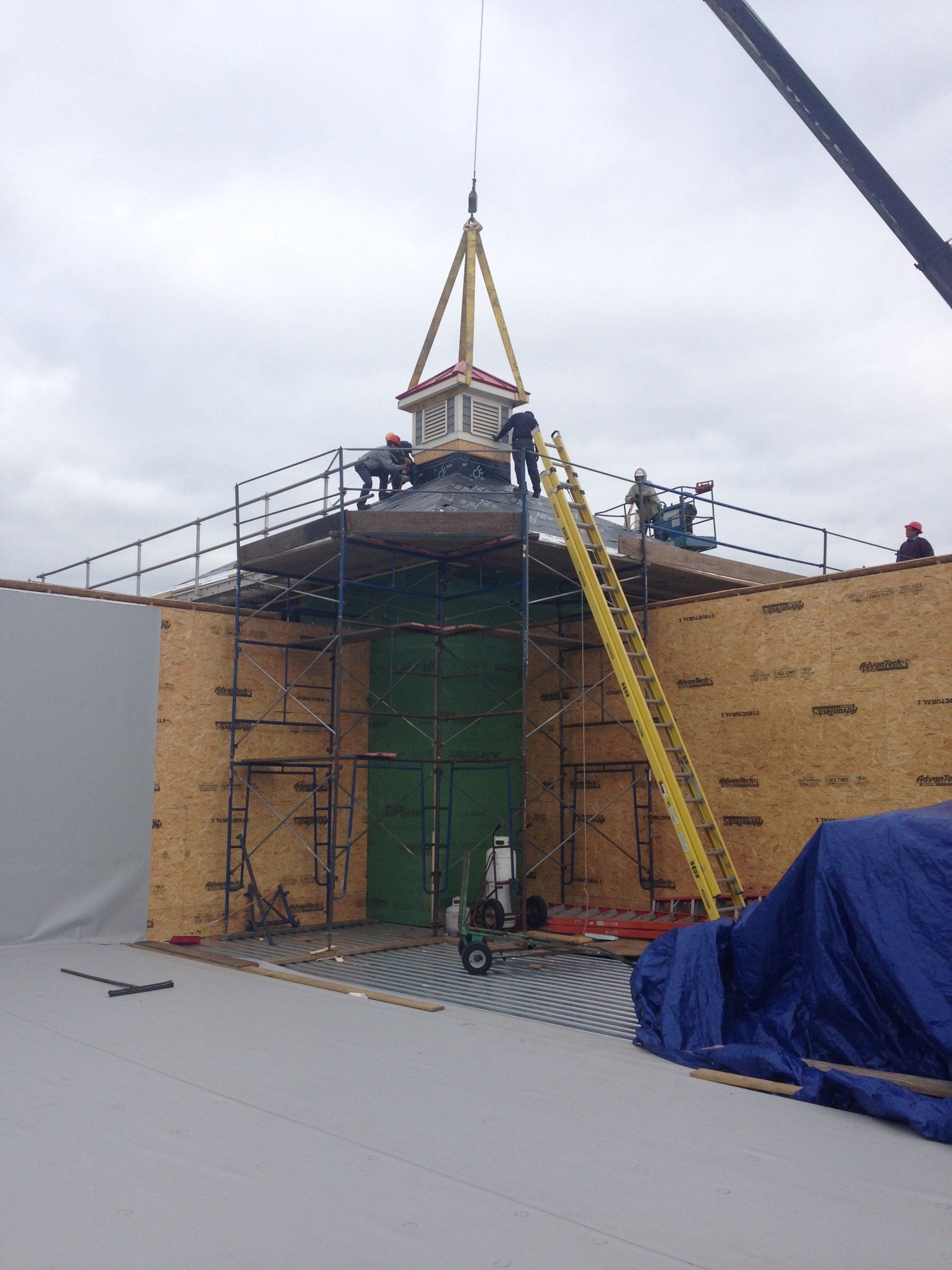
Any commercial building needs to have a nice outside to make a positive first impression on clients and potential partners. And for it to continue to be appealing, you, as the business owner, must know when to replace a roof that has reached the end of its useful life. It is no easy task to work on a business roof, and unlike residential roofs, it can be more difficult for a variety of reasons. To help you best prepare for any potential future commercial roof installation needs, we have decided to share some advice with you.
1) Have a Plan
Without a clear plan of action, a commercial roof installation cannot start successfully. With the roofer, you should decide on a general timeline for the project as well as the installation's specifics, such as the roofing material. If you start with this, you can prevent the project from deviating from your original plans or costing more than you had anticipated.
2) Setting a Budget
Setting up a suitable budget and managing to keep within it are important aspects as well. The size of your commercial property and the availability of your roofing contractor will both have a significant impact on the price of installing a commercial roof. Additionally, you should constantly be aware that unanticipated costs may arise as a result of unforeseen events or modifications to the project. At Rodd Roofing, we will go through all of your options in great depth with you so that we can assist you in choosing the finest project type and materials for your particular budget.
3) Hiring A Reputable Company
Due to the complexity and specialized knowledge required for commercial roofing projects, you should only work with a contractor who has a lot of experience in the field. Check out their background and testimonials to ensure that you are fully informed. Our staff is aware that installing a commercial roof is a significant project and may inevitably disturb your normal business operations, but we always take extra precautions to safeguard your investment and limit the disruption.
4) Set a Projected Time Frame
Establishing a realistic timeline that your contractor can adhere to is essential. You must agree on the anticipated time of completion because installing a commercial roof is a project that cannot be finished in a day. Depending on how complicated the roof is, it could take up to a few days or weeks. Because we live and operate in a colder climate, weather should be a real consideration as well.
5) Notify Your Staff
You should also inform your staff on the project's advancement on a frequent basis. They require information regarding how (and for how long) this may influence their work as well as which areas of the building they should stay away from. The best course of action is to post warning signs nearby and maintain constant communication with your staff.
6) Warranty Information
Asking your dependable roofers directly about the manufacturer's warranty or workmanship warranty is okay, and you should feel free to fully utilize it. It exists to support and safeguard your company.