Not All Leaks Are Loud: Subtle Signs Your Roof Needs Attention
Small Clues, Big Consequences: What Your Roof Might Be Telling You
When people think of a roof leak, they usually imagine water dripping from the ceiling or a puddle forming in the attic. But not all roof issues announce themselves so clearly. In fact, some of the most damaging problems start quietly, and by the time they become obvious, they’ve already caused costly damage.
At Rodd Roofing, we want Vermont homeowners and property managers to understand that early detection is key. Below, we’re sharing some of the less obvious warning signs your roof might be in trouble, so you can fix small issues before they become big ones.
What to Watch For: Quiet Clues Your Roof Needs Professional Help
1. Moisture or Stains in the Attic
A quick look in the attic can tell you a lot. Even if you don’t see active dripping, discoloration on the wood, damp insulation, or a musty smell could all point to a slow leak or poor ventilation. Over time, this can lead to mold, rot, and structural damage.
2. Warped or Cracking Trim
Exterior trim—especially near the roofline—can be a red flag. If fascia boards or soffits are beginning to warp, peel, or crack, it might indicate water infiltration from a failing roof or gutter system.
3. Moss or Algae Growth
A green roof may look quaint, but moss growth is a sign of trapped moisture, especially on north-facing slopes. Left unchecked, it can erode shingles and even lift them, allowing water to seep beneath.
4. Granule Loss and Bald Spots
Check your gutters or the base of your downspouts for roof shingle granules. These tiny particles are what protect your roof from UV rays and weathering. Excessive loss means your shingles are wearing down and may need replacing.
5. Sagging or Uneven Rooflines
From a distance, take a look at your roof's shape. Any sagging, uneven sections, or dipping areas can signal weakened decking or hidden water damage—issues that only get worse with time.
Why Early Detection Saves You Money
The harsh Vermont climate throws everything at your roof—snow, ice, wind, and intense summer sun. Ignoring subtle signs often leads to emergency repairs, interior damage, or even full roof replacements.
A quick checkup now can prevent:
- Mold and mildew infestations
- Structural damage to rafters and decking
- Insulation saturation and energy loss
- Interior ceiling and wall damage
What to Do If You See These Signs
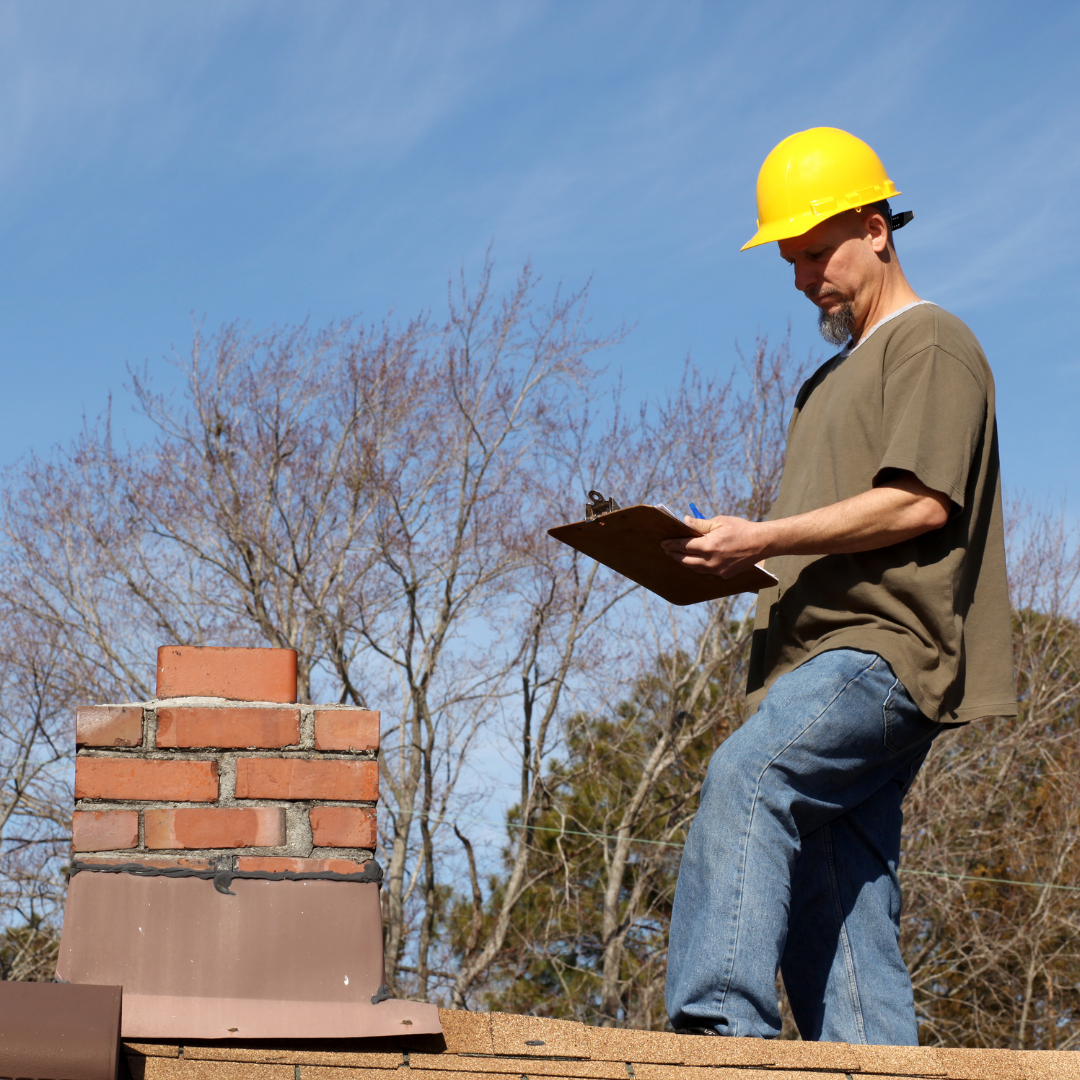
If anything above sounds familiar, it’s time to call in a pro. At Rodd Roofing, we offer comprehensive inspections to identify trouble spots early and give you clear, honest recommendations for next steps.
Protect Your Roof—and Your Peace of Mind
Your roof is working hard every day to protect your home or business. Catching subtle signs of trouble before they grow can extend its life and save you from expensive surprises.