How to Winterize Your Commercial Roof: Checklist for VT & NH Property Owners
Winterizing Your Commercial Roof
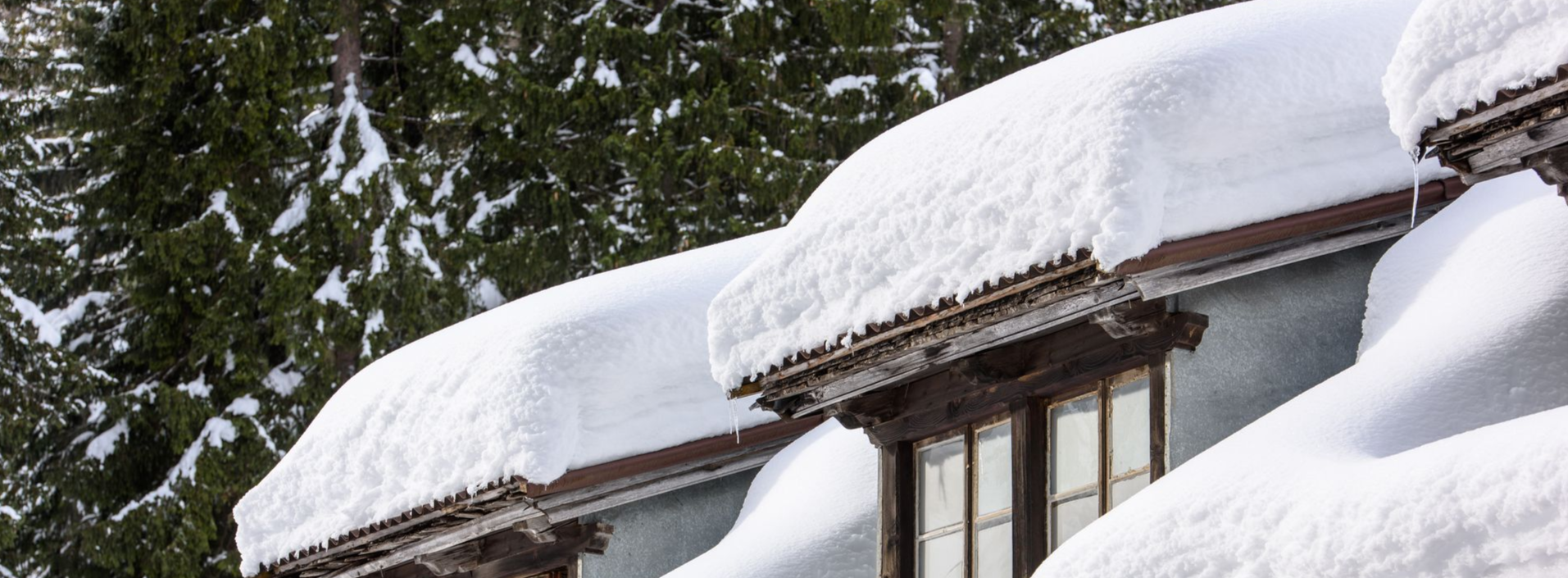
Vermont & New Hampshire winters are notoriously harsh—and commercial roofs take the brunt of it. Heavy snow loads, ice dams, high winds, and freeze-thaw cycles can all lead to major roofing issues if your system isn’t properly prepared.
At Rodd Roofing, we help property owners and facility managers across Vermont protect their buildings before the snow flies. Below is a comprehensive fall checklist to winterize your commercial roof and prevent emergency repairs during the coldest months.
Schedule a Professional Roof Inspection
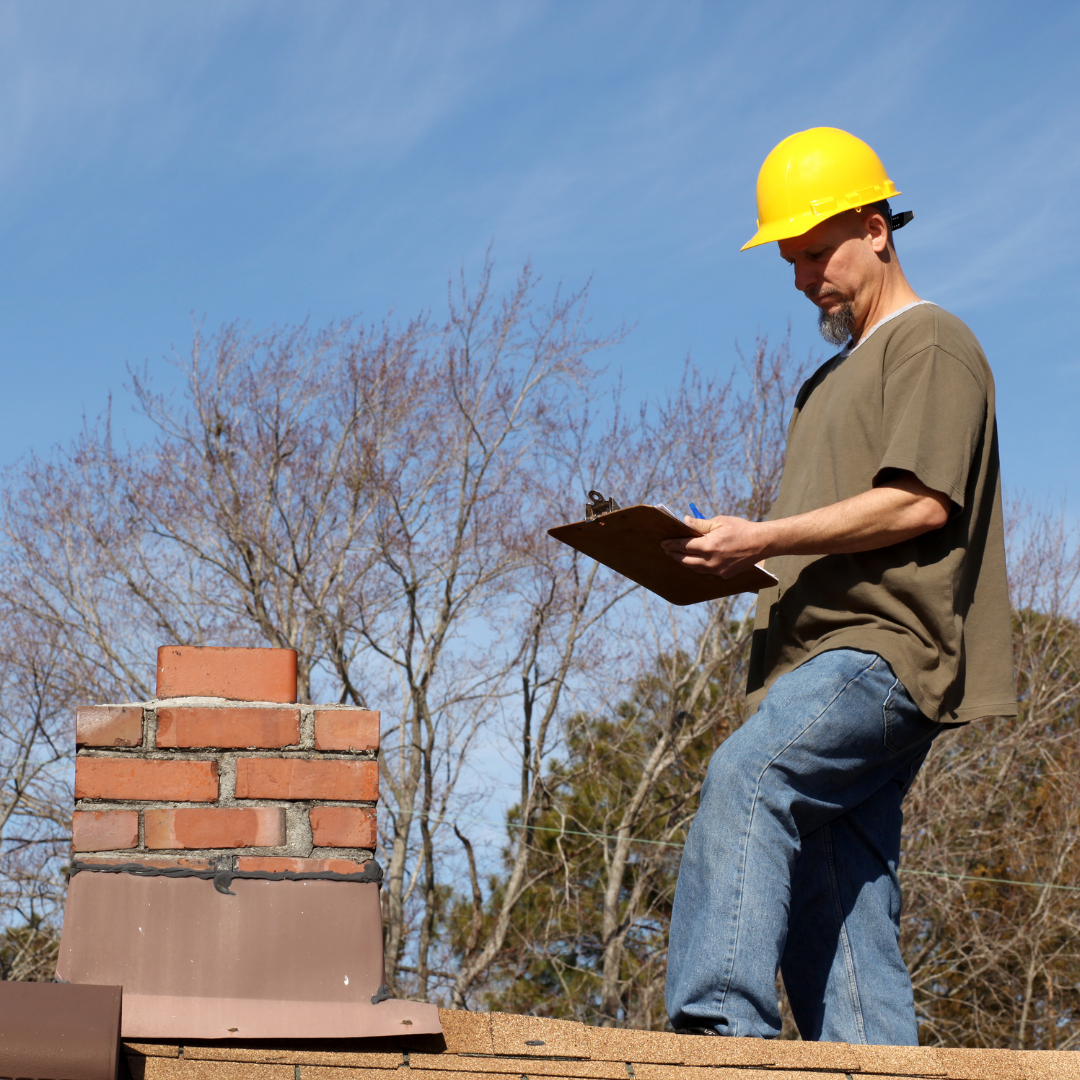
Start your winter prep with a thorough roof inspection from a qualified commercial roofing contractor.
What to check:
- Membrane or shingle condition
- Seams, welds, and fasteners
- Flashing integrity
- Rooftop penetrations (vents, units, pipes)
Why it matters: Identifying small issues now avoids emergency calls in subzero weather.
Clean and Test Drainage Systems
Blocked drains are a top cause of winter roof failures. Water that can’t drain properly will freeze, build up, and stress the roof structure.
Checklist:
- Remove debris from internal drains and downspouts
- Check for proper flow and slope
- Secure or replace damaged drain covers
Seal Flashing and Roof Penetrations
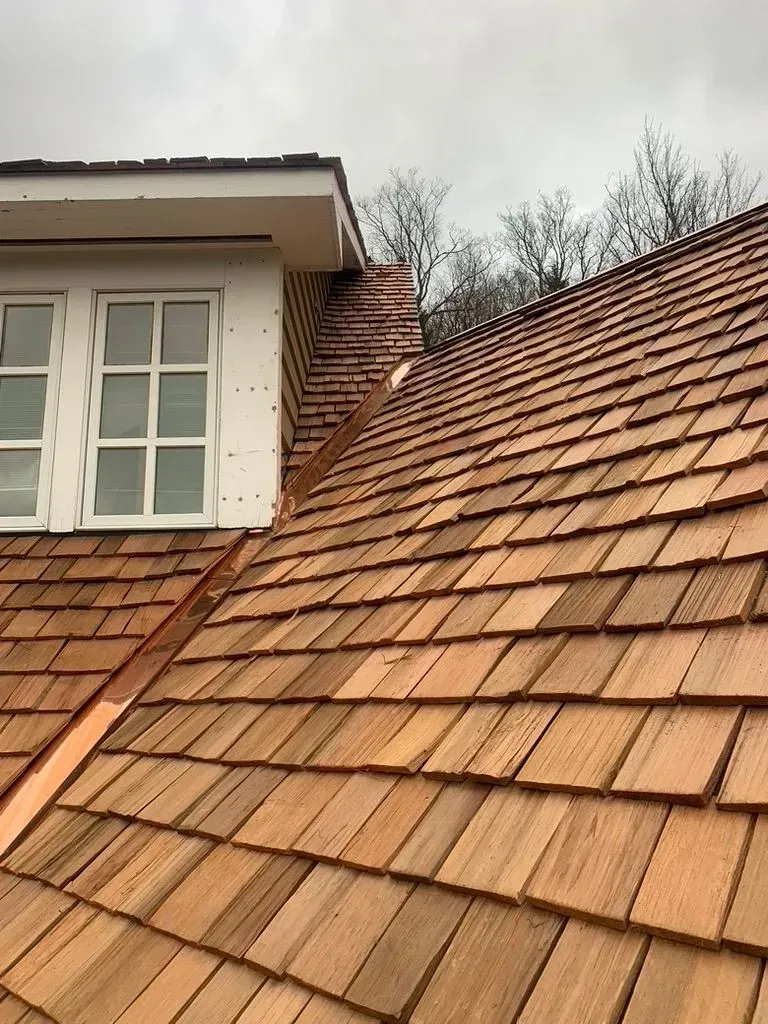
Flashing around vents, skylights, and HVAC units often fails first in winter.
Checklist:
- Reseal loose or cracked flashing
- Reinforce vulnerable corners and edges
- Use cold-weather-rated roofing sealants
Inspect and Upgrade Roof Insulation
Proper insulation keeps interior heat in—and roof surface temperature stable—reducing ice dam risk and energy costs.
Checklist:
- Check for wet, damaged, or compressed insulation
- Add insulation where the R-value is insufficient
- Seal attic bypasses and penetrations to prevent heat loss
Check for Ponding and Low Spots
Flat and low-slope roofs often develop low areas where water collects. These spots can freeze and cause leaks or damage.
Checklist:
- Identify ponding areas using visual inspection or thermal scans
- Consider tapered insulation or slope correction
- Mark areas for spring repair if conditions allow
Document Roof Condition and Repairs
Keeping records of inspections, repairs, and photos helps with warranty claims, insurance coverage, and future maintenance planning.
Checklist:
- Photograph key areas before and after repairs
- Log repair dates, contractors, and materials used
- Store documentation in a shared facility folder
Prepare Your Roof Before Winter Hits
Don't wait until the first snowstorm to discover a leak or backup. Fall is the ideal time to take preventative action. A well-maintained roof reduces long-term costs, protects your building’s interior, and keeps operations running smoothly.
Rodd Roofing offers expert winter prep services for commercial buildings across Vermont. From inspections to insulation upgrades, we make sure your roof is ready for everything winter can bring.
Need help winterizing your commercial roof? Contact Rodd Roofing today at (802) 748-4555
to request service.