
Copper Roofs Aren’t Just for Looks—Here’s Why They’re a Smart Investment
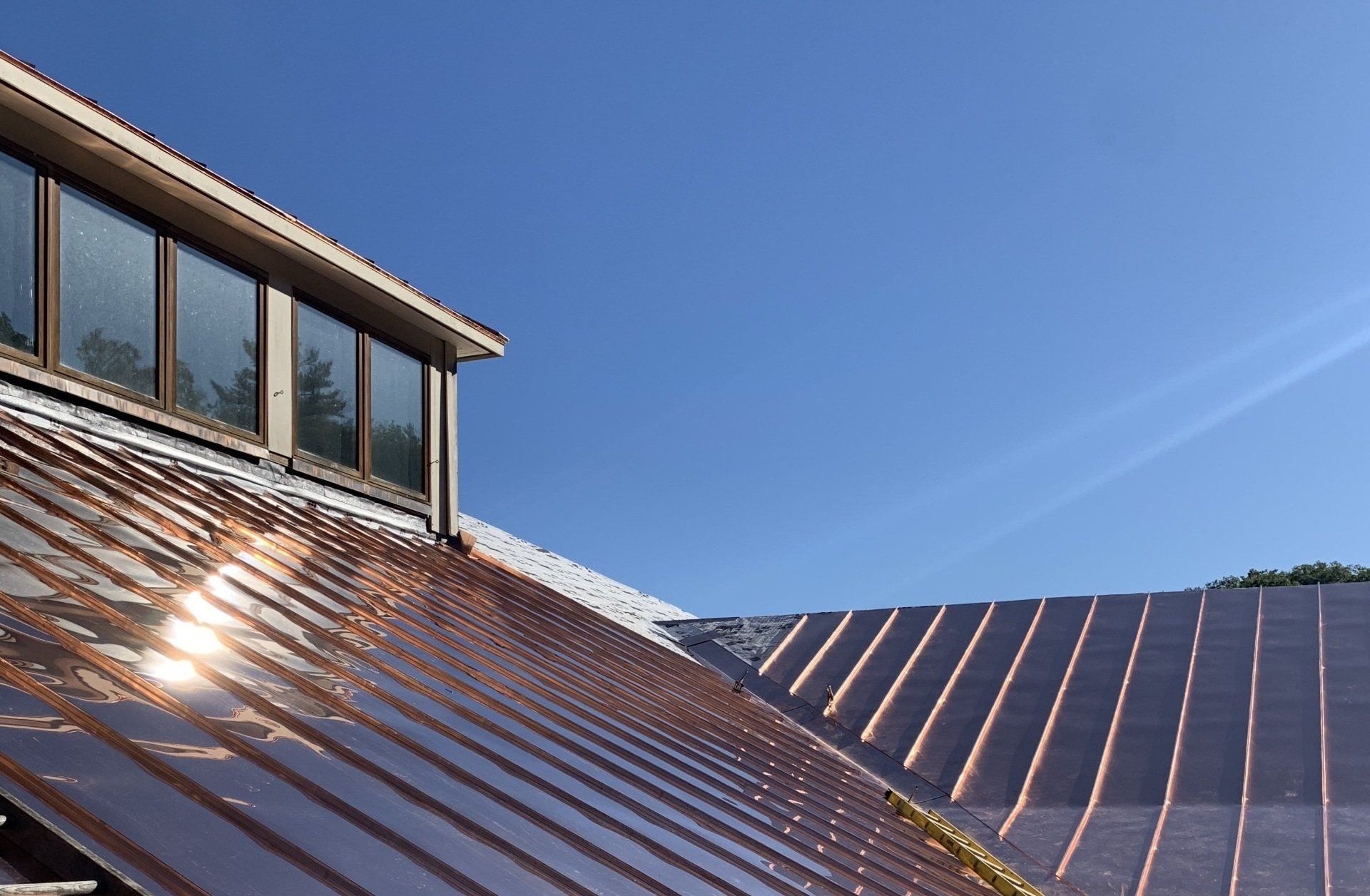
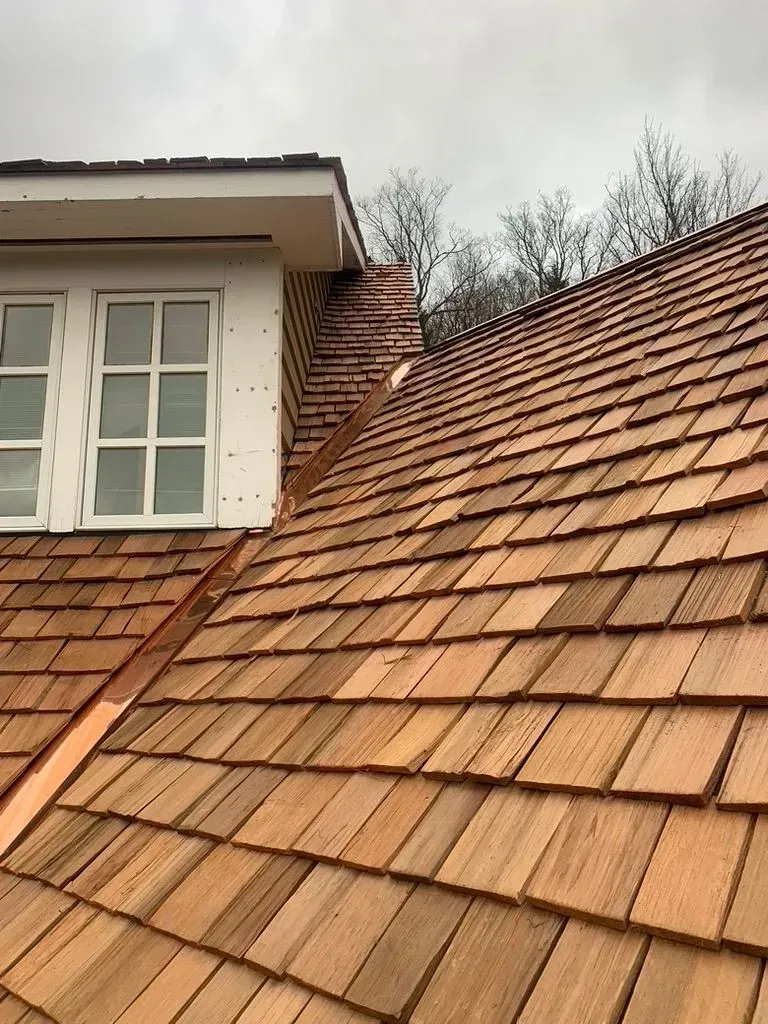
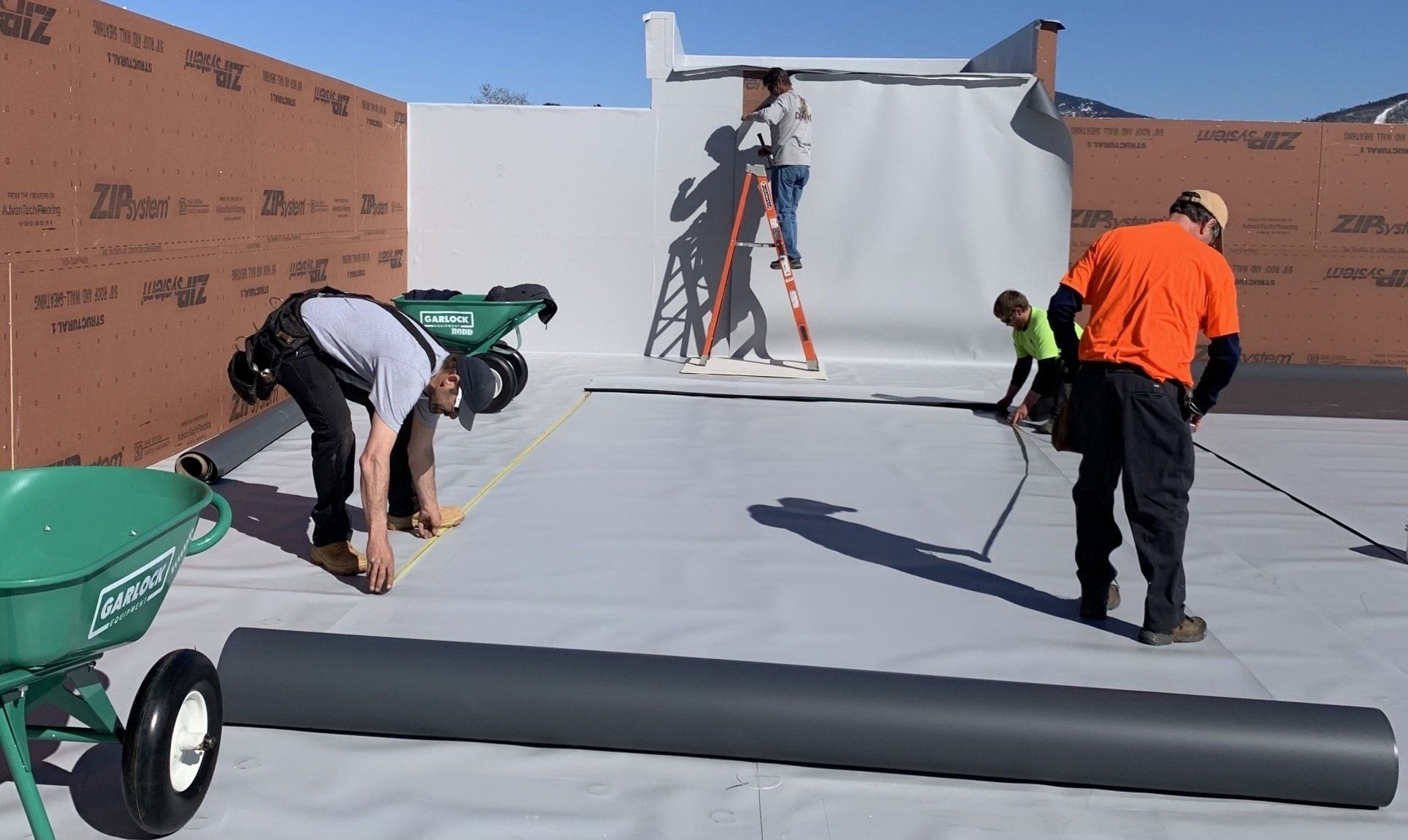
Copper Roofing install in New Hampshire by Rodd Roofing

Why Copper Roofing Is One of the Smartest Investments You Can Make

There’s no denying it—copper roofs look incredible. From their shiny, warm glow when first installed to the elegant green patina they develop over time, they give any home a timeless, standout appearance. But while the aesthetics grab attention, the real value goes far beyond looks.

Low Maintenance, High Performance

One of the best things about copper? It pretty much takes care of itself. It’s naturally resistant to rust, rot, mildew, and fire—no special coatings or frequent treatments required. And because it doesn’t crack or warp in extreme temperatures, it’s built to handle all kinds of weather.

Lighter Load, Greener Choice

Copper is surprisingly lightweight, which means less stress on your roof’s structure. It’s also a win for sustainability—copper is 100% recyclable and often made with a high percentage of recycled material. So if you’re looking for something both practical and planet-friendly, it checks both boxes.

A Bigger Investment—But One That Pays Off

We’ll be honest: copper roofing isn’t the cheapest option upfront. But when you factor in how long it lasts, how little upkeep it needs, and how much value it adds to your home, it often ends up saving you money over time. Not to mention, it boosts curb appeal in a big way.

Is Copper Right for You? Let’s Talk.

Whether you’re building new or thinking about a roof replacement, copper is worth considering. It’s strong, stylish, and made to last—and we’re here to help you decide if it’s the right fit for your home.


Want to learn more? We’re always happy to talk through your options and share what we’ve learned from working with copper and other premium materials.
Contact Us
Raindrops splash onto a dark, wet surface, creating ripples and bubbles in a heavy downpour.
April 16, 2026
Prepare your commercial roof for spring storms by addressing winter damage, drainage issues, and wind risks before costly repairs arise.
Raindrops splash into deep, shimmering puddles on a wet pavement with a blurred red building in the background.
April 9, 2026
Spring rain often exposes roof damage caused by winter—learn the warning signs and why a post-winter inspection can prevent costly repairs.
Melting snow and an icicle hang from a red metal roof under a bright blue sky.
March 26, 2026
As snow melts and temperatures fluctuate, hidden winter roof damage can surface—learn what to look for and why a professional spring inspection is essential.
A low-angle view of shiny metal roofing panels with vertical seams against a bright blue sky with a few clouds.
March 19, 2026
Explore how asphalt, metal, slate, copper, single-ply membranes, and silicone coatings perform in Vermont’s demanding climate.
Icicles hanging from the dark brown edge of an umbrella against a clear blue sky.
March 12, 2026
March is the ideal time to inspect your roof after winter stress—learn what to look for and why scheduling a professional spring evaluation can prevent costly leaks.
March 5, 2026
Ensure your commercial roof drains, scuppers, and gutters are ready for spring storms—prevent ponding water and costly interior damage with proactive maintenance.
Flat, black roof with ice and snow. Brown brick trim, bare trees and a snowy background.
February 26, 2026
February’s freeze-thaw cycles put flat roofs at risk—learn how low-slope pooling, frozen scuppers, and blocked internal drains create hidden hazards and why pre-thaw maintenance is critical.
Worker in safety vest and hard hat chipping ice with a shovel on a commerical roof.
February 19, 2026
Learn how unchecked ice buildup can crack flashings, block drains, and force water under roof seams—causing damage that worsens with every winter freeze-thaw cycle.
Two-story house covered in snow, with black shutters and a red door, during a winter day.
February 12, 2026
From stained ceiling tiles to ice at parapet walls, discover five subtle winter warning signs that may indicate hidden roof damage and growing freeze-thaw stress.
Workers on a rooftop in a snowy environment. They are wearing safety vests and helmets, working near a ladder.
February 5, 2026
February’s freeze-thaw cycles put flat roofs at peak risk—learn which commonly overlooked areas like expansion joints, scuppers, and HVAC curbs need professional attention before problems escalate.