
Copper Roof Advantages

Advantages of Copper Roofing

The advantages of a copper roof installed by Rodd Roofing

No other metal roof can compare to the personality and toughness of copper roofing.

There are three key benefits to choosing this great metal roof option:

Modern and classic aesthetics; affordability while being long-lasting


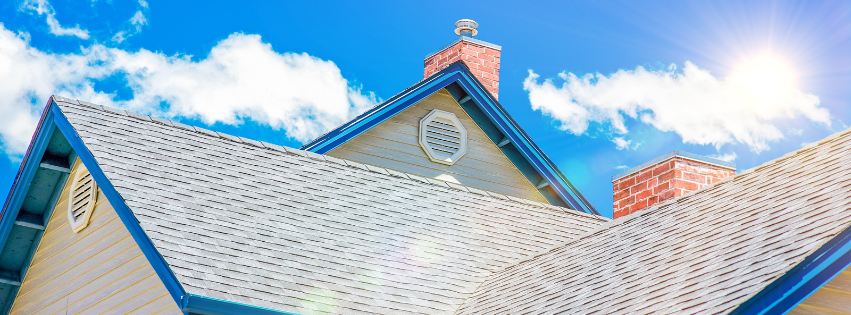
Any building design can benefit from the aesthetics of copper; from classic to contemporary structures, copper roofing will provide warmth and beauty. Many architects favor copper roofing because it adds a lovely touch to any project, and because the roof will look lovely for many years even after the warm bronze tones change to an appealing green patina. Copper's natural weathering is what causes the color shift, although homeowners do have alternatives to either slow down or speed up the process.


A copper roof offers a durable and cost-effective roofing solution when it is correctly planned and installed. Due to the copper's low maintenance requirements, lengthy lifespan, and high salvage value, copper roofs have low life cycle costs. Contrary to many other types of metal roofing, copper does not require painting or finishing. Among all contemporary roofing materials, copper has one of the best levels of weather resistance, which contributes to its extended lifespan. The ease with which copper can be formed around structures and roofs with odd shapes is another significant benefit. This enables the homeowner to have curved roofs and domes. It enables the complete roof to be covered with the sturdy material, unlike over metal roofs.


Copper roofs are fantastic for any homeowner in Vermont since they add a warm, low-cost, and durable finish to a project.
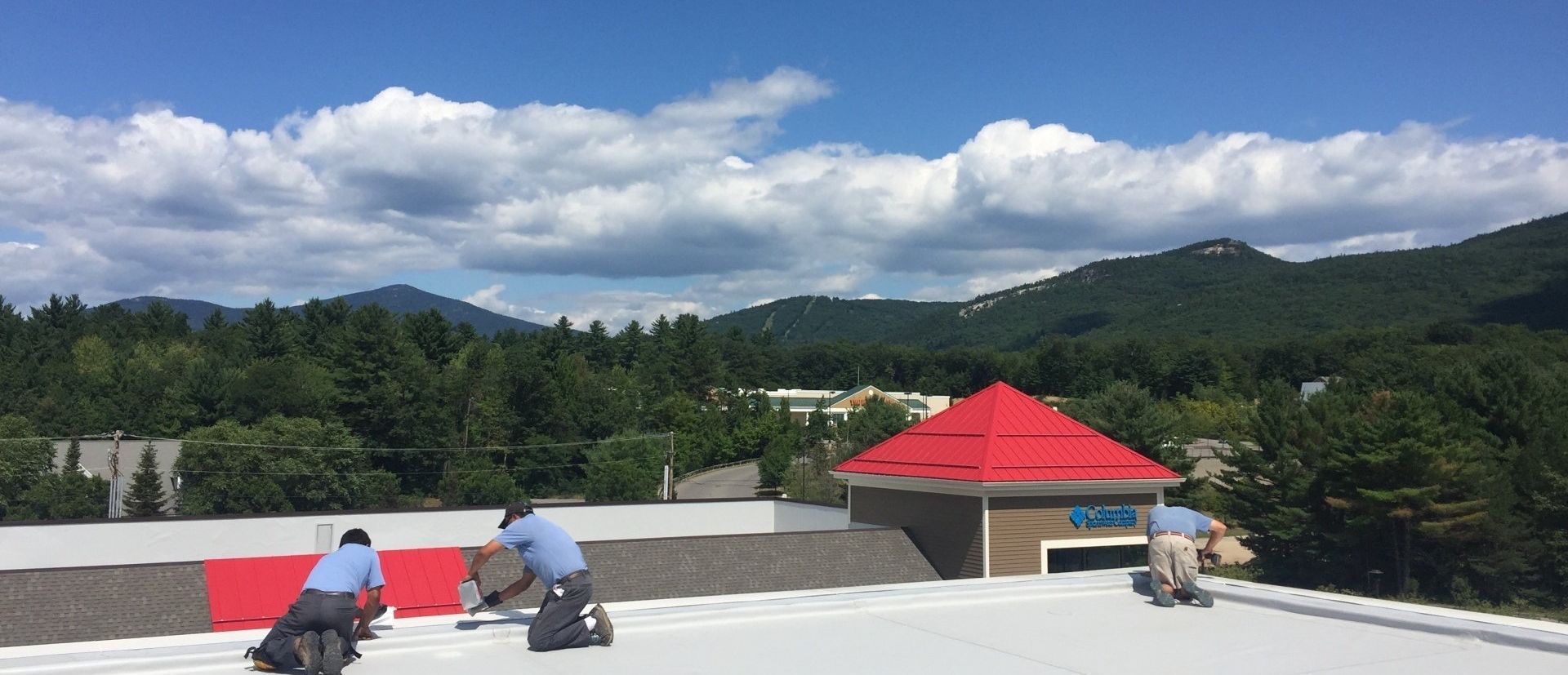
Three people work on installing a white flat roof on a building against a background of mountains and a blue sky.
April 30, 2026
Vermont’s harsh weather can shorten a roof’s lifespan—learn how preventative maintenance plans help protect your building and reduce unexpected repair costs.
April 23, 2026
Not sure whether to repair or replace your roof? Learn the key factors to consider this spring and make the most cost-effective decision.
Raindrops splash onto a dark, wet surface, creating ripples and bubbles in a heavy downpour.
April 16, 2026
Prepare your commercial roof for spring storms by addressing winter damage, drainage issues, and wind risks before costly repairs arise.
Raindrops splash into deep, shimmering puddles on a wet pavement with a blurred red building in the background.
April 9, 2026
Spring rain often exposes roof damage caused by winter—learn the warning signs and why a post-winter inspection can prevent costly repairs.
Melting snow and an icicle hang from a red metal roof under a bright blue sky.
March 26, 2026
As snow melts and temperatures fluctuate, hidden winter roof damage can surface—learn what to look for and why a professional spring inspection is essential.
A low-angle view of shiny metal roofing panels with vertical seams against a bright blue sky with a few clouds.
March 19, 2026
Explore how asphalt, metal, slate, copper, single-ply membranes, and silicone coatings perform in Vermont’s demanding climate.
Icicles hanging from the dark brown edge of an umbrella against a clear blue sky.
March 12, 2026
March is the ideal time to inspect your roof after winter stress—learn what to look for and why scheduling a professional spring evaluation can prevent costly leaks.
March 5, 2026
Ensure your commercial roof drains, scuppers, and gutters are ready for spring storms—prevent ponding water and costly interior damage with proactive maintenance.
Flat, black roof with ice and snow. Brown brick trim, bare trees and a snowy background.
February 26, 2026
February’s freeze-thaw cycles put flat roofs at risk—learn how low-slope pooling, frozen scuppers, and blocked internal drains create hidden hazards and why pre-thaw maintenance is critical.
Worker in safety vest and hard hat chipping ice with a shovel on a commerical roof.
February 19, 2026
Learn how unchecked ice buildup can crack flashings, block drains, and force water under roof seams—causing damage that worsens with every winter freeze-thaw cycle.