Advantages of Standing Seam Roofing
The Top Benefits of Standing Seam Metal Roofing for Homes and Commercial Buildings
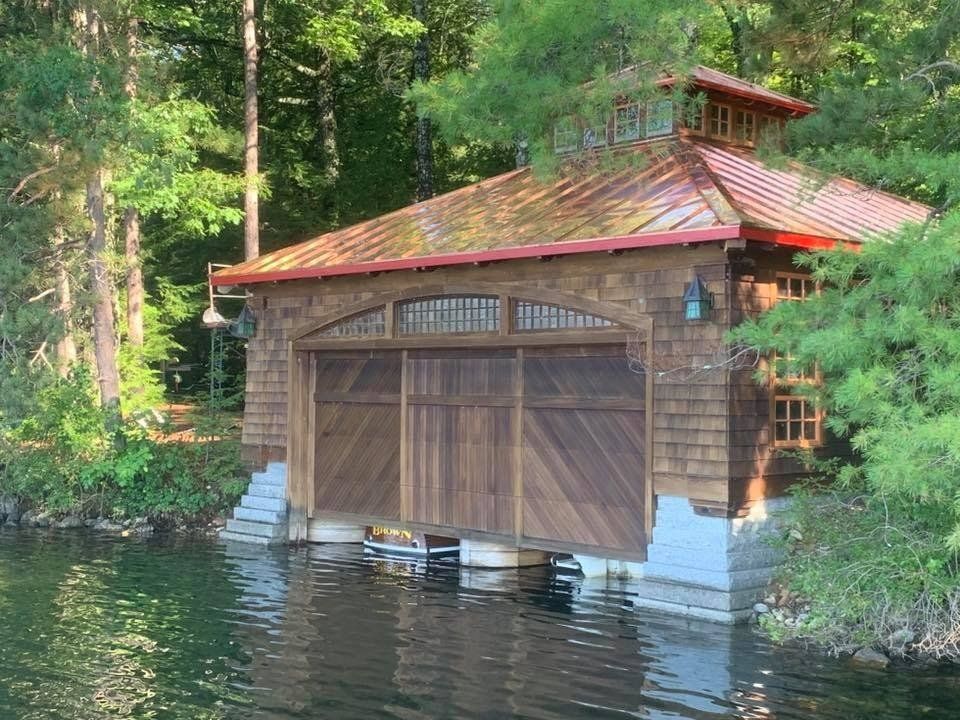
Standing seam metal roofing is one of the most durable and visually striking roofing options available today. Whether you're a homeowner or a commercial property owner, this roofing style offers exceptional benefits that make it a superior choice over traditional asphalt shingles and other alternatives.
Why Choose a Standing Seam Metal Roof?
Standing seam roofs are engineered for longevity, performance, and aesthetics. Here are four key advantages that make them a worthwhile investment:
- Sleek, Modern Appearance
- Superior Weather Resistance
- Effective Snow Shedding
- Unmatched Longevity
Let's explore these benefits in more detail.
1. A Beautiful, Modern Look
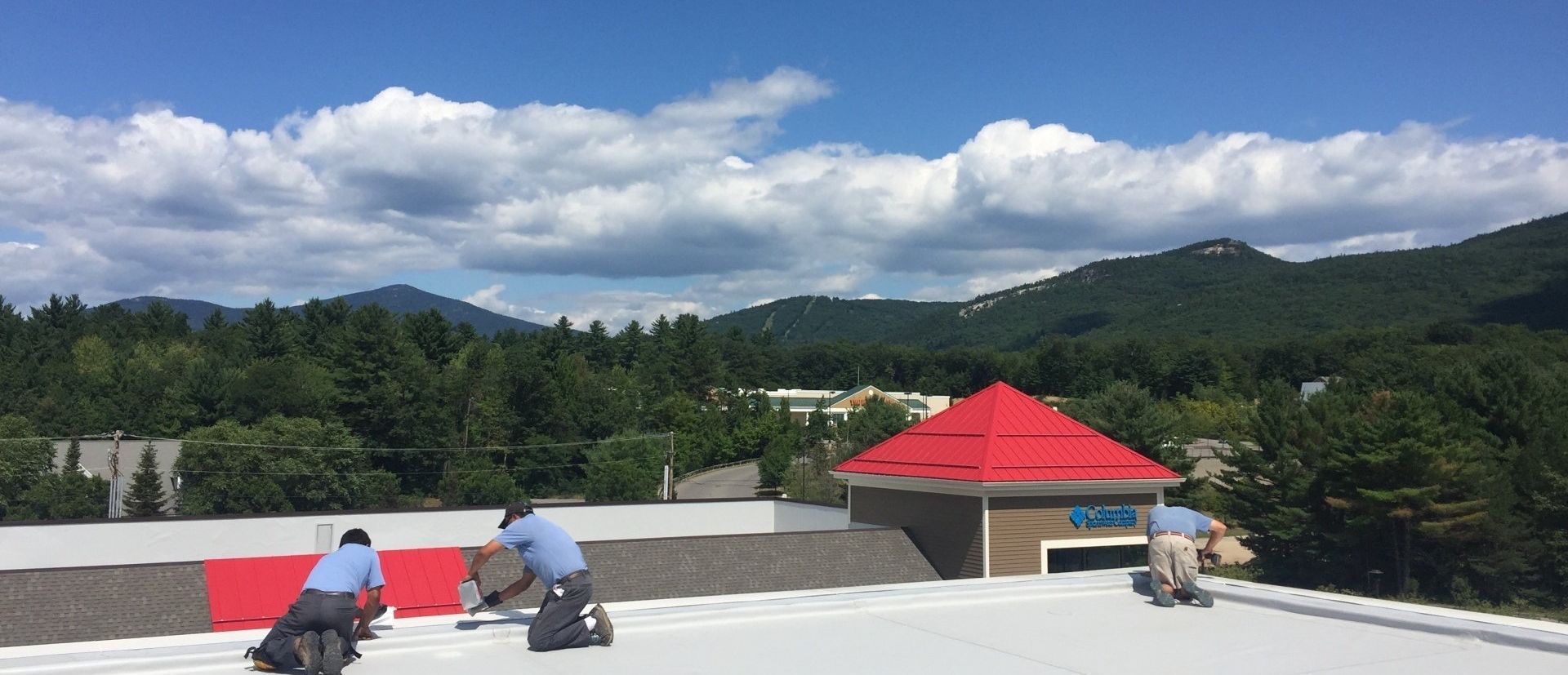
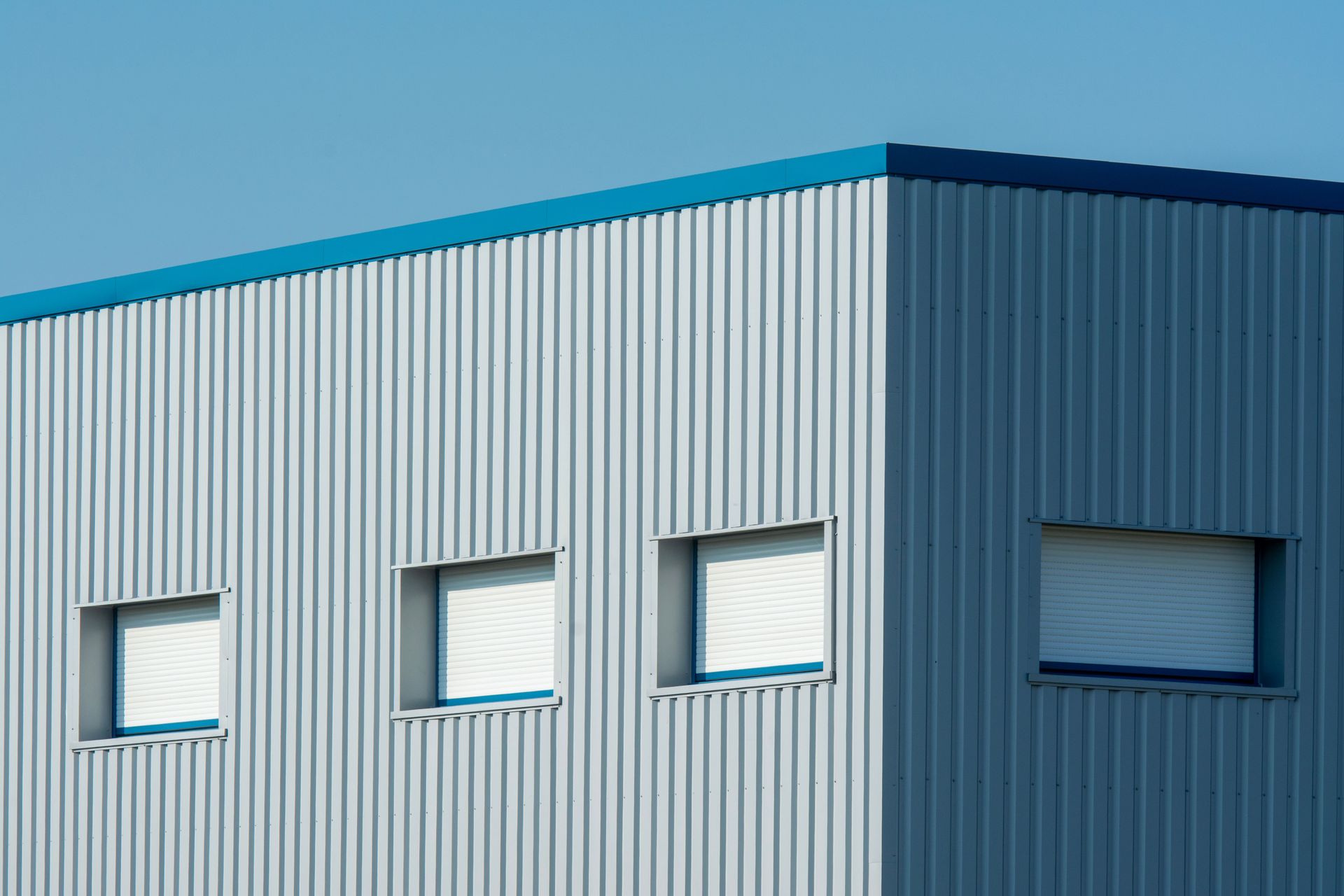
Standing seam metal roofs offer a clean, contemporary appearance that enhances the curb appeal of any property. Available in materials like copper and painted aluminum-zinc alloy, these roofs provide a polished, high-end look that complements both residential and commercial buildings. Unlike traditional shingles, metal panels create a seamless, sophisticated finish that stands out.
2. Built to Withstand Harsh Weather
Vermont's climate can be tough on roofs, but standing seam metal roofing is designed to endure the elements. These roofs provide exceptional resistance against:
High Winds
Hail Impacts
Fire and Flame Sparks
Heavy Rain and Moisture
Thanks to their concealed fasteners and interlocking panels, standing seam roofs prevent leaks and water infiltration better than traditional roofing materials.
3. Effective Snow Shedding
For homeowners in snowy regions, standing seam metal roofs offer a major advantage—natural snow shedding. As temperatures rise or heaters run on full blast, snow and ice slide off the smooth metal surface, reducing the risk of dangerous ice dams and excess roof weight. This feature minimizes winter maintenance and helps better protect the structure of your home or building.
4. A Roof That Lasts for Decades
Durability is where standing seam roofing truly shines. Compared to asphalt shingles, which often need replacement every 15-20 years, a standing seam metal roof can last anywhere from 40 to 100 years, depending on the material, coating, and upkeep measures.
- Minimum lifespan: 25–35 years (3x longer than asphalt shingles)
- With proper maintenance: 50+ years
- Premium materials (e.g., copper) and proper maintenance: Up to 100 years
While the upfront cost of metal roofing is higher, the long-term savings on repairs and replacements make it a cost-effective investment.
Increase Your Home's Value
Beyond its practical benefits, installing a standing seam metal roof can increase your property's resale value. Buyers recognize the durability, efficiency, and aesthetic appeal of these roofs, often making homes with metal roofing more desirable on the market.
Is Standing Seam Roofing Right for You?
If you're looking for a beautiful, durable, and weather-resistant roofing solution, standing seam metal roofing is an excellent choice. With its sleek design, superior protection, and decades of longevity, this investment will benefit you for years to come—whether you stay in your home or sell it at a premium price.
Ready to explore your roofing options? Contact Rodd Roofing for a consultation and discover how a standing seam metal roof can enhance your home or business.