Common Commercial Roof Repair Myths
Roof Repair Myths vs. Reality:
Protecting Your Commercial Roof Investment
When it comes to maintaining commercial roofs, misconceptions often lead to costly mistakes or neglected maintenance. To make informed decisions and protect your investment, it’s essential to separate fact from fiction. Below are some of the most common myths about commercial roof repairs and the truths that debunk them.
Myth 1: Small Leaks Aren't a Big Deal
Many building owners believe that small leaks can be ignored until they become larger problems. In reality, even minor leaks can lead to extensive water damage, mold growth, and structural issues over time. Promptly addressing leaks can save you from costly repairs down the line and extend the lifespan of your roof.
Myth 2: Roof Repairs Are Always Expensive
Another common myth is that all roof repairs come with a hefty price tag. While major damage can be costly to fix, routine maintenance and early detection of issues are often affordable. Regular inspections can catch problems early, allowing for inexpensive fixes before they escalate into significant damage.
Myth 3: A Flat Roof Doesn't Need Drainage
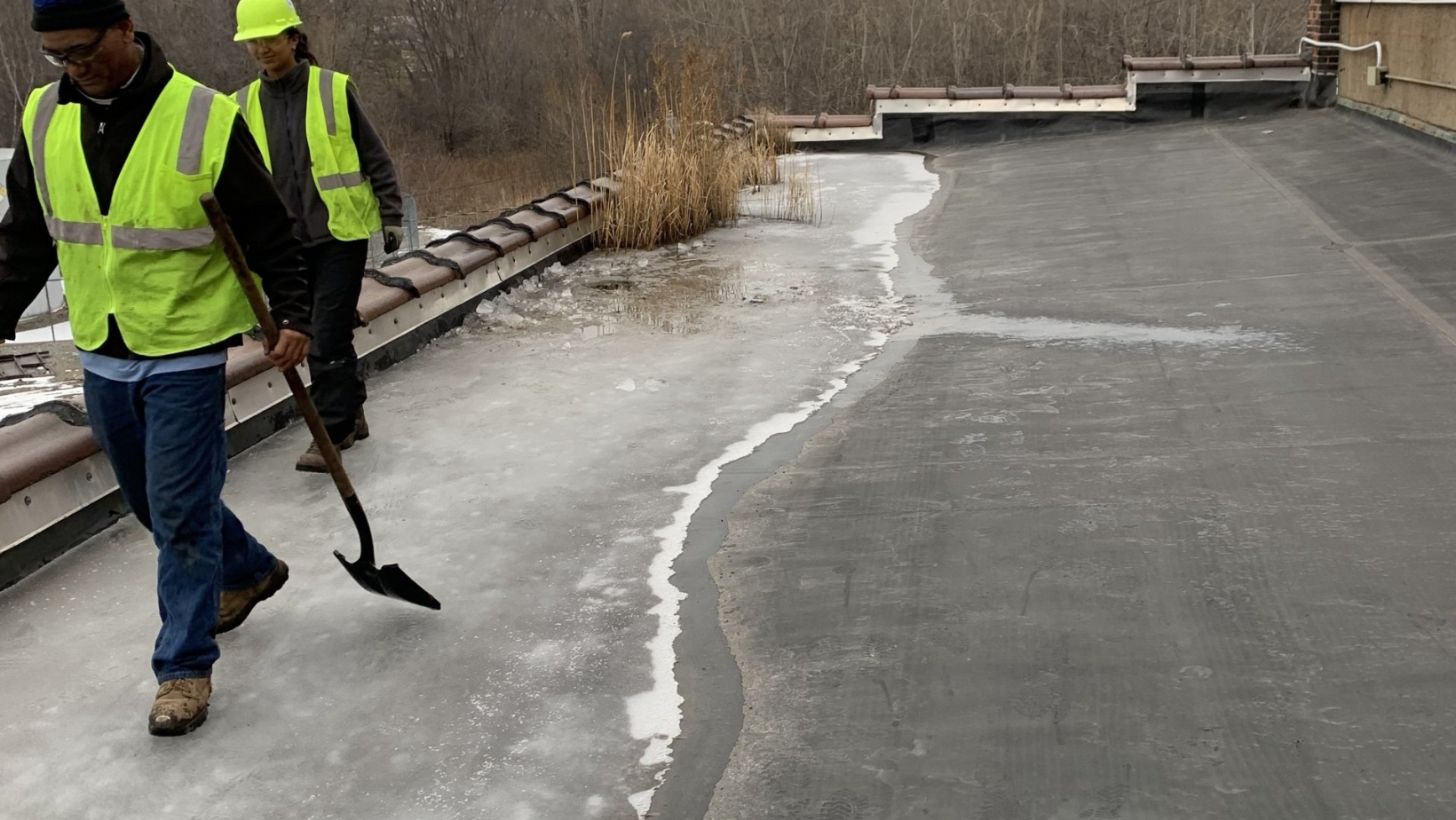
Some business owners think that flat roofs are designed to hold water, making drainage systems unnecessary. However, flat roofs still require proper drainage to prevent standing water, which can lead to leaks, structural stress, and material deterioration. A well-maintained drainage system is critical for the health of any flat roof.
Myth 4: Patching Is Just As Effective as a Full Repair
While patching may seem like a quick fix for a damaged roof, it’s often a temporary solution that doesn’t address underlying problems. Improperly patched roofs can allow water to seep into the building, causing hidden damage that worsens over time. Professional repairs ensure that all issues are fully resolved, not just covered up.
Myth 5: All Roofing Materials Are The Same
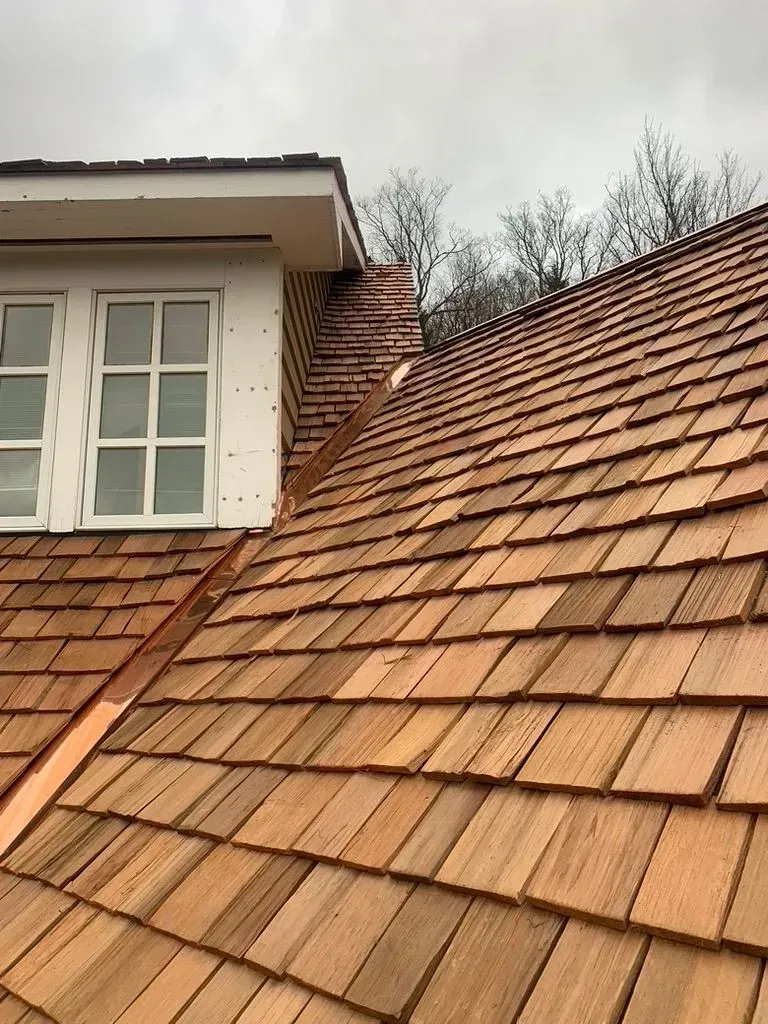
Assuming that all commercial roofing materials offer the same durability and performance is another misconception. The truth is, roofing materials vary widely in terms of lifespan, energy efficiency, and maintenance requirements. Consulting with a professional roofing contractor can help you choose materials that suit your building’s needs and climate.
The Bottom Line
Believing in these common myths can put your commercial roof—and your business—at risk. Regular inspections, professional repairs, and proactive maintenance are key to ensuring your roof stays in top condition. If you’re unsure about the best approach for your roof, contact us to set the record straight and safeguard your investment.